What Are The Causes Of Bacterial Vaginosis (BV)?
Written by Aditi Mallick

Aditi, a dynamic individual with a background in Chemistry, initially embarked on her professional journey as an Associate Content Developer at Byju's. Transitioning from an academic content reviewer to a creative force in the content creation team, she demonstrated prowess in crafting SEO-driven academic content, impactful presentations, and video reviews. Seeking new challenges, Aditi redirected her career towards professional content and copywriting, joining MyCaptain. Along this transformative path, she mastered design skills using software like Photoshop and Illustrator, creating visually striking posts for various brands and websites. Today, Aditi stands as a seasoned Medical writer, seamlessly transitioning from her roots as an academic writer. Join her on this exciting journey as she shares insights and expertise in content creation and medical writing.
•
July 30, 2026
Our experts continually monitor the health and wellness space, and we update our articles when new information becomes available.
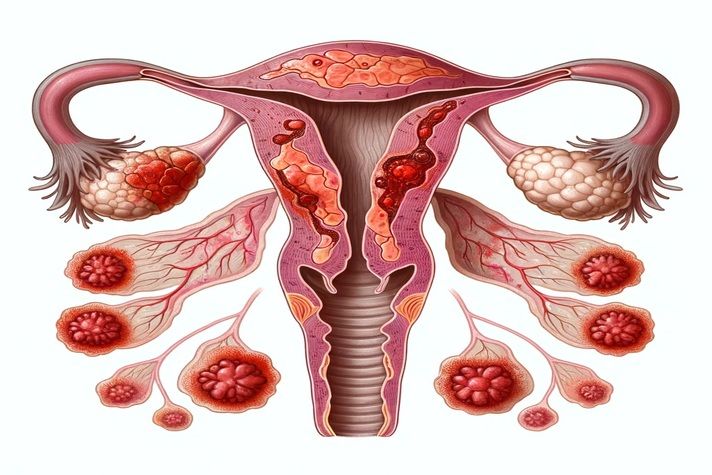
Bacterial Vaginosis (BV) is a common vaginal infection caused by an imbalance of bacteria in the vagina. It is essential to understand the various factors that contribute to the development of BV to effectively manage and prevent it.
Primary Causes Of BV
- Bacterial Imbalance:

It's important to note that while these factors can contribute to BV, not every individual will develop BV due to these reasons. Each person's vaginal microbiota is unique, and multiple factors can interact to influence BV development. Understanding these causes can help individuals take preventive measures and seek appropriate treatment if needed.

Disclaimer
The following blog article provides general information and insights on various topics. However, it is important to note that the information presented is not intended as professional advice in any specific field or area. The content of this blog is for general educational and informational purposes only. The content should not be interpreted as endorsement, recommendation, or guarantee of any product, service, or information mentioned. Readers are solely responsible for the decisions and actions they take based on the information provided in this blog. It is essential to exercise individual judgment, critical thinking, and personal responsibility when applying or implementing any information or suggestions discussed in the blog.
Most Asked Questions
What causes Bacterial Vaginosis (BV)?
Bacterial Vaginosis is primarily caused by an imbalance in the vaginal microbiota. Normally, the vagina contains a balance of different bacteria, including beneficial lactobacilli. When there's an overgrowth of harmful bacteria such as Gardnerella vaginalis, it can lead to BV.
What factors contribute to the development of BV?
Several factors can increase the risk of developing BV. These include having multiple sexual partners or a new sexual partner, douching, using certain types of soaps or hygiene products that disrupt the vaginal pH, smoking, and hormonal changes such as those during menstruation or pregnancy.
Is BV a sexually transmitted infection (STI)?
While BV is not classified as a traditional sexually transmitted infection (STI), it is associated with sexual activity. The presence of BV-associated bacteria can increase after sexual intercourse, especially with a new partner or multiple partners. However, BV can also occur in women who are not sexually active.
Can BV be caused by poor hygiene?
Poor hygiene alone is not a direct cause of BV. However, certain hygiene practices like douching or using harsh soaps in the vaginal area can disrupt the natural balance of bacteria and contribute to BV development. It's important to maintain good genital hygiene without using products that can disturb the vaginal flora.
Are there any medical conditions that can increase the risk of BV?
Certain medical conditions or treatments that affect the immune system or hormone levels can increase the risk of BV. These may include diabetes, HIV/AIDS, use of corticosteroids or antibiotics, and undergoing procedures such as hysterectomy or intrauterine device (IUD) insertion. Maintaining overall health and discussing any concerns with a healthcare provider is important for managing BV risk factors.