Treatment and Support For Sexual Trauma and Disorders
Written by Anoush Gomes

Anoush Gomes is a seasoned Content Writer with over 10 years of experience, specializing in various writing styles such as medical content, creative writing, storytelling, and research papers. Anoush embarked on a unique journey, starting with pre-medical studies at the Dante Aligheri Academy and the University of Miami, where she earned a Bachelor's degree with a major in Biology and a minor in Psychology.Having pursued medical school and completed clinicals, Anoush transitioned to the world of medical content writing, where her passion for both healthcare and writing converged. Her writing skills encompass persuasive, narrative, expository, and descriptive styles, making complex medical concepts accessible to diverse audiences.Beyond her professional endeavors, Anoush is a multi-faceted individual with a rich tapestry of interests. A writer, artist, poet, avid reader, certified nerd, and hopeful author, she finds inspiration in the intersection of creativity and science.Whether crafting engaging medical narratives or weaving captivating stories, Anoush combines her diverse background and writing expertise to deliver compelling content that resonates with diverse audiences.
•
June 7, 2024
Our experts continually monitor the health and wellness space, and we update our articles when new information becomes available.
Trigger Warning: This post discusses sexual trauma and violence. Trauma and sexual disorders can have profound and lasting impacts on an individual's physical, emotional, and psychological well-being. These experiences can leave scars that extend far beyond the initial event or condition, affecting relationships, self-esteem, and overall quality of life. However, it's important to remember that healing is possible, and there are various treatment and support options available. In this blog post, we'll explore the different approaches to addressing sexual trauma and disorders, emphasising the importance of a compassionate, evidence-based, and holistic approach to recovery.
Treating Sexual Trauma
Sexual trauma encompasses a wide range of experiences, including sexual assault, rape, child sexual abuse, and sexual harassment. The path to healing is unique for each survivor, but there are several effective treatment modalities that can facilitate the recovery process.
- Trauma-Focused Psychotherapy:
- Cognitive-Behavioral Therapy (CBT): This approach helps survivors identify and challenge negative thought patterns, develop coping strategies, and process traumatic memories.
- Eye Movement Desensitization and Reprocessing (EMDR): This integrative therapy involves bilateral stimulation (eye movements, taps, or tones) while processing traumatic memories, helping to desensitize the emotional response.
- Prolonged Exposure Therapy: This evidence-based treatment involves gradually exposing the survivor to trauma-related thoughts, feelings, and situations in a safe and controlled environment, leading to a reduction in fear and anxiety.
- Support Groups and Peer Support: Connecting with others who have had similar experiences can be incredibly powerful in the healing process. Support groups provide a safe space for survivors to share their stories, validate their emotions, and learn from one another's journeys.
- Medication: In some cases, medication may be prescribed to manage symptoms associated with sexual trauma, such as depression, anxiety, or post-traumatic stress disorder (PTSD). However, it's important to note that medication should be used in conjunction with psychotherapy for optimal results.
- Mind-Body Therapies: Approaches that integrate the mind and body can be beneficial for survivors of sexual trauma. These may include yoga, mindfulness meditation, and other relaxation techniques that promote self-awareness, stress reduction, and emotional regulation.
- Advocacy and Legal Support: Sexual assault survivors may benefit from working with advocates and legal professionals who can guide them through the process of reporting the crime, navigating the criminal justice system, and accessing resources and support services.

Treating Sexual Disorders
Sexual disorders, such as arousal issues, orgasmic disorders, and sexual pain disorders, can have a significant impact on an individual's quality of life and intimate relationships. Fortunately, there are various treatment options available to address these conditions.
- Psychotherapy and Counselling:
- Sex Therapy: This specialized form of therapy focuses on addressing sexual concerns, improving communication and intimacy, and developing healthy sexual attitudes and behaviors.
- Couples Therapy: For those in committed relationships, couples therapy can help address interpersonal and relational factors contributing to sexual disorders.
- Cognitive-Behavioral Therapy (CBT): CBT can help individuals identify and challenge negative thought patterns and beliefs related to sexuality, as well as develop coping strategies for managing anxiety and performance concerns.
- Medication: In some cases, medication may be prescribed to address underlying physiological factors contributing to sexual disorders. For example, phosphodiesterase-5 inhibitors (e.g., Viagra) are commonly used to treat erectile dysfunction.
- Medical Interventions: Depending on the specific disorder and underlying cause, medical interventions such as hormone therapy, pelvic floor therapy, or surgery may be recommended.
- Lifestyle Changes: Adopting a healthier lifestyle can also contribute to improved sexual function. This may include regular exercise, stress management techniques, maintaining a balanced diet, and addressing any underlying medical conditions that may be contributing to the sexual disorder.
- Education and Resources: Access to accurate and comprehensive information about sexuality, sexual function, and sexual disorders can empower individuals to better understand their experiences and seek appropriate treatment and support.
Building a Comprehensive Support System
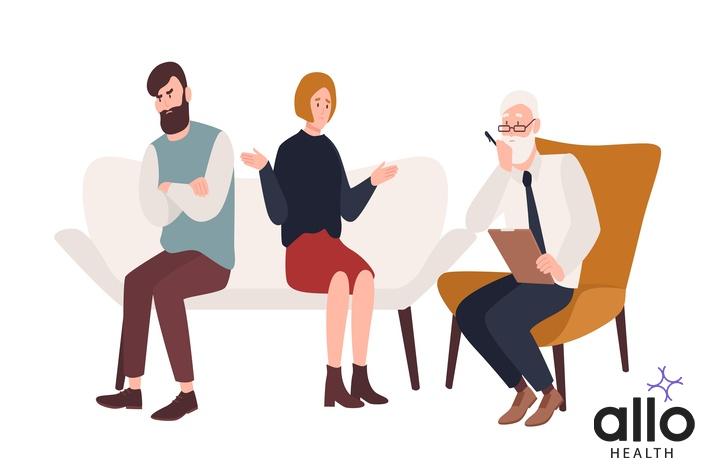
- Mental Health Professionals: Therapists, counselors, and psychologists with expertise in trauma and sexual health can provide essential psychological and emotional support.
- Medical Professionals: Physicians, nurse practitioners, and other healthcare providers can address any physical or medical aspects of sexual trauma or disorders, as well as provide referrals and coordinate care.
- Support Groups and Peer Networks: Connecting with others who have had similar experiences can offer invaluable validation, understanding, and a sense of community.
- Family and Friends: A strong and compassionate support system of loved ones can play a crucial role in the healing process, providing encouragement, emotional support, and practical assistance.
- Community Resources: Organizations, hotlines, and advocacy groups dedicated to supporting survivors of sexual trauma and individuals with sexual disorders can offer valuable resources, education, and referrals.
Embracing a Holistic Approach
It's important to remember that healing from sexual trauma and disorders is a journey, and there is no "one-size-fits-all" solution. A holistic approach that addresses the physical, emotional, psychological, and social aspects of these experiences is often most effective. By combining evidence-based treatments with self-care practices, supportive relationships, and a compassionate understanding of the unique challenges faced, individuals can find their path to recovery and reclaim a sense of empowerment and fulfillment in their lives. Remember, seeking help and support for sexual trauma and disorders is a courageous act, and there is no shame in prioritizing one's physical, emotional, and sexual health. With the right resources and a compassionate support system, healing and recovery are possible.

Disclaimer
The following blog article provides general information and insights on various topics. However, it is important to note that the information presented is not intended as professional advice in any specific field or area. The content of this blog is for general educational and informational purposes only. The content should not be interpreted as endorsement, recommendation, or guarantee of any product, service, or information mentioned. Readers are solely responsible for the decisions and actions they take based on the information provided in this blog. It is essential to exercise individual judgment, critical thinking, and personal responsibility when applying or implementing any information or suggestions discussed in the blog.
Most Asked Questions
How long does it take to recover from sexual trauma or a sexual disorder?
The timeline for recovery is highly individualized and can vary greatly depending on the specific circumstances, severity of the trauma or disorder, and the individual's response to treatment. It's important to be patient and avoid putting pressure on oneself to heal within a certain timeframe.
Can couples therapy help if only one partner is experiencing a sexual disorder?
Yes, couples therapy can be beneficial even if only one partner is experiencing a sexual disorder. The therapist can help address communication, intimacy, and relational factors that may be contributing to or exacerbating the disorder.
Is it possible to experience both sexual trauma and a sexual disorder simultaneously?
Absolutely. Sexual trauma can increase the risk of developing sexual disorders, and the two experiences can interact and compound each other's effects. In such cases, a comprehensive treatment approach addressing both the trauma and the disorder is recommended.
Will seeking treatment for sexual trauma or a sexual disorder be kept confidential?
Yes, reputable mental health professionals and healthcare providers are bound by ethical and legal standards to maintain confidentiality regarding their clients' or patients' personal information and treatment details.
Can complementary or alternative therapies be effective in treating sexual trauma or disorders?
While conventional therapies and medical interventions are typically the first line of treatment, some individuals may find complementary or alternative therapies, such as acupuncture, herbal remedies, or energy healing, to be beneficial as adjunctive approaches when used under the guidance of qualified practitioners.