Opposite Gender Friendships While in a Relationship
Written by Dr. Sana Khan

Dr. Sana Khan is a dentist and medical content writer with a degree from Maharashtra University of Health Sciences. With a solid background in clinical research and medical communications, she excels at turning complex health topics into clear, accessible content. Her writing is rooted in accuracy and empathy—especially when covering sensitive health issues—making her a trusted voice in patient education and health awareness.
•
July 30, 2026
Our experts continually monitor the health and wellness space, and we update our articles when new information becomes available.
Quick Read
Opposite-gender friendships aren’t a threat by default. The real challenges arise when secrecy, lack of communication, or emotional distance are present. When couples are transparent, set healthy boundaries, and address jealousy with honesty and care, these friendships can not only exist—but thrive alongside romantic relationships.
Imagine this: your partner gets a text from their best friend—someone of the opposite gender—late at night. They smile while replying, then casually mention they're planning to catch up soon. You feel a little uncomfortable but brush it off. Still, the question lingers: Is this normal? Should I be worried? You're not alone. Opposite-gender friendships often raise eyebrows in romantic relationships. But the issue isn't as black and white as "right" or "wrong." The real key lies in boundaries, communication, and trust. Let’s unpack it all.

Why Opposite Gender Friendships Raise Questions
Opposite-gender friendships are often layered with social and emotional complexity. Here's why they spark concern:
- Cultural Conditioning: Many of us were raised to believe that men and women can't be "just friends".[1] [2]
- Romantic Tropes: Movies often depict close friendships eventually turning romantic, reinforcing this idea.[3]
- Emotional Intimacy: When deep emotional sharing happens outside your relationship, it can feel threatening.[4]
These factors make people question the real nature of their partner's opposite-gender friendships—even when nothing inappropriate is happening.
Are These Friendships Healthy or Harmful?
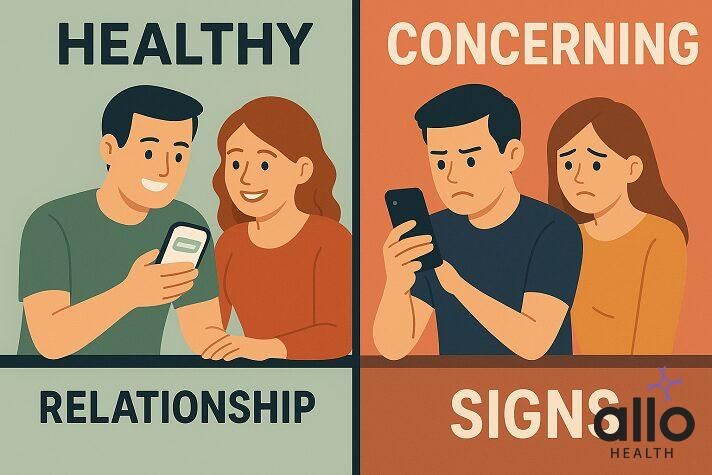
Signs of a Healthy Friendship
- Open conversations about friendship with your partner.[5]
- No secrecy or hiding messages[6]
- No past romantic history (or clear closure if there was)[7] [8]
- Time spent together doesn't interfere with your relationship[5]
Red Signs to Watch For
- Your partner becomes defensive when you ask about the friend[8]
- They hide texts or downplay the relationship[5]
- They go to their friend for emotional support more than you[5]
- You feel emotionally disconnected while their bond deepens[5]
It’s not the gender that causes problems, but the dynamics!
How to Set Healthy Boundaries
Clear boundaries protect both your relationship and friendships. Here are some practical ones:
- Transparency: Let your partner know who your close friends are and what the nature of the friendship is.[8] [9]
- No Secrets: Avoid private late-night chats, deleting messages, or emotional venting your partner is unaware of[6]
- Inclusion: Include your partner in group outings or occasional hangouts with friends.
- Time Limits: If you're spending more time with your friend than your partner, reassess[5]
Boundaries don’t restrict freedom—they build trust!
How to Talk About It With Your Partner
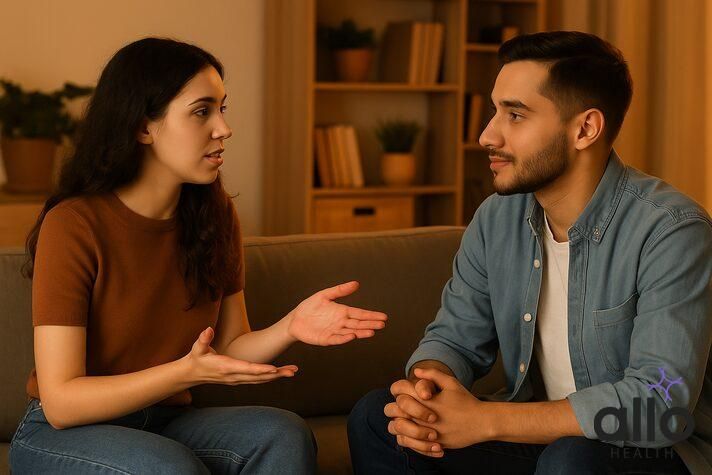
If something feels off or you just want clarity, try having an open conversation:
- Use "I" statements: "I feel uncomfortable when I see late-night messages because I’m unsure what’s being shared".[10]
- Avoid blaming: Instead of "You’re too close to her," say "I’m feeling a bit left out and want us to feel more connected".[10]
- Be specific: Identify what behaviors concern you, not just the gender of the friend.[10]
Being honest doesn’t mean being harsh. The goal is mutual understanding!
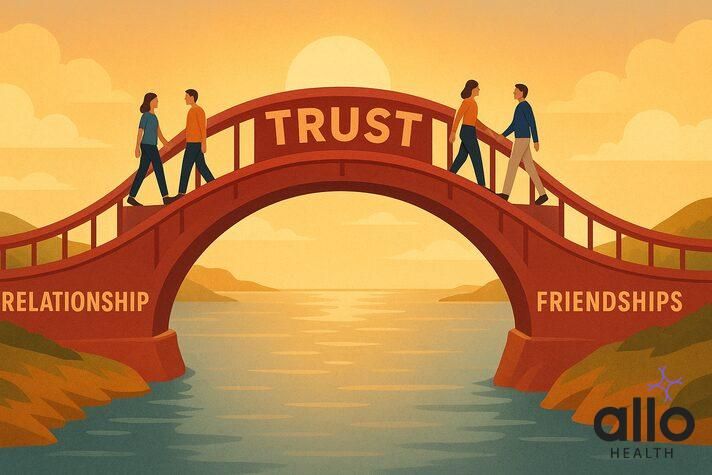
Jealousy isn’t a flaw—it’s a feeling. What matters is what you do with it. If you use it as a cue to communicate rather than accuse, it can actually bring you and your partner closer.
Jealousy Isn’t the Enemy—It’s a Signal
Jealousy is natural. It doesn’t mean you’re controlling or insecure. It means you value your relationship and fear losing emotional closeness.[11] Here’s how you can manage it securely:

"Opposite-gender friendships can absolutely coexist with romantic relationships—as long as there is emotional clarity, communication, and respect. Trust isn’t just about what you do; it’s about how open you are with your partner." Remember: Friendships don’t threaten relationships—secrecy and emotional distance do. Trust and mutual respect keep both bonds strong.

Disclaimer
The following blog article provides general information and insights on various topics. However, it is important to note that the information presented is not intended as professional advice in any specific field or area. The content of this blog is for general educational and informational purposes only. The content should not be interpreted as endorsement, recommendation, or guarantee of any product, service, or information mentioned. Readers are solely responsible for the decisions and actions they take based on the information provided in this blog. It is essential to exercise individual judgment, critical thinking, and personal responsibility when applying or implementing any information or suggestions discussed in the blog.
Most Asked Questions
Is it okay to have opposite-gender friends while in a relationship?
Yes, as long as there are healthy boundaries and open communication.
Can a girl hug a male friend?
It's ok to hug a friend of the opposite sex. A hug just means you like them and feel close to them.
Should I be worried if my partner has a close opposite-gender friend?
Not automatically. Watch for secrecy or emotional distancing instead of focusing solely on gender.
How do I bring this up without sounding controlling?
Use calm, honest language focused on your feelings and needs.
Can opposite-gender friendships become romantic?
They can—but healthy self-awareness, honesty, and respect can prevent it.
What if my partner gets defensive about their friend?
That could be a sign of hidden dynamics. Ask gentle, open-ended questions to explore further.
Should I meet my partner’s opposite-gender friend?
Yes, it can build trust and help you feel more included in that part of their life.
Is it wrong to feel jealous of my partner’s friend?
No, jealousy is a valid emotion. Use it as a cue to reflect and communicate.
Sources
- 1.
Cross-gender friendship: The troublesome relationship - Friends Beyond Borders Book
- 2.
Gender and Friendship Norms Among Older Adults - Loyola Marymount University
- 3.
Can We Move On: From the Trope of Friends Who End Up Together Because Men and Women Can Never Be ‘Just Friends’ - The Swaddle
- 4.
Boundaries with the Opposite Sex - She Leads Daily
- 5.
Friendships Outside Committed Relationships - Utah State University
- 6.
Opposite-Sex Friendship: Sex Differences and Similarities in Initiation, Selection, and Dissolution - University of Texas
- 7.
Friends with Benefits: The Evolved Psychology of Same- and Opposite-Sex Friendship - Sage Journals
- 8.
Moderators of Sexual Interest in Opposite-sex Friends - Sage Journals
- 9.
Creating Healthy Boundaries With Friends - Luther College
- 10.
The Role of Communication in Managing Toxic Jealousy - Hope Therapy
- 11.
Jealousy and Relationship Closeness: Exploring the Good (Reactive) and Bad (Suspicious) Sides of Romantic Jealousy - Sage Journals
Why Should You Trust Us?
Why Should You Trust Us?
This article was written by Dr. Sana Khan, who has more than 1 years of experience in the healthcare industry.
Allo has the expertise of over 50+ doctors who have treated more than 1.5 lakh patients both online and offline across 30+ clinics.
Our mission is to provide reliable, accurate, and practical health information to help you make informed decisions.
For This Article
- We reviewed over 15 top-ranking articles and academic resources on opposite-gender friendships in relationships to ensure this guide is thorough and up-to-date.
- We referenced credible studies from peer-reviewed journals and trusted sources to ground our advice in real research.
- We explored discussions on platforms like Reddit and Quora to understand the real concerns, insecurities, and experiences couples face around opposite-gender friendships.
- We reviewed communication research and boundary-setting frameworks to provide actionable advice rooted in psychology and relationship science.
- We spoke with a small group of individuals who shared personal stories about navigating opposite-gender friendships while in committed relationships, helping us shape this article to address real-life challenges.