Signs You Are Not Valued in a Relationship
Written by Dr. Sana Khan

Dr. Sana Khan is a dentist and medical content writer with a degree from Maharashtra University of Health Sciences. With a solid background in clinical research and medical communications, she excels at turning complex health topics into clear, accessible content. Her writing is rooted in accuracy and empathy—especially when covering sensitive health issues—making her a trusted voice in patient education and health awareness.
•
July 30, 2026
Our experts continually monitor the health and wellness space, and we update our articles when new information becomes available.
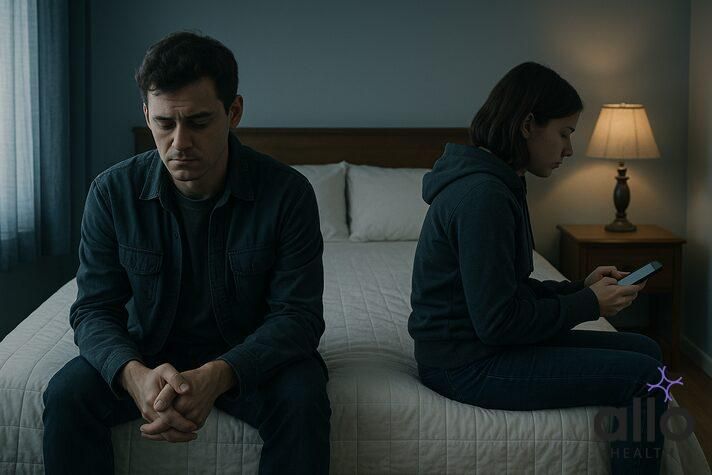
Quick Read
You deserve to feel seen, heard and appreciated—if you’re constantly doing all the work, feeling dismissed, insecure or drained after time together, it’s a clear sign your partner isn’t valuing you. When quality time, emotional support and basic respect are one-sided, your self-esteem and safety can suffer. Trust your instincts: talk openly about how you feel, set firm boundaries and consider professional support if things don’t improve. Above all, remember you deserve kindness and reciprocity—never settle for a relationship that leaves you feeling unimportant.
Feeling unimportant or overlooked in a relationship can be deeply painful. Everyone deserves to feel seen, heard, and appreciated—especially by someone they care about. But sometimes, small everyday moments can quietly reveal that your emotional needs aren’t being met. This article outlines common emotional, behavioral, and psychological indicators that suggest your partner may not be truly valuing you—along with helpful guidance on what you can do about it.
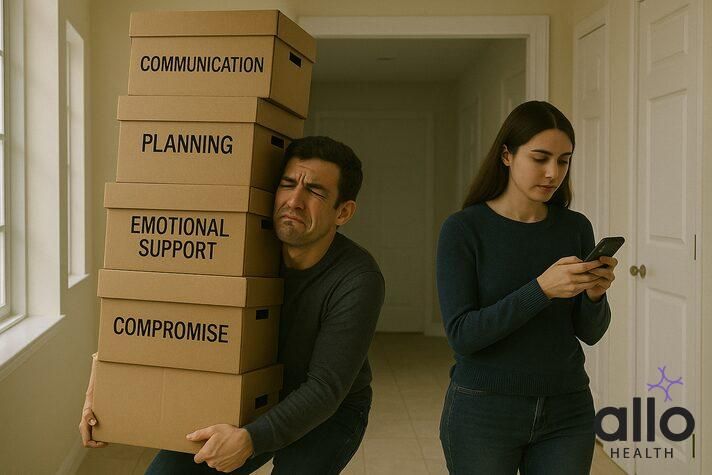
- You’re always the one making an effort
Do you often find yourself planning the dates, sending the texts, listening or supporting them during tough times or fixing things after arguments? Relationships should be a two-way street. If you’re doing all the emotional and practical work, it’s a sign something’s off. Why this matters: Consistent lack of acknowledgment can erode your self-esteem and emotional safety over time.[1]
- You're the Only One Compromising
In a healthy relationship, both people’s needs matter. But if you’re always the one adjusting your schedule, values, or needs to make things work, or maybe your partner constantly makes decisions without asking you, or only cares about what they want, it’s a sign of imbalance.[2]
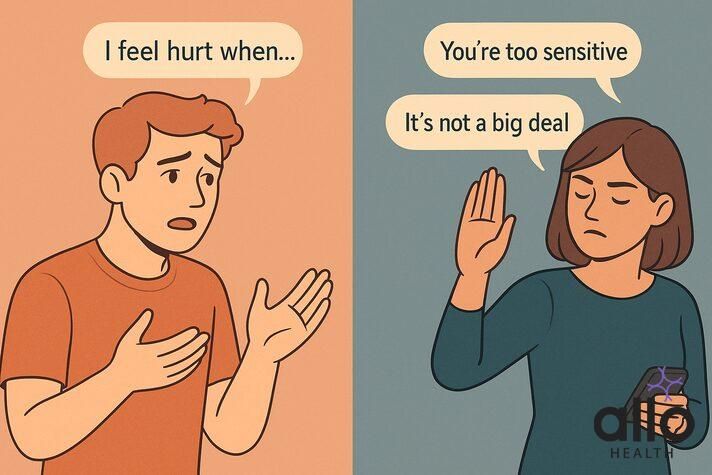
- They Dismiss Your Feelings
Do you often hear things like “you’re overreacting” or “you’re too sensitive” when expressing concerns? Emotional invalidation can make you feel unseen and disrespected. Emotional validation is a basic need in any healthy relationship—without it, it becomes hard to feel safe or connected.[3]
- You Don’t Feel Prioritized
Everyone gets busy—but if your partner never has time for you, avoids quality time, or always chooses work, friends, or their phone over you, it can feel like you don’t matter.[4]
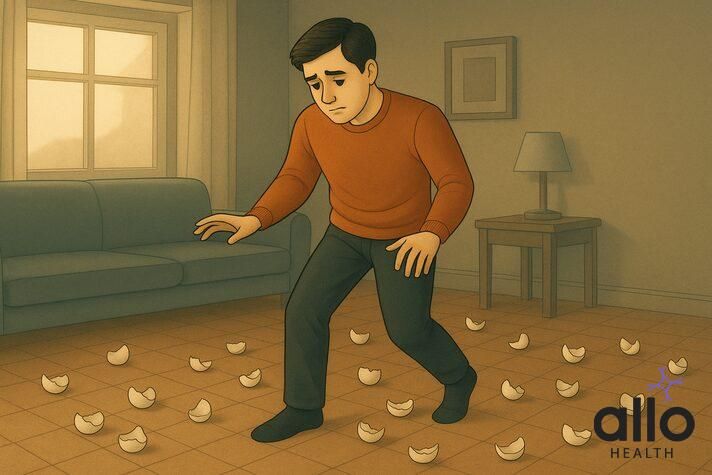
- You Walk on Eggshells Around Them
Are you constantly second-guessing your words or actions to avoid triggering them? This is a sign of emotional imbalance and possibly deeper power dynamics at play. A relationship should be a space where you feel free, not fearful.[5]
- They Don't Support Your Goals
Does your partner get excited about your wins—or respond with silence or sarcasm? If they downplay your goals, mock your interests, or make you feel like your dreams don’t matter, it’s a serious sign of a lack of support.[6]

- They Avoid Difficult Conversations
Stonewalling—shutting down during serious discussions—is a known predictor of relationship dissatisfaction. If your partner avoids talking about problems or brushes things under the rug, it can leave you emotionally stranded.[7]
- They Make You Feel Insecure
This could include flirting with others, making comparisons, or constantly criticizing you in subtle ways. If you feel like you’re not "enough," it may be because they’re not making you feel emotionally secure.[8]
“Over time, not feeling valued can chip away at your self-esteem. You may start to question your worth, not just in the relationship but in other parts of your life too. That’s why emotional validation is so important.”
- They don’t show appreciation
Whether it’s cooking dinner or supporting them through tough times—if your efforts go unnoticed or unappreciated, it can leave you feeling invisible.[9]
- You Feel Drained After Every Interaction
Your body and mind often know before your heart accepts it. If you regularly feel anxious, unworthy, or unloved in the relationship, trust that feeling—it’s trying to tell you something. Relationships should uplift you, not exhaust you.[10]

- You're Always the One Trying to Fix Things
If you’re the one initiating conversations, apologizing, or trying to resolve issues every time—while they remain passive or indifferent—that’s not a healthy dynamic.[11]
- They interrupt or talk over you
Respecting each other in conversation is a basic form of care. If you’re often interrupted, talked over, or not allowed to share your thoughts, it can feel like your voice doesn’t count.[12]
- You feel like you’re “too much”
If your partner makes you feel guilty for needing attention, affection, or even basic respect, it’s not about you—it’s about their lack of empathy.[13]
- They don’t show up for you in hard times
When things go wrong—whether it’s a bad day, illness, or family issue—you should be able to lean on your partner. If they avoid helping or act like your problems are a burden, it shows a lack of emotional support.[14]
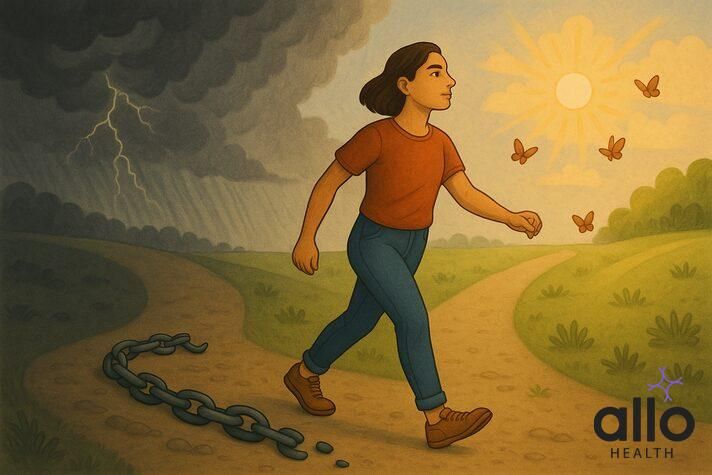
What You Can Do If You Feel Unvalued
If many of these signs feel familiar, you’re not alone. It’s okay to feel hurt or confused. Consider these steps:
- Talk openly: Share how you feel with your partner. Sometimes people don’t realize the impact of their actions.[15]
- Set boundaries: Let them know what kind of treatment is not okay with you.[16]
- Seek help: A therapist or counselor can help you sort through your feelings and choices.[17]
- Choose yourself: You deserve love, respect, and kindness—never settle for less. If they’re unwilling to change or grow, you may need to walk away for your own mental health.[18]

Disclaimer
The following blog article provides general information and insights on various topics. However, it is important to note that the information presented is not intended as professional advice in any specific field or area. The content of this blog is for general educational and informational purposes only. The content should not be interpreted as endorsement, recommendation, or guarantee of any product, service, or information mentioned. Readers are solely responsible for the decisions and actions they take based on the information provided in this blog. It is essential to exercise individual judgment, critical thinking, and personal responsibility when applying or implementing any information or suggestions discussed in the blog.
Most Asked Questions
Can a relationship be fixed if I don’t feel valued?
In some cases, yes. Open communication, mutual effort, and possibly couples therapy can help. But both partners need to be willing to grow.
How can I talk to my partner about feeling unimportant?
Use calm, clear language like, “I’ve been feeling unseen lately, and I’d like us to talk about it.” Focus on how you feel rather than blaming them.
Can a relationship survive if one partner feels undervalued?
It depends. If both partners are willing to work on it, change is possible. But without effort, the hurt can grow.
Is feeling unvalued a reason to break up?
Yes—especially if you’ve expressed your needs and nothing changes. Everyone deserves to feel respected and emotionally safe in a relationship.
Why does my partner not appreciate me?
Sometimes, people take partners for granted due to complacency, emotional immaturity, or unresolved personal issues. That’s not your fault, and you deserve better.
Sources
- 1.
Maintenance Strategies and Romantic Relationship Type, Gender and Relational Characteristics - Journal of Social and Personal Relationships
- 2.
Relationship Guides - The Gottman Institute
- 3.
VALIDATION AND PSYCHOTHERAPY - MARSHA M. LINEHAN
- 4.
My life has become a major distraction from my cell phone: Partner phubbing and relationship satisfaction among romantic partners - Computers in Human Behavior
- 5.
What Does a Healthy Relationship Look Like? - New York State
- 6.
A Secure Base: Responsive Support of Goal Strivings and Exploration in Adult Intimate Relationships - Journal of Personality and Social Psychology
- 7.
The Four Horsemen: Stonewalling - The Gottman Institute
- 8.
Optimizing assurance: The risk regulation system in relationships - Psychological Bulletin
- 9.
It's the little things: Everyday gratitude as a booster shot for romantic relationships - Personal Relationships
- 10.
Marital processes predictive of later dissolution: Behavior, physiology, and health - Journal of Personality and Social Psychology
- 11.
Demand-withdraw, Couple Satisfaction and Relationship Duration - Procedia - Social and Behavioral Sciences
- 12.
Conversational Dominance as a Function of Gender and Expertise - Language - Social Psychological Perspectives
- 13.
Attachment Theory in Practice - Emotionally Focused Therapy (EFT) with Individuals, Couples, and Families - The Practice of Emotionally Focused Couple Therapy
- 14.
The Relation Between Inequity and Emotions in Close Relationships - Social Psychology Quarterly
- 15.
Relationships and communication - Better Health Channel
- 16.
Boundaries Updated and Expanded Edition: When to Say Yes, How to Say No To Take Control of Your Life
- 17.
10 Principles for Doing Effective Couples Therapy - Journal of Couple & Relationship Therapy
- 18.
The Feeling Self: Self-Esteem - Principles of Social Psychology – 1st International H5P Edition
Why Should You Trust Us?
Why Should You Trust Us?
This article was written by Dr. Sana Khan, who has more than 1 years of experience in the healthcare industry.
Allo has the expertise of over 50+ doctors who have treated more than 1.5 lakh patients both online and offline across 30+ clinics.
Our mission is to provide reliable, accurate, and practical health information to help you make informed decisions.
For This Article
- We reviewed over 25 top-ranking articles on this topic to ensure our content reflects the most relevant and widely recognized relationship red flags.
- We referenced peer-reviewed studies and psychological research from trusted sources like the American Psychological Association, The Gottman Institute, and reputable academic journals.
- We analyzed over a dozen published research papers exploring emotional neglect, power imbalance, and communication patterns in romantic relationships.
- We explored forums like Reddit and Quora to understand real-life concerns people have about feeling unvalued or emotionally unsupported by their partners.