Lidocaine for ED: Can It Help with Sensitivity or Hurt Performance?
Written by Dr. Deepali Anand

Dr. Deepali is a medical writer and healthcare professional with a background in clinical surgery and patient care. Having transitioned from active clinical practice to medical communications, she specializes in bridging the gap between complex clinical data and patient education. Dr. Deepali is dedicated to creating evidence-based content that is grounded in scientific rigor and empathy, ensuring that sensitive topics like sexual wellness and mental health are accessible and empowering for every reader.
•
July 30, 2026
Our experts continually monitor the health and wellness space, and we update our articles when new information becomes available.
Quick Read
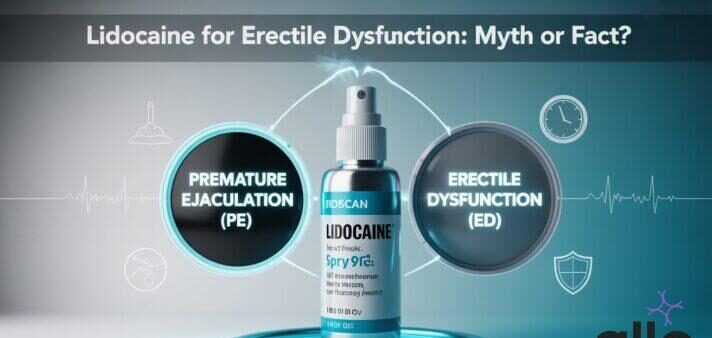
Lidocaine is a numbing agent mainly used to manage premature ejaculation by reducing penile sensitivity and helping men last longer, but it is not a treatment for erectile dysfunction. In fact, using lidocaine for ED can sometimes worsen erections by dulling arousal. It also carries risks like irritation, numbness, rare toxicity, and even discomfort for a partner if transferred during sex. In cases where both premature ejaculation and ED coexist, lidocaine may be combined with ED medications such as sildenafil or tadalafil under a doctor’s supervision, but it should never be used as a quick self-treatment. For erectile dysfunction itself, the best approach is to identify the root cause with a medical professional and explore safe, evidence-based treatments.
Lidocaine for erectile dysfunction is a topic that often sparks curiosity, mostly because lidocaine is widely used for premature ejaculation, and people wonder if it can also help with ED. The truth is, lidocaine is a numbing agent that reduces penile sensitivity - useful for delaying ejaculation, but not for improving erections.
In this article, we’ll clear up the confusion by explaining what lidocaine is really used for, why it’s mistaken as an ED treatment, the risks and side effects you should know about.
What is Lidocaine and What is the Use of Lidocaine for Penis?
Lidocaine is a local anesthetic, commonly used in the form of sprays, creams, or gels. You might have experienced it at the dentist’s clinic before a treatment, where it helps numb the gums. It works by blocking nerve signals in the area where it’s applied, creating a temporary feeling of numbness.
When it comes to sexual health, the use of lidocaine for the penis is mainly in treating premature ejaculation — it’s often marketed as part of delay sprays for ED. By reducing penile sensitivity, lidocaine increases something called intravaginal ejaculatory latency time (IELT),[1] which is just a medical way of saying it helps men last longer during penetrative sex.
But here’s where the confusion begins: many people wonder if lidocaine can also help with erectile dysfunction (ED). Let’s clear this up.


Why Do People Consider Lidocaine for Erectile Dysfunction?
The idea of using lidocaine for erectile dysfunction often comes from confusion between premature ejaculation and ED — the same confusion drives hype around products like 1 मिनट में खड़ा करने वाली क्रीम. Both conditions can overlap and sometimes occur together, but they are not the same.
Some over-the-counter products are marketed vaguely, which blurs the line between lidocaine sprays for PE and topical gels advertised for ED. However, it’s important to understand:
Unfortunately, internet myths, incomplete knowledge about ingredients, and curiosity for quick fixes mislead many into thinking that applying lidocaine cream on the penis can treat ED.

Using lidocaine sprays or creams for ED can sometimes backfire. By numbing the penis, they may actually make it harder to maintain an erection.

Allo asks
Have you ever used lidocaine to help with better erections?
Does Lidocaine Actually Help Erectile Dysfunction?
The answer is clear: No, lidocaine does not treat erectile dysfunction. In fact, using lidocaine spray for ED may actually make things worse. By dulling penile sensation, lidocaine can reduce sexual pleasure and interfere with achieving or maintaining an erection.
For men who struggle with both premature ejaculation and erectile dysfunction, using lidocaine for PE without addressing ED can backfire, as the numbing effect may worsen erection quality.
According to Allo Health, 1 out of 2 patients who visited us were dealing with erectile dysfunction, about 1 in 50 had premature ejaculation, and 1 in 10 experienced both together, which is based on our internal clinical data of more than 2.5 lakh patients who come to our clinic.
Risks and Side Effects of Lidocaine
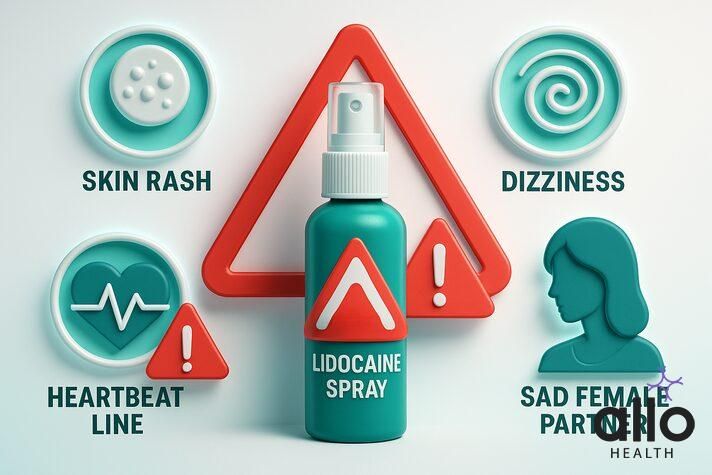
Using lidocaine on the penis is not without risks — similar caution applies to other topical options like erectile dysfunction gels. Let’s break it down:
Local Side Effects of Lidocaine
- Irritation or tingling at the site of application
- Temporary numbness
- Mild burning sensation
- Allergic reactions
Serious Risks of Lidocaine
- Methemoglobinemia, which is a rare but dangerous condition affecting oxygen transport
- Toxicity with symptoms like tremors, dizziness, or abnormal heart rhythms
- In extreme cases, it can cause seizures or cardiovascular collapse
Side Effects of Lidocaine on the Partner
- Burning or discomfort in the vagina/genital area
- Reduced sensation during intercourse
- Headaches in rare cases
Who Should Not Use Lidocaine
Avoid lidocaine if:
- You or your partner have a known lidocaine allergy
- Your partner is pregnant
- You have broken or inflamed skin in the application area
- You have severe liver or kidney problems
When Lidocaine May Have a Role in Helping with Erectile Dysfunction
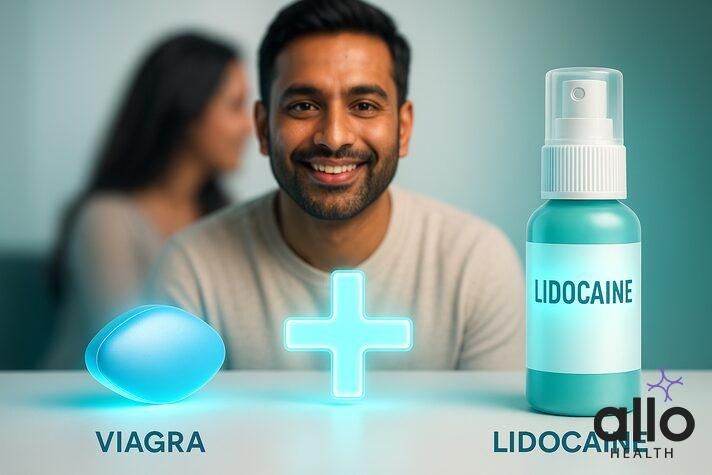
On its own, lidocaine is not a treatment for ED. Its role is limited to managing premature ejaculation. But, it may be used in combination therapy when PE and ED coexist.
Tadalafil with Lidocaine
A clinical study[2] found that using tadalafil (a PDE5 inhibitor) along with lidocaine increased IELT (lasting time) to 5.6±1.7 minutes compared to 3.7±1.3 minutes with lidocaine alone.
Sildenafil with Lidocaine
Another study[3] showed that combining sildenafil (Viagra) with topical lidocaine cream was more effective than sildenafil alone for men with both ED and premature ejaculation.
If you have both erectile dysfunction and premature ejaculation, addressing ED (often linked to blood flow or performance anxiety) may also improve PE. Combination use of lidocaine with oral ED medications should only be done under medical supervision.
How to Use Lidocaine Cream on Penis Safely
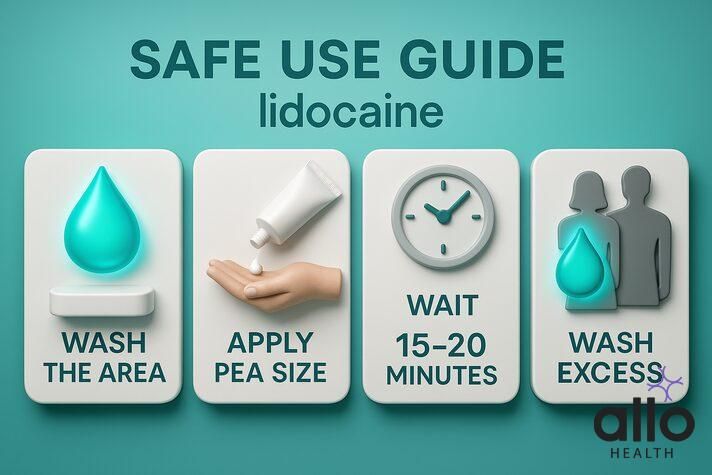
If prescribed for premature ejaculation, here’s how to use lidocaine spray/cream properly:
- Clean the area thoroughly before application.
- Apply a pea-sized amount to the glans and frenulum.
- Massage gently for even distribution.
- Wait 15-20 minutes for absorption.
- Wash thoroughly before sex to avoid transfer to partner.
- For sprays like Fortacin, use a maximum of 3 sprays per dose.
- Do not exceed 3 doses in 24 hours, leaving at least 4 hours between applications.

Safe and Effective Alternatives for ED
If you’re dealing with erectile dysfunction, there are safer and more effective options than lidocaine:
- Medications (Viagra, Cialis): These improve blood flow and help achieve firm erections.
- Lifestyle changes: Regular exercise, a balanced diet, quitting smoking, limiting alcohol, and stress management can significantly improve sexual health.
- Therapy and counseling: If ED is linked to anxiety, depression, or relationship stress, psychological support or couples therapy can be very effective.
- Advanced treatments: In more complex cases, doctors may recommend vacuum erection devices, PRP (platelet-rich plasma) therapy, or even penile implants.
The right treatment depends on the cause, so the best step is to consult a doctor for a personalized plan — and natural adjuncts like Ashwagandha for ED can be discussed during that visit.
Bottom Line
Lidocaine does not treat erectile dysfunction. Its real role is in managing premature ejaculation. In some cases where both PE and ED coexist, doctors may recommend combination therapy with ED medications. For men with erectile dysfunction, using lidocaine without guidance may actually worsen erections. So, instead of chasing quick internet fixes, it’s best to consult a doctor who can identify the root cause of your ED and recommend safe, effective treatments.

Disclaimer
The following blog article provides general information and insights on various topics. However, it is important to note that the information presented is not intended as professional advice in any specific field or area. The content of this blog is for general educational and informational purposes only. The content should not be interpreted as endorsement, recommendation, or guarantee of any product, service, or information mentioned. Readers are solely responsible for the decisions and actions they take based on the information provided in this blog. It is essential to exercise individual judgment, critical thinking, and personal responsibility when applying or implementing any information or suggestions discussed in the blog.
Most Asked Questions
Is lidocaine used for erectile dysfunction?
No. Lidocaine does not treat erectile dysfunction. It works by numbing the skin and reducing sensitivity, which helps with premature ejaculation, not with achieving or maintaining erections.
Can I use lidocaine on private parts?
Yes, but only when prescribed and usually for premature ejaculation. It should be applied in small amounts and washed off before sex to prevent partner transfer. Using it without guidance may cause irritation or worsen erection problems.
Does lidocaine spray help you get stronger erections?
No. Lidocaine spray cannot improve erection strength. In fact, because it reduces sensation, it may sometimes make it harder to stay aroused.
What are the risks of using lidocaine for sex?
Possible side effects include irritation, burning, temporary numbness, or allergic reactions. If transferred to a partner, it may cause discomfort or reduced pleasure. Serious complications are rare but possible with misuse.
When should I see a doctor instead of using lidocaine?
If you have ongoing erection problems or suspect an underlying health issue like diabetes, high blood pressure, or stress, it’s best to consult a doctor. They can identify the root cause of ED and suggest safer, proven treatments.
Sources
- 1.
Effectiveness and tolerability of lidocaine 5% spray in the treatment of lifelong premature ejaculation patients: a randomized single-blind placebo-controlled clinical trial
- 2.
A randomized single-center study to compare the efficacy and tolerability of Tadalafil
- 3.
Comparison of efficacy of sildenafil-only, sildenafil plus topical EMLA cream, and topical EMLA-cream-only in treatment of premature ejaculation