Dehydration and Erectile Dysfunction: Surprising Connection
Written by Dr. Deepali Anand

Dr. Deepali is a medical writer and healthcare professional with a background in clinical surgery and patient care. Having transitioned from active clinical practice to medical communications, she specializes in bridging the gap between complex clinical data and patient education. Dr. Deepali is dedicated to creating evidence-based content that is grounded in scientific rigor and empathy, ensuring that sensitive topics like sexual wellness and mental health are accessible and empowering for every reader.
•
July 30, 2026
Our experts continually monitor the health and wellness space, and we update our articles when new information becomes available.
Quick Read
Yes, dehydration can definitely cause erectile dysfunction by disrupting the key mechanisms your body needs for healthy erections - including reduced blood volume (even 2% water loss decreases blood flow efficiency by 15%), lower testosterone levels, and impaired nitric oxide production for blood vessel relaxation. The good news is that dehydration-related ED is usually temporary and resolves within 24-48 hours of proper rehydration, though chronic dehydration can cause longer-lasting issues. Simple steps like drinking 8-10 glasses of water daily, limiting alcohol and caffeine, eating water-rich foods (e.g., watermelon, cucumbers), and monitoring your urine color can help maintain proper hydration and support erectile health. However, since ED is often multifactorial involving physical conditions (e.g., diabetes, heart disease), psychological factors (e.g., stress, anxiety), and lifestyle habits, it's important to see a doctor if problems persist despite good hydration - especially if you have underlying health conditions or experience sudden, severe symptoms.
Does dehydration cause erectile dysfunction? Yes, being dehydrated can contribute to erectile dysfunction. Dehydration makes it harder to get or maintain an erection because your body needs proper hydration for healthy blood flow, hormone balance, and overall energy.
While dehydration on its own isn’t usually the main cause of erectile dysfunction, it can certainly make the problem worse or more noticeable.
In this article, we’ll break down how dehydration affects erections, the science behind it, common symptoms to watch for, and what you can do to stay hydrated and protect your sexual health.
Can Dehydration Cause Erectile Dysfunction?
Yes, dehydration can cause erectile dysfunction. It happens because dehydration disrupts the physiological pathways your body needs for healthy erections.
When you're dehydrated, your body experiences changes from reduced blood volume to hormonal imbalances, which directly and indirectly affect erectile function — similar to the cumulative vascular changes behind age and erectile dysfunction.

Research shows that proper hydration is essential for maintaining healthy erections. Even mild dehydration can contribute to temporary erectile dysfunction.
The Link Between Dehydration and Erectile Dysfunction
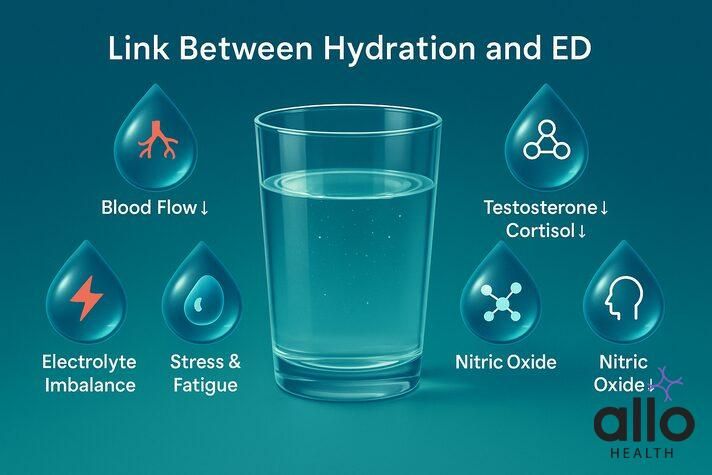
Getting an erection requires coordination between brain signals, hormones, and blood flow — a chain disrupted in conditions like arteriogenic erectile dysfunction. Dehydration interferes with all three mechanisms. Here's how:
Blood Circulation and Blood Volume
When dehydrated, your blood plasma volume decreases since 90% of plasma is water. This reduction makes it difficult for your cardiovascular system to pump adequate blood to the penis for an erection.

Studies[1] show that even 2% body water loss can reduce blood flow efficiency by 15%. Dehydration also impairs oxygen and nutrient transport to penile tissues, further affecting erectile function.
Hormonal Imbalance
Dehydration affects testosterone levels, which are crucial for sexual desire and erectile function. Research[2] indicates chronically dehydrated men have 10-15% lower testosterone levels than well-hydrated men.
Dehydration also increases cortisol (stress hormone), which suppresses testosterone and interferes with sexual arousal pathways.
It triggers angiotensin II release, causing blood vessel constriction and reducing blood flow throughout the body, including to the penis.
Additionally, dehydration reduces nitric oxide production - a chemical essential for blood vessel relaxation during erections.
Electrolyte Imbalance
Dehydration disrupts electrolyte balance (sodium, potassium, magnesium), which helps maintain fluid balance and healthy blood vessel function.
This imbalance constricts blood vessels, further limiting blood flow to erectile tissues.
Fatigue and Mood Changes
Dehydration causes fatigue, irritability, and anxiety. A 2011 study[3] found mild dehydration increased tension and anxiety in men.
These psychological effects reduce sexual desire and performance, contributing to ED — compounding physical causes like atherosclerosis and erectile dysfunction.
Dehydration alone rarely causes permanent erectile dysfunction. What it does is make it harder for your body to perform at its best. A few glasses of water won’t cure ED forever, but staying hydrated gives your body the foundation it needs for healthy sexual function.

Allo asks
Have you ever noticed erection issues when you were dehydrated?
Dehydration Symptoms That May Affect Sexual Health
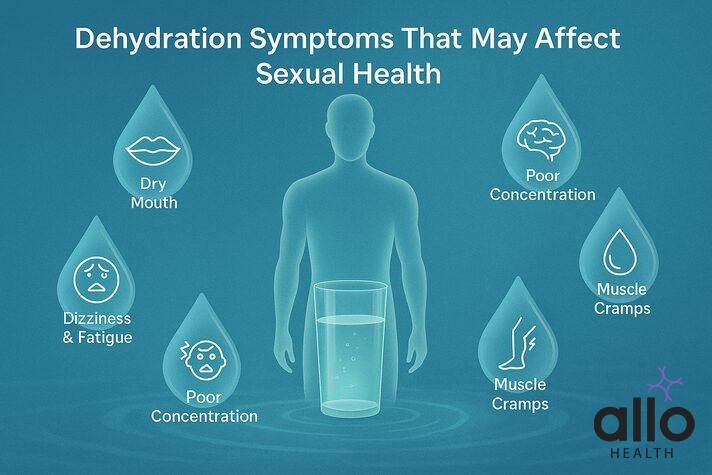
Common dehydration signs include:
- Dry mouth and tongue
- Dizziness, fatigue, and reduced stamina
- Confusion, disorientation, poor concentration
- Dark urine, reduced urination frequency
- Muscle cramps and general weakness
These symptoms can be subtle with mild dehydration, often mistaken for stress or fatigue.
Is Erectile Dysfunction from Dehydration Permanent?
For most men, dehydration-related ED is temporary and resolves within 24-48 hours of proper rehydration. However, chronic dehydration over months or years can cause persistent problems due to long-term blood vessel damage.
Who's Most at Risk:
- Men over 50 (reduced kidney function, medication effects)
- Athletes and outdoor workers
- Those taking diuretics, blood pressure medications
- People with diabetes or kidney conditions
When to See a Doctor
Seek medical help if you experience:
- Persistent ED despite good hydration and lifestyle habits
- Sudden, severe, or painful erection issues
- Other medical conditions like diabetes, heart disease, or high blood pressure
Can Drinking More Water Help ED: Tips to Prevent Dehydration-Related ED
Proper hydration supports blood circulation, mood, and energy. While water isn't a cure-all for erectile dysfunction, it helps when dehydration is a contributing factor.
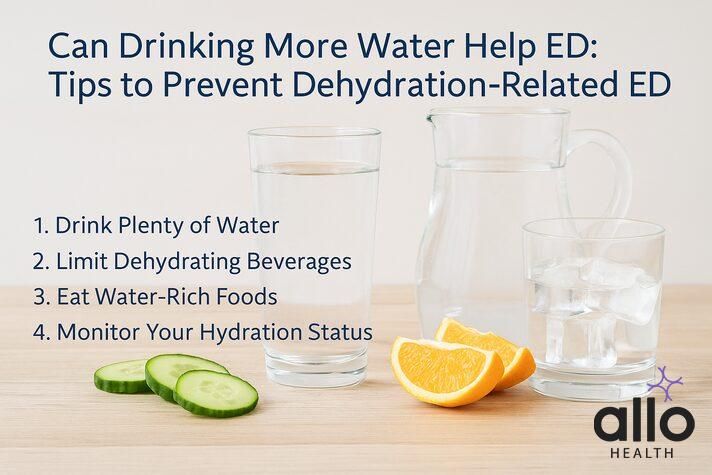
1. Drink Plenty of Water
- Aim for at least 8 to 10 glasses of water per day. Add in electrolytes, fresh cucumber to make it more refreshing.
- Aim for more water and fluid intake during physical exercise and in a hot climate.
- Mild dehydration symptoms typically improve within 2-4 hours of adequate fluid intake. For erectile function, allow 24-48 hours for full benefits.
2. Limit Dehydrating Beverages
Reduce excessive caffeine, alcohol, and sugary drinks. These can increase water loss through urination.
For every caffeinated or alcoholic drink, add an extra glass of water.
3. Eat Water-Rich Foods
Include hydrating foods like cucumbers, watermelon, oranges, and leafy greens. These provide hydration plus vitamins and minerals that support cardiovascular and hormonal health.
4. Monitor Your Hydration Status
- Clear, pale yellow urine color indicates good hydration, whereas dark yellow urine is a sign of dehydration.
- Watch out for other signs of dehydration, like dry mouth, mental fogginess, dizziness, etc.
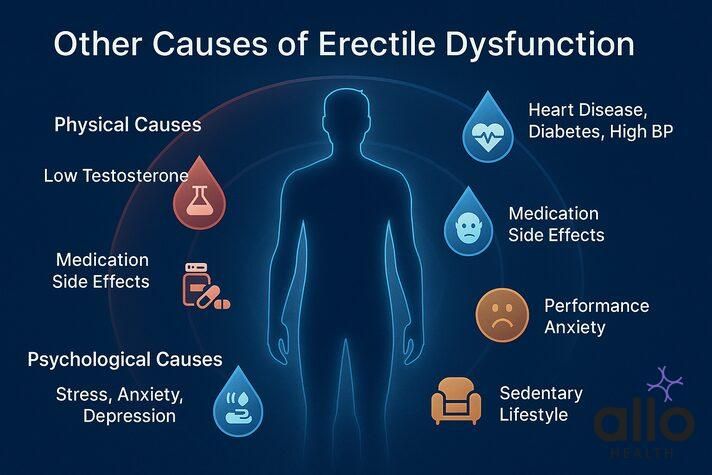
Other Causes of Erectile Dysfunction You Should Know About
Erectile dysfunction is usually multifactorial. While addressing dehydration helps, other causes include:
Physical Causes:
- High blood pressure, diabetes, and heart disease
- Metabolic syndrome, hormonal imbalances (low testosterone)
- Prostate cancer, venous leak
- Medication side effects (blood pressure drugs, antidepressants)
Psychological Causes
Chronic stress, anxiety, depression, and performance anxiety
Lifestyle Factors
- Sedentary lifestyle, obesity
- Excessive alcohol consumption
- Smoking and substance abuse
Key Takeaway
Maintaining proper hydration is a simple strategy for supporting erectile health. Dehydration can contribute to erectile dysfunction through multiple pathways, and addressing hydration is often a straightforward first step.
But erectile dysfunction is frequently multifactorial and sometimes signals underlying health conditions — behavioural factors like excessive sex and ED are just one piece of a larger picture. While optimizing hydration, don't hesitate to seek professional evaluation for proper diagnosis.
Your sexual health matters, and whether the solution involves better hydration levels or requires additional medical intervention, taking action is the important first step.

Disclaimer
The following blog article provides general information and insights on various topics. However, it is important to note that the information presented is not intended as professional advice in any specific field or area. The content of this blog is for general educational and informational purposes only. The content should not be interpreted as endorsement, recommendation, or guarantee of any product, service, or information mentioned. Readers are solely responsible for the decisions and actions they take based on the information provided in this blog. It is essential to exercise individual judgment, critical thinking, and personal responsibility when applying or implementing any information or suggestions discussed in the blog.
Most Asked Questions
Can drinking water help erectile dysfunction?
Drinking water won’t cure erectile dysfunction on its own, but it can help if dehydration is part of the problem. Proper hydration supports healthy blood flow, hormone balance, and energy levels — all of which are important for sexual function.
Can dehydration cause me not to get hard?
Yes, dehydration can make it harder to get or maintain an erection. When your body is low on fluids, blood volume drops, circulation weakens, and stress hormones rise. All of these can interfere with erections, though the effect is usually temporary.
How long does it take to recover from dehydration-related ED?
Most men notice improvement within 24–48 hours of rehydrating properly. Drinking water, replenishing electrolytes, and resting usually help restore normal sexual function if dehydration was the main issue.
What is the biggest cause of erectile dysfunction?
The most common causes are health conditions like diabetes, high blood pressure, and heart disease, along with psychological factors such as stress and anxiety. Lifestyle choices — smoking, alcohol, and lack of exercise — also play a big role. Dehydration is usually a smaller, contributing factor.
Will my erectile dysfunction go away if I stop drinking alcohol?
For some men, yes. Alcohol is dehydrating and also interferes with nerve signals and blood flow needed for erections. Cutting back or stopping alcohol can improve erectile function, especially when combined with healthy hydration and lifestyle changes.