Can Less Sex Cause Erectile Dysfunction? Myth vs. Fact
Written by Dr. Deepali Anand

Dr. Deepali is a medical writer and healthcare professional with a background in clinical surgery and patient care. Having transitioned from active clinical practice to medical communications, she specializes in bridging the gap between complex clinical data and patient education. Dr. Deepali is dedicated to creating evidence-based content that is grounded in scientific rigor and empathy, ensuring that sensitive topics like sexual wellness and mental health are accessible and empowering for every reader.
•
July 30, 2026
Our experts continually monitor the health and wellness space, and we update our articles when new information becomes available.

Quick Read
Yes, lack of sex can contribute to erectile dysfunction, though it's rarely the sole cause. Regular sexual activity helps maintain healthy blood flow, keeps penile tissues flexible, supports testosterone levels, and strengthens pelvic floor muscles, all essential for strong erections. While sexual inactivity can create a "use it or lose it" effect, the good news is that ED from lack of sex is usually reversible through medications, lifestyle changes, and resuming sexual activity. However, ED typically involves multiple factors, including cardiovascular health, hormones, stress, and underlying medical conditions, so it's important to consult a doctor if erection problems persist.
Can lack of sex cause ED? The short answer, yes, it can contribute to erectile dysfunction. While having less or no sex doesn’t automatically cause erectile dysfunction, studies show that sexual inactivity can influence the physical and psychological factors that support healthy erections.
When you go for long stretches without sexual stimulation, it can impact blood flow, hormones, arousal response, and even confidence, all key ingredients for a healthy erection.
In this article, we’ll break down what really happens when you have less sex, how it can contribute to erectile dysfunction, and what you can do to keep your erections strong and your sexual health on track.
Can Lack of Sex Cause Erectile Dysfunction?
Yes, a lack of sex can sometimes contribute to erectile dysfunction, but the relationship isn’t as simple as it might sound. Research[1] points to a kind of “use it or lose it” effect when it comes to sexual function.
This doesn't mean that not having sex will automatically cause erectile dysfunction, but rather that regular sexual activity helps keep the body and mind in sync when it comes to arousal and performance — a dynamic that becomes more fragile with age and erectile dysfunction.

In other words, going long periods without sexual activity may affect things like blood flow, arousal response, and sexual confidence, all of which play a vital role in erectile function.

Allo asks
What’s your biggest concern about sexual inactivity?
What Is the “Use It or Lose It” Principle?
Studies suggest that a lack of sex can contribute to ED, especially in men over 50, as the vascular mechanisms underlying arteriogenic erectile dysfunction rely on regular blood flow activity. Research[2] has found that men who have sex about once a week are half as likely to develop erectile dysfunction compared to those who have sex less often.
This protective effect of regular sexual activity works in both physical and psychological ways. That said, this doesn’t mean your penis “forgets” how to work or that the effects are permanent.

ED is a complex condition, and while inactivity may play a role, it’s often influenced by a combination of factors, including underlying medical issues, stress, anxiety, and hormonal changes.
Not having sex for a while doesn’t permanently damage your erections. But like any other part of the body, the sexual system stays healthier with regular activity, whether that’s intimacy with a partner or solo stimulation.
How Can Lack of Sex Cause ED?
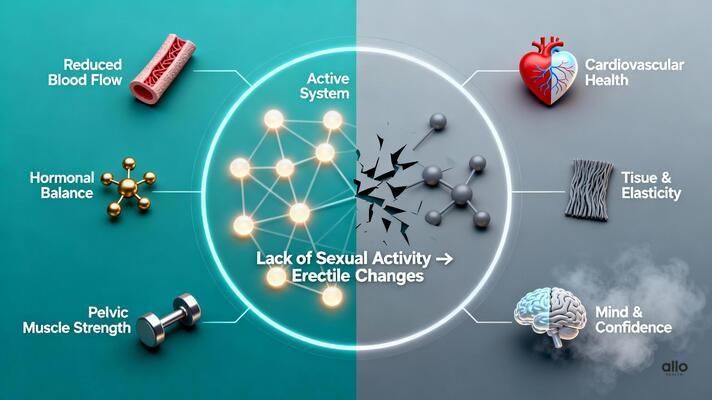
Here’s how reduced sexual activity may contribute to ED:
1. Reduced Blood Flow
Regular sexual activity promotes healthy blood flow to the penis, which is essential for erectile strength.
When sexual activity decreases, blood circulation in the penile tissues may also reduce, making it harder to achieve or maintain a firm erection.
Think of it as a gentle “reminder” that your body gets through regular arousal and erection; without it, those pathways can become less responsive over time.
2. Cardiovascular Health
Sex is a surprisingly good form of cardio[3]. It helps regulate blood pressure, strengthens the heart, and improves vascular health, all key to erections.
Emerging research[4] suggests that long periods of sexual abstinence may be linked to less stable blood pressure and poorer cardiovascular function.
Since the penis relies on strong blood flow, a weaker heart or sluggish circulation can contribute to ED.
3. Hormonal Disturbances
Studies[5] show that lack of sex and ED can be associated with lower testosterone levels, especially with long periods of sexual inactivity. While this drop is reversible, it can trigger a cycle that affects erections:
- Low sexual activity → reduces testosterone levels
- Low testosterone → impairs erectile function
- Weaker erections → lead to even less sexual activity
4. Changes in Penile Tissue
Going long periods without sexual activity can sometimes cause small changes in the penile tissues. Regular erections act like a light workout for the penis; they keep the tissues flexible, oxygenated, and responsive.
When this doesn’t happen often, a few things may occur[6]:
- Fibrosis development: When blood flow decreases, some of the soft muscle tissue in the penis can slowly turn into stiff, scar-like tissue, making it harder for the penis to expand fully during an erection.
- Reduced flexibility: Lack of oxygen supply from regular erections can make tissues less flexible and responsive.
- Weaker blood vessels: The intricate network of blood vessels that enables erections needs regular use to stay healthy.
5. Weakening of Pelvic Floor Muscles
The pelvic floor muscles are crucial for erection strength and control. Regular sexual activity, including arousal and orgasm, helps keep these muscles active and toned.
Strong pelvic muscles not only improve erectile firmness but also enhance sensation and control during sex. When sexual activity decreases, these muscles can weaken slightly, leading to reduced rigidity and endurance.
6. Psychological Factors
Sexual activity plays a powerful role in emotional well-being, confidence, and intimacy. When sexual activity declines for long periods, it can sometimes create a psychological loop that worsens ED:
- Performance anxiety: Worrying about “failing” during sex can itself cause erection problems.
- Reduced sexual confidence: Repeated difficulties may lead to avoidance of intimacy.
- Relationship strain: Less intimacy can reduce emotional closeness and desire, increasing stress and tension, both of which can make ED worse.
Is Erectile Dysfunction from Lack of Sex Reversible?
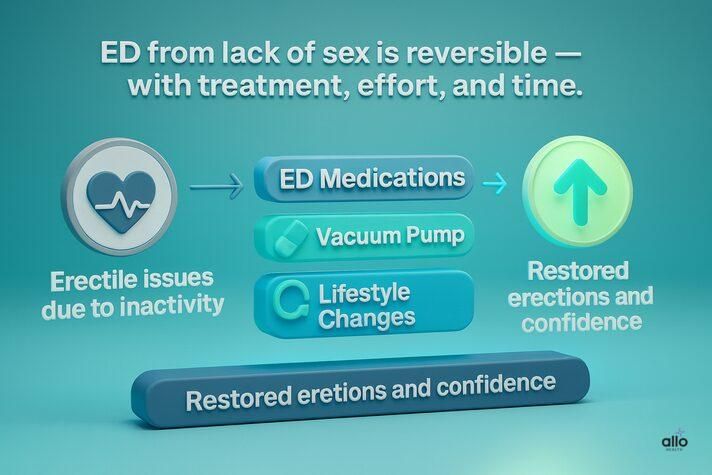
Yes, erectile dysfunction caused by lack of sex is usually reversible. Since the underlying issue is often related to reduced blood flow, hormonal balance, or confidence, restoring regular stimulation and healthy habits can make a big difference. Here are a few effective ways to improve erectile function:
1. ED Medications
Oral ED medications such as sildenafil (Viagra) or tadalafil (Cialis) are often the first-line treatments for ED prescribed by doctors.
These medicines work by improving blood flow to the penis, which helps maintain stronger erections and keeps the penile tissues healthy — addressing the same vascular deficits seen in atherosclerosis and erectile dysfunction.
2. Vacuum Erection Pumps
Vacuum pumps for ED create gentle suction that draws blood into the penis, helping it become and stay erect.
With regular use under medical guidance, they can also help improve blood circulation and support tissue health over time.
3. Lifestyle Modifications
- Exercise regularly: Physical activity improves blood flow, heart health, and hormone balance.
- Eat a balanced diet: Foods rich in fruits, vegetables, and healthy fats support better vascular and sexual health.
- Reduce stress, quit smoking, and get enough sleep: All of these directly impact erection quality and stamina.
In short, erectile dysfunction from lack of sex is not permanent. With the right mix of medical treatment, healthy living, and a little patience, most men can fully restore their erectile function and confidence.
Tips to Prevent Erectile Dysfunction Due to Lack of Sex
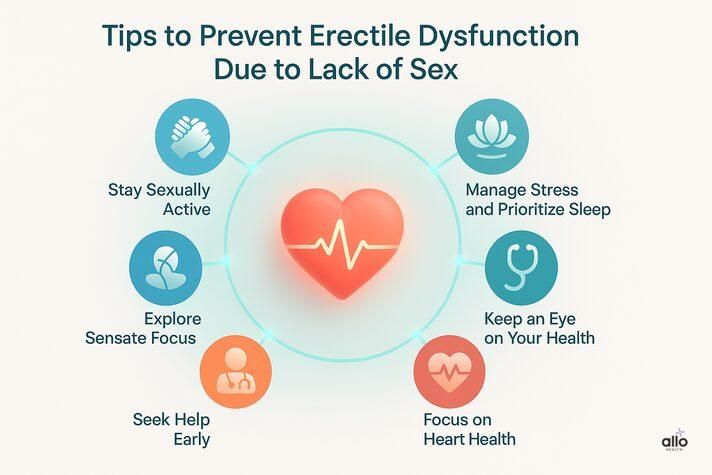
Even if you’re not sexually active all the time, there are several ways to protect your erectile health and prevent sexual inactivity from contributing to ED. Here’s what you can do:
1. Stay Sexually Active
Whenever possible, maintain some form of sexual activity, whether through intimacy with a partner or masturbation.
Regular sexual stimulation keeps blood flowing to the penis, supports tissue flexibility, and helps maintain healthy testosterone levels.
2. Explore Sensate Focus
Try Sensate Focus exercises, a simple technique used in sex therapy. It involves focusing on the sensations of touch and pleasure without worrying about performance or orgasm.
This approach helps rebuild intimacy, reduce pressure, and reestablish a healthy connection between mind and body.
3. Manage Stress and Prioritize Sleep
Chronic stress raises cortisol, a hormone that can interfere with erection signals. Practice deep breathing, meditation, or any relaxation technique that helps you unwind.
Good sleep is just as vital for erections; it balances hormones like testosterone, which directly affect libido and erectile strength.
4. Keep an Eye on Your Health
Conditions such as diabetes, high blood pressure, and obesity are major risk factors for erectile dysfunction.
Managing them through medication, routine check-ups, and lifestyle changes helps protect both your heart and your erections.
5. Seek Help Early
If you notice consistent difficulties with erections, don’t wait months to act. Early medical support can reverse problems before they become long-term.
6. Focus on Cardiovascular Health
Adopt heart-healthy habits like exercising regularly, eating nutrient-rich foods (leafy greens, berries, nuts, olive oil, fish), and avoiding smoking or excessive alcohol. Better circulation means better erections.
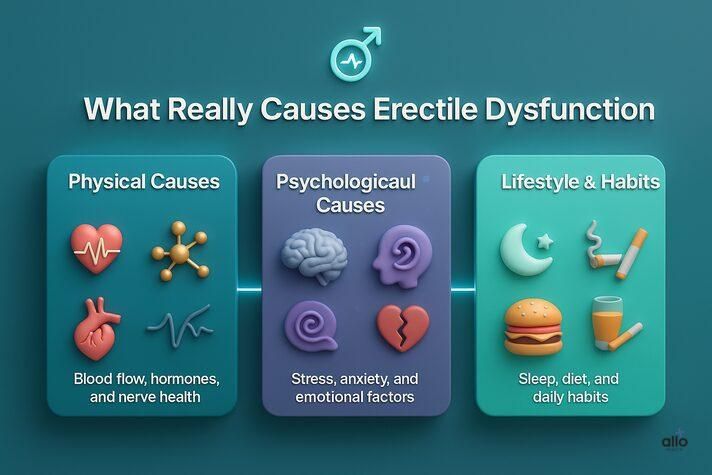
What Really Causes Erectile Dysfunction
Erectile dysfunction (ED) usually results from a mix of physical, psychological, and lifestyle factors that affect blood flow, hormones, and confidence.
Physical Causes
- Poor blood flow from diabetes, heart disease, or high blood pressure
- Hormonal imbalance, such as low testosterone
- Nerve damage from injuries, surgeries, or diabetes
Psychological Causes
- Stress or performance anxiety
- Depression and anxiety
- Relationship tension or long gaps in intimacy
Lifestyle & Habits
- Inactive lifestyle
- Poor sleep and diet
- Smoking and heavy alcohol use
When to See a Doctor for Erectile Dysfunction
While a lack of sex can affect erections, it’s important to remember that erectile dysfunction is a much more complex condition — tadalafil for erectile dysfunction is one proven treatment worth discussing with your doctor. Seeing a doctor helps identify what’s the cause of your ED and ensures you get a personalized treatment plan that actually works for you.
See a doctor if:
- ED persists for more than a few weeks
- You experience fatigue, low libido, or poor sleep alongside erection problems
- You have underlying or preexisting medical conditions like diabetes, hypertension, or heart disease
- Erectile problems are affecting your mental health or confidence
Key Takeaway
Can lack of sex cause ED? Yes, evidence shows it can contribute to erectile dysfunction. However, it’s rarely the only cause. ED is influenced by many factors, including physical health, hormones, and emotional well-being.
If you’re facing ongoing erection issues, consult a healthcare professional to identify the cause and find a personalized treatment plan that helps you regain confidence and healthy sexual function.

Disclaimer
The following blog article provides general information and insights on various topics. However, it is important to note that the information presented is not intended as professional advice in any specific field or area. The content of this blog is for general educational and informational purposes only. The content should not be interpreted as endorsement, recommendation, or guarantee of any product, service, or information mentioned. Readers are solely responsible for the decisions and actions they take based on the information provided in this blog. It is essential to exercise individual judgment, critical thinking, and personal responsibility when applying or implementing any information or suggestions discussed in the blog.
Most Asked Questions
Can you develop ED from not having sex?
Not directly, but long periods of sexual inactivity can influence the physical and mental factors that support erections. Reduced blood flow, lower testosterone, and performance anxiety can make erections harder to achieve, though these effects are usually temporary and reversible.
Does lack of sex affect testosterone levels?
Yes, sexual inactivity can slightly lower testosterone over time. The good news is this drop isn’t permanent. Regular sexual activity, exercise, and good sleep can help bring testosterone levels and libido back to normal.
Does having more sex help with ED?
To some extent, yes. Regular sexual activity helps keep blood vessels, hormones, and erectile tissues active like exercise for your sexual health. However, if ED is caused by underlying medical issues (like diabetes or heart disease), simply having more sex won’t fix it. Medical evaluation is key.
What is the root cause of erectile dysfunction?
ED can result from physical causes (like poor blood flow, low testosterone, or nerve damage), psychological factors (like stress or performance anxiety), or lifestyle habits (like smoking, alcohol, or inactivity). Often, it’s a mix of all three.
Can ED from lack of sex be reversed?
Yes, ED linked to sexual inactivity is usually reversible. Treatments like ED medications, vacuum pumps, stress management, and healthy lifestyle changes can all help restore strong erections and confidence over time.
Sources
- 1.
The Health Benefits of Sexual Expression
- 2.
Regular intercourse protects against erectile dysfunction: Tampere Aging Male Urologic Study
- 3.
Sexual and Cardiovascular health.Factors Influencing on the Quality of Sexual Life of Coronary Heart Disease Patients - a Narrative Review
- 4.
The association of sexual frequency with cardiovascular diseases incidence and all-cause mortality
- 5.
Lack of sexual activity from erectile dysfunction is associated with a reversible reduction in serum testosterone
- 6.
Testosterone deficiency causes penile fibrosis and organic erectile dysfunction in aging men. Evaluating association among Age, TDS and ED