Erectile Dysfunction and Age: How Aging Affects Sexual Performance
Written by Dr. Deepali Anand

Dr. Deepali is a medical writer and healthcare professional with a background in clinical surgery and patient care. Having transitioned from active clinical practice to medical communications, she specializes in bridging the gap between complex clinical data and patient education. Dr. Deepali is dedicated to creating evidence-based content that is grounded in scientific rigor and empathy, ensuring that sensitive topics like sexual wellness and mental health are accessible and empowering for every reader.
•
July 30, 2026
Our experts continually monitor the health and wellness space, and we update our articles when new information becomes available.
Quick Read
Worried that age and impotence go hand in hand? Erectile dysfunction does become more common with age, but aging itself isn't the sole cause. The condition often results from a combination of blood vessel changes, nerve decline, hormonal shifts, and chronic illnesses like diabetes or hypertension. Lifestyle habits and certain medications also play a major role. The good news? Age-related ED is often treatable and, in many cases, preventable through personalized care, healthy living, and open communication with your doctor.
Wondering if the connection between age and impotence is real? You’re not alone. Erectile dysfunction does become more common with age, but it’s not inevitable, and it’s often treatable. Many readers ask when does erectile dysfunction usually start or what the average age for ED is, but the answer depends on overall health, lifestyle, and age-related changes in the body. In many cases, age-related erection issues are linked to changes in blood flow, hormones, nerve function, or lifestyle habits, rather than age itself.
This article explains how aging affects erectile function across each decade, why ED becomes more common over time, and most importantly, what you can do to treat or even prevent it with the right approach.

Allo asks
Do you believe ED is natural with aging?
Age Erectile Dysfunction: Is it Normal?
Erectile dysfunction is often seen as an “old age problem". But at what age does erectile dysfunction start?
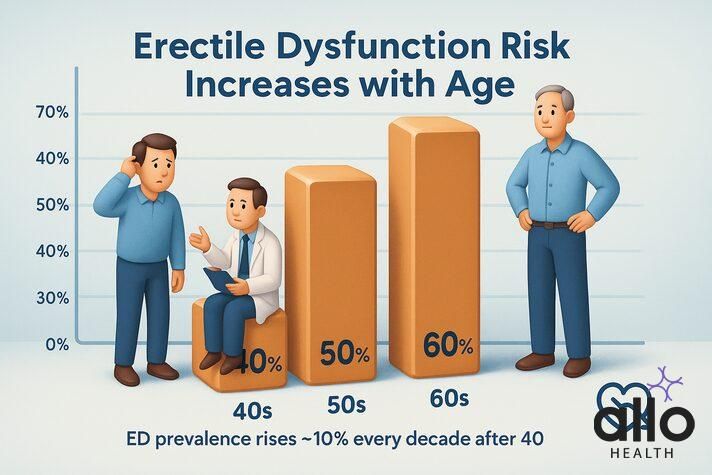
According to the Massachusetts Male Aging Study[1], about 40% of men in their 40s experience some form of ED — with vascular causes like arteriogenic erectile dysfunction accounting for a significant share. This number rises by about 10% with each decade. Around 50% of men in their 50s and 60% of men in their 60s report erection problems.

While studies do show a clear age-related increase in ED, they also highlight something equally important: there’s no specific “erectile dysfunction age.”Yes, aging can be a contributing factor, but it’s not the sole cause. Just because you’ve entered a certain age group doesn't mean ED is inevitable.
According to Allo Health, every 1 in 2 patients has ED, which is based on our internal clinical data of more than 2.5 Lakh patients who come to our clinic — conditions like atherosclerosis and erectile dysfunction being among the most common culprits.
The Indian Context: Why ED Can Start Earlier for Some Men
Erectile dysfunction becomes more common with age around the world. However, many Indian men notice erection problems earlier than expected. This does not mean aging works differently in Indian bodies. Instead, certain lifestyle and health factors common in India can speed up changes that affect erections.
1. Long Sitting Hours and Low Physical Activity
Many Indian men spend long hours sitting at work with little daily movement. Sitting for most of the day reduces blood circulation, including blood flow to the pelvic area. Over time, this can weaken erection strength and stamina.

2. Early Diabetes and Heart-Related Conditions
Indian men are more likely to develop diabetes, high blood pressure, and cholesterol problems at a younger age. Studies in the Indian Journal of Endocrinology and Metabolism show that diabetes and metabolic problems increase the risk of erectile dysfunction by harming blood vessels, nerves, and hormone balance[2].
3. Ongoing Stress and Poor Sleep
Long workdays, late nights, and irregular sleep are common. These habits raise cortisol, a stress hormone. High cortisol lowers testosterone levels and weakens the signals between the brain and the penis that are needed for an erection.
4. Vitamin D Deficiency
Even though India gets plenty of sunlight, vitamin D deficiency is common. Low vitamin D levels are linked to poor blood vessel health and hormone imbalance, both of which can worsen erectile function.
5. Diet and Traditional Beliefs
Drumsticks (moringa), garlic, onions, and pomegranate are commonly talked about as foods that support overall strength. While these foods support overall health, they do not cure erectile dysfunction. Ongoing or worsening ED still needs proper medical care.
Why Impotence Happens More With Age
Why does age erectile dysfunction happen or at what age do you start getting erectile dysfunction? It is because the body undergoes many age-related changes. These body changes, along with age-related health issues, make erection problems more common in older men. Let's understand this.
1. Vascular Function and Blood Vessel Changes
Endothelial Dysfunction
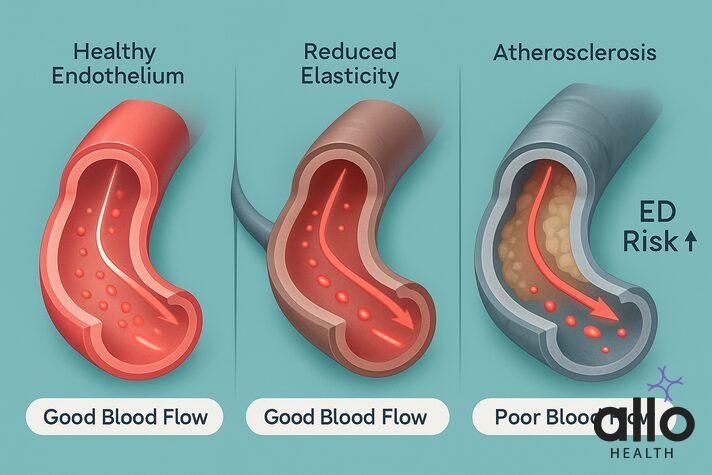
The endothelium is the inner lining of blood vessels. It helps regulate blood flow by releasing nitric oxide, a chemical that allows blood vessels to relax during sexual arousal.
With age, the endothelium becomes less responsive. This reduces nitric oxide production, making it harder for blood vessels to relax when needed[2]. As a result, blood flow to the penis may be slower or weaker, affecting erection quality as blood flow is essential for erections.
Reduced Blood Vessel Elasticity
In younger individuals, arteries expand and contract easily to meet changes in blood circulation demand. Over time, blood vessels lose this flexibility and become stiffer.[3]
Even without a major blockage, stiff arteries cannot adjust quickly enough to increased blood flow needs during arousal. This reduced elasticity can limit blood flow and make erections less firm or harder to maintain.
Atherosclerosis (Hardening of the Arteries)
Atherosclerosis occurs when plaque builds up inside blood vessels. Plaque consists of cholesterol, calcium, and other substances that narrow arteries over time.
As penile blood vessels are small, even mild narrowing can significantly reduce blood flow. This makes it more difficult to achieve or sustain an erection and often explains why erectile dysfunction can appear before other heart symptoms.
2. Smooth Muscle Loss
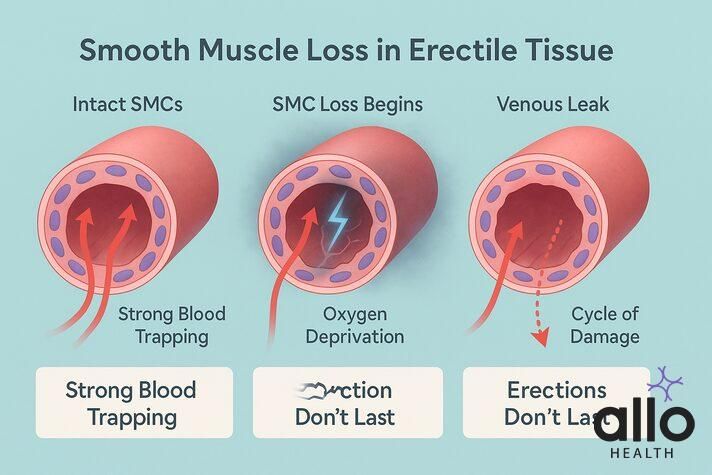
Inside the erectile tissue of the penis, called the corpora cavernosa, are specialized smooth muscle cells[4]. These cells control how blood enters and stays in the penis during an erection.
During sexual arousal, smooth muscle cells relax to allow blood to flow in. Afterward, they contract to let blood flow out. This balance is essential for firm and lasting erections.
As men age, oxidative stress causes a gradual loss of these muscle cells through a process called apoptosis, or programmed cell death[5] — a process that also explains the link between musculoskeletal decline and back pain and erectile dysfunction. Blood may still enter the penis, but the tissue struggles to trap it effectively. This often leads to erections that are weaker or difficult to maintain.
Less muscle → poorer blood flow → less oxygen → more damage
3. Nerve Sensitivity
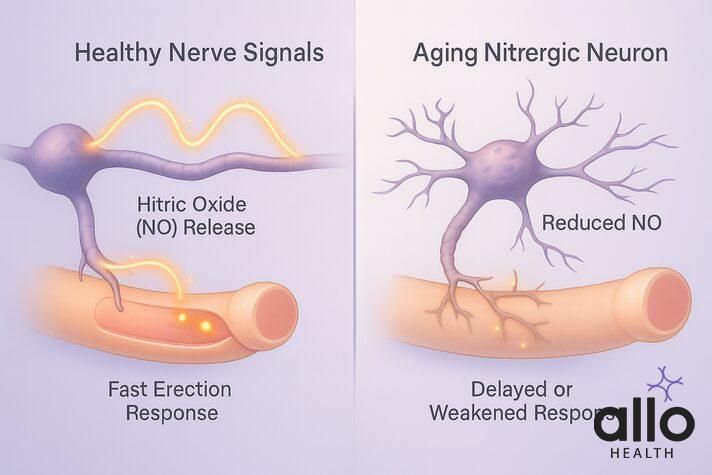
Erections also depend on healthy nerve signals[6]. Nerves release nitric oxide, which tells the smooth muscle in the penis to relax and allow blood flow.
With aging and ongoing oxidative stress, these nerve cells can become damaged or less responsive. As nitric oxide production drops, erection signals weaken.
This can result in:
- Slower onset of erections
- Softer erections
- Inconsistent erectile response
4. Systemic Causes of ED
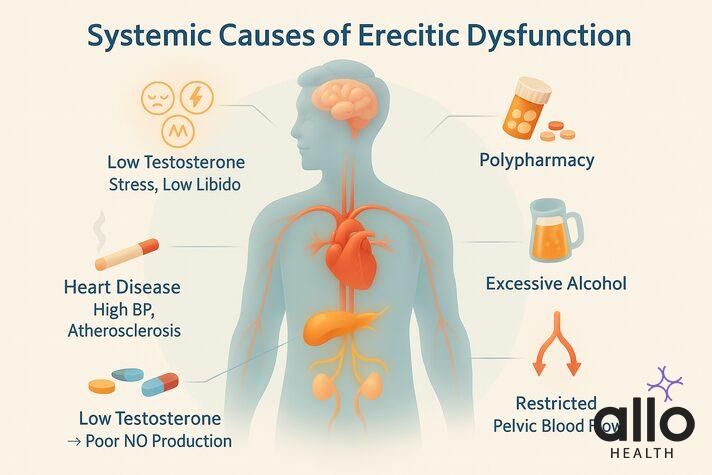
a) Low Testosterone Levels
Low testosterone affects several systems that support erections:
- Reduces nitric oxide production, which is essential for blood vessel relaxation
- Lowers energy levels, mood, and muscle health
- Disrupts sleep quality, which further impacts hormone balance
b) Chronic Health Conditions
Several long-term conditions increase the risk of erectile dysfunction:
- High blood pressure: Damages penile blood vessels, and some medications may worsen ED
- Diabetes: Affects nerves, blood flow, and hormone balance
- Heart disease: ED can appear years before heart symptoms
- Depression: Alters brain chemistry and reduces sexual desire and response
- Parkinson’s disease can disrupt nerve signaling and blood flow, increasing the risk of erectile dysfunction with age.
c) Medications That Affect Erections
Certain medications interfere with sexual function:
- Blood pressure drugs: Beta-blockers, diuretics, and some ACE inhibitors
- Antidepressants (SSRIs): Commonly lower libido and erection strength
- Multiple medications (polypharmacy): Combined side effects increase ED risk
- Other contributors: Opioids, antihistamines, and prostate medications
d) Lifestyle Factors
Daily habits strongly influence erectile health.These lifestyle-related risk factors often interact with aging to worsen erectile function over time:
- Smoking: Damages blood vessels and reduces nitric oxide availability
- Obesity: Increases inflammation and lowers testosterone levels
- Excessive alcohol: Causes nerve damage, hormone disruption, and poor sleep
- Sedentary lifestyle: Reduces pelvic blood flow and testosterone production
- Chronic stress: Raises cortisol, which suppresses sexual function
At What Age Does Erectile Dysfunction Start
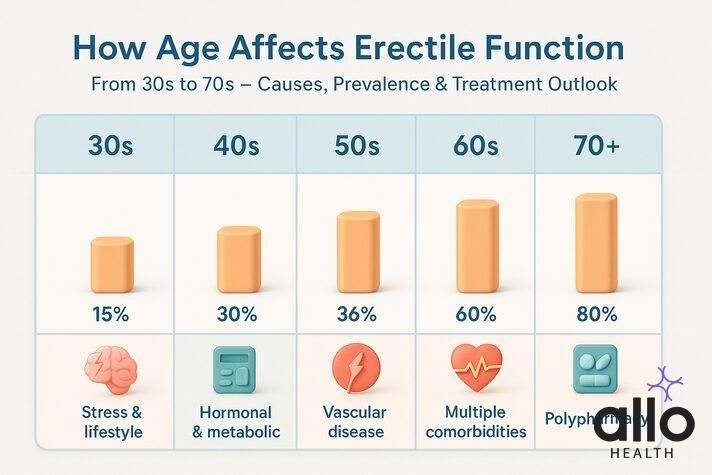
So, when does erectile dysfunction start in men? In most cases, symptoms appear gradually, rather than suddenly, as men age. Let's take a closer look at how age and impotence are related to each decade of life.
| Age Group | Common ED Causes | Key Insight |
|---|---|---|
| 30s | Stress, anxiety, poor sleep, smoking | Often temporary and lifestyle-related |
| 40s | Early blood vessel changes, high BP risk, diabetes, chronic stress | Physical and mental factors overlap |
| 50s | Reduced blood flow, hormone decline, chronic illness | May signal heart or vascular disease |
| 60s | Poor circulation, multiple conditions, medication effects | Many effective treatments available |
| 70+ | Advanced vascular issues, nerve and muscle aging, polypharmacy | Sexual health remains manageable |
There is no single average age for ED to start, as erection problems can appear earlier or later depending on underlying conditions.
How to Keep Erections Healthy as You Age
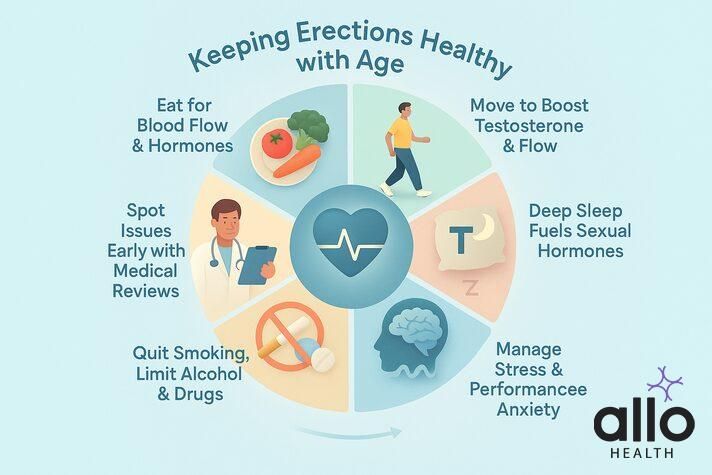
Keeping erections healthy as you age starts with taking care of your heart, hormones, nerves, and mental well-being. Many of the changes that affect erections are gradual and strongly influenced by daily habits. Small, consistent lifestyle adjustments can make a meaningful difference over time.
1. Eat for Better Blood Flow and Hormone Balance
A heart-healthy diet supports erections by improving circulation and hormone function. In the Indian context, this means focusing on fresh, home-cooked foods. Vegetables like drumsticks (moringa), leafy greens, onions, garlic, and fruits such as pomegranate and watermelon support vascular health. Reducing fried foods, namkeen, excess sugar, and alcohol helps protect blood vessels and lowers the risk of diabetes and high blood pressure, which commonly contribute to ED.
2. Stay Active and Build Strength
Regular movement improves blood flow and testosterone levels. Brisk walking, cycling, or similar activity for 30 minutes most days helps maintain erection health. Strength training and pelvic floor exercises can further support erection firmness when done consistently.
3. Prioritize Sleep and Recovery
Testosterone production and nerve recovery depend on good sleep. Poor sleep, late nights, and chronic stress can weaken erections. A regular sleep schedule, stress management, and open communication with a partner help reduce performance anxiety and improve sexual confidence.
4. Support Mental and Emotional Health
Stress, anxiety, and depression can interfere with erections. Mindfulness, counseling, and open communication with a partner help reduce performance pressure and improve sexual confidence.
5. Schedule Regular Health Checkups
Conditions like diabetes, high blood pressure, cholesterol issues, and low testosterone become more common with age and can affect erections. Regular checkups and medication reviews help identify problems early and prevent worsening symptoms.
Erectile Dysfunction Solutions for any Age
Erectile dysfunction is one of the most treatable medical conditions. Whether your symptoms are mild or persistent, effective solutions exist, and the right treatment can help restore not just your erections, but your confidence and quality of life.
1. Oral ED Medications
These ED medications enhance your natural erectile response by improving blood flow; they don’t force an erection, but help your body respond to arousal. Common Options:
- Sildenafil (Viagra)
- Tadalafil (Cialis)
- Vardenafil (Levitra)
- Avanafil (Stendra)
2. Lifestyle Changes
- Exercise: 30 minutes of cardio most days improves circulation and erectile function
- Healthy Diet: A good diet aids weight loss and supports heart and sexual health
- Sleep: Poor sleep lowers testosterone; deep, restorative sleep is essential
- Quit Smoking: Blood vessel health improves within weeks of quitting, often boosting erectile function
3. Therapy and Stress Management
- Cognitive Behavioral Therapy (CBT): Proven to reduce performance anxiety and negative thought cycles
- Couples Therapy: Strengthens communication and intimacy
- Mindfulness & Relaxation: Reduces cortisol, improving hormonal and sexual function
4. Advanced Treatment Options
- Injection Therapy
- Vacuum Erection Devices (VEDs)
- Penile Implant Surgery
- Shock Wave Therapy (ESWT)
5. Hormone Therapy (When Indicated)
Men with low testosterone may benefit from testosterone replacement therapy, which can be given as gels, injections, patches, or small pellets.
The Bottom Line
While age and impotence are connected, growing older doesn't mean you're destined to experience erection issues — though medications like clonidine and erectile dysfunction side effects are worth reviewing with your doctor. Healthy habits, regular checkups, and open conversations about sexual health can help catch problems early and may even prevent them.
If you're concerned about age-related changes in your sexual health, don’t wait; talk to your doctor. Support and effective treatment are available at any stage of life.

Disclaimer
The following blog article provides general information and insights on various topics. However, it is important to note that the information presented is not intended as professional advice in any specific field or area. The content of this blog is for general educational and informational purposes only. The content should not be interpreted as endorsement, recommendation, or guarantee of any product, service, or information mentioned. Readers are solely responsible for the decisions and actions they take based on the information provided in this blog. It is essential to exercise individual judgment, critical thinking, and personal responsibility when applying or implementing any information or suggestions discussed in the blog.
Most Asked Questions
Does impotence increase with age?
Yes, studies show that the chances of experiencing erectile dysfunction (ED) do increase with age, but age alone isn’t the cause. Underlying issues like poor blood flow, low testosterone, and chronic illnesses play a bigger role and can often be treated.
Can a 70-year-old man still get hard?
Absolutely. Many men in their 70s continue to have healthy sex lives. While age-related changes can make erections less firm or slower to happen, treatments and lifestyle changes can significantly help.
What causes a weak erection in older men?
Common causes include reduced blood flow, lower testosterone, nerve damage, side effects from medications, and chronic health problems like diabetes or high blood pressure. Stress and poor sleep can also contribute.
At what age do men typically start having erectile problems?
ED can begin as early as the 30s, especially due to stress or lifestyle factors. By their 40s or 50s, many men start experiencing physical contributors like vascular issues or hormonal changes.
Is erectile dysfunction in older men treatable or permanent?
ED is highly treatable at any age. Many men see improvement with medication, lifestyle changes, therapy, or advanced treatments like injections or implants. It’s never too late to seek help.
At what age does erectile dysfunction usually start?
Erectile dysfunction can start in the late 30s or early 40s, but it becomes more common after the age of 50. Occasional erection problems can be a normal part of aging, especially during stress or illness. However, persistent ED is not inevitable and is often treatable at any age.
Which Indian foods support erectile health?
Indian foods that support erectile health are those that improve blood flow and overall heart health. These include drumsticks (moringa), leafy greens, garlic, onions, pomegranate, watermelon, nuts, and seeds. These foods support circulation and hormone balance, but they do not cure erectile dysfunction. Persistent ED should always be evaluated by a doctor.
Can erectile dysfunction happen in your 20s?
Yes, erectile dysfunction can happen in your 20s. In younger men, ED is often linked to stress, anxiety, poor sleep, lifestyle habits, or performance pressure rather than physical disease. Conditions like early diabetes, smoking, or excessive alcohol use can also play a role. The good news is that ED at this age is usually reversible with lifestyle changes and proper medical guidance.
Is erectile dysfunction permanent after 60?
No, erectile dysfunction is not permanent after 60. While erections may take longer or feel less firm with age, many effective treatments are available at any stage of life. Medications, lifestyle changes, and addressing underlying health conditions often improve erectile function significantly, even in older men.
Sources
- 1.
Aging related erectile dysfunction—potential mechanism to halt or delay its onset
- 2.
The correlation between erectile dysfunction and metabolic syndrome in an Indian population: A cross-sectional observational study
- 3.
Age-related endothelial dysfunction with respect to nitric oxide, endothelium-derived hyperpolarizing factor and cyclooxygenase products
- 4.
Age-related vascular stiffening: causes and consequences
- 5.
Study on the mechanism of aging-related erectile dysfunction based on bioinformatics and experimental verification
- 6.
Oxidative Stress and Erectile Dysfunction: Pathophysiology, Impacts, and Potential Treatments
- 7.
Physiology of Penile Erection and Pathophysiology of Erectile Dysfunction