Dementia and Alzheimer's: Early Signs and What Helps
Written by Dr. Srishti Rastogi

Dr. Srishti Rastogi is a medical writer and healthcare professional dedicated to high-quality patient education and public health awareness. Leveraging her clinical background, she produces deeply researched, evidence-based content for digital health platforms and medical publications. Dr. Srishti’s unique dual perspective as a clinician and communicator allows her to craft content that builds trust and credibility with readers navigating sensitive health topics.
•
September 1, 2026
Our experts continually monitor the health and wellness space, and we update our articles when new information becomes available.
Quick Read
Dementia isn't one disease. It's a group of symptoms caused by several different diseases, and Alzheimer's disease is the most common of them. It isn't part of normal ageing. Some things that look like dementia are treatable, so a memory problem is worth checking rather than waiting on. There's no cure, but treatment, routine and good day-to-day care change how well someone lives with it, and how well their family copes.
If you or someone you know is in crisis, help is available right now. You are not alone, and things can get better with the right support.
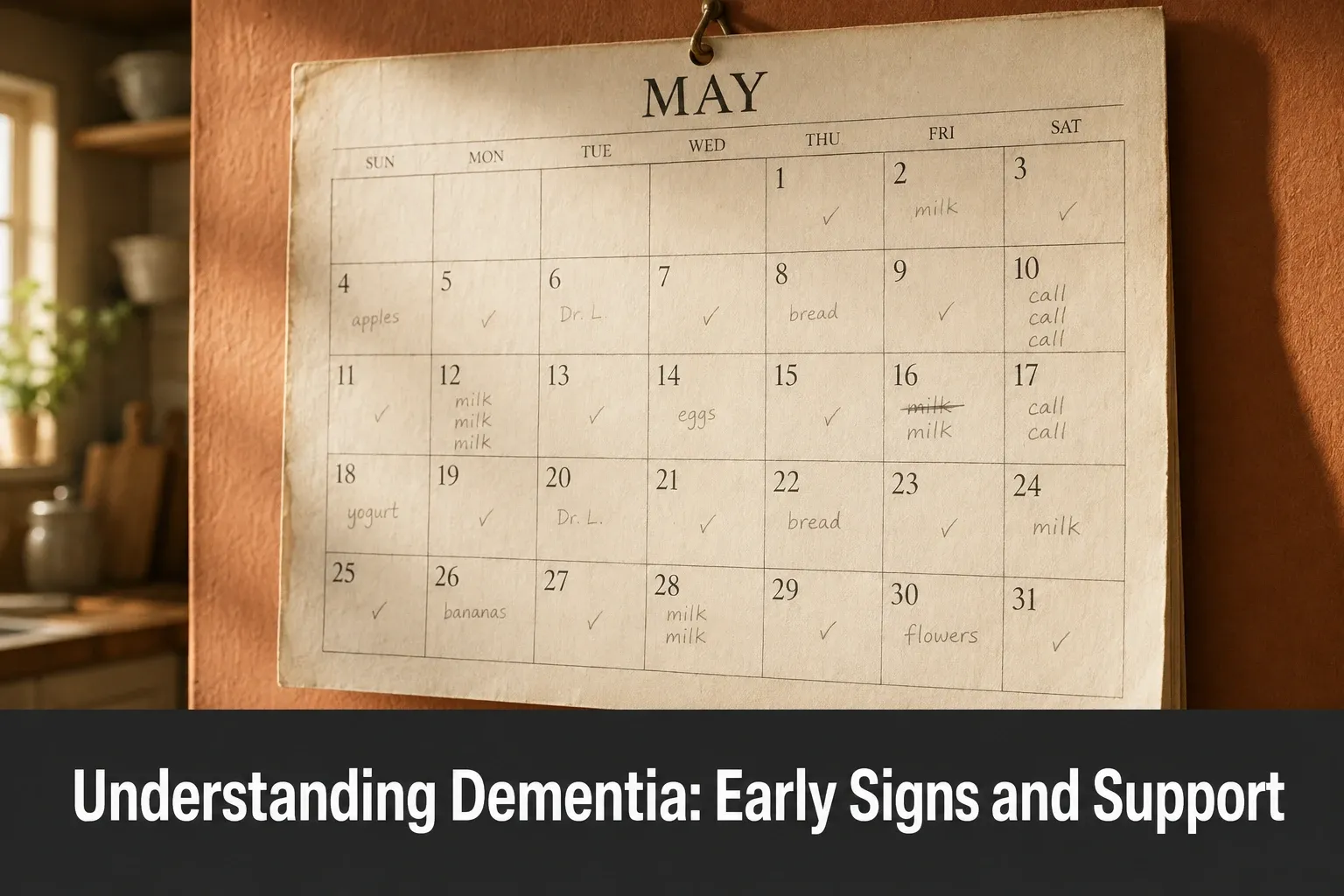
Most families do not arrive here because of one dramatic incident. They arrive after noticing small changes.
The same question is asked three times in an hour. A bill is paid twice. Your father gets lost on a road he has used for 30 years.
Someone says “budhapa hai,” and the family waits. These changes may not be dementia, but they should not be ignored.
What Is Dementia?
Dementia is a group of symptoms that affects memory, thinking, language, judgement and the ability to manage everyday life.
It is not one disease. Several conditions can cause it. Alzheimer’s disease is the most common cause and may account for 60% to 70% of cases [1].

Most people with dementia are over 65, but it can begin earlier. Dementia that starts before 65 is called young-onset dementia.

Allo asks
What Do You Need Help With Right Now?
What Is the Difference Between Dementia and Normal Ageing?
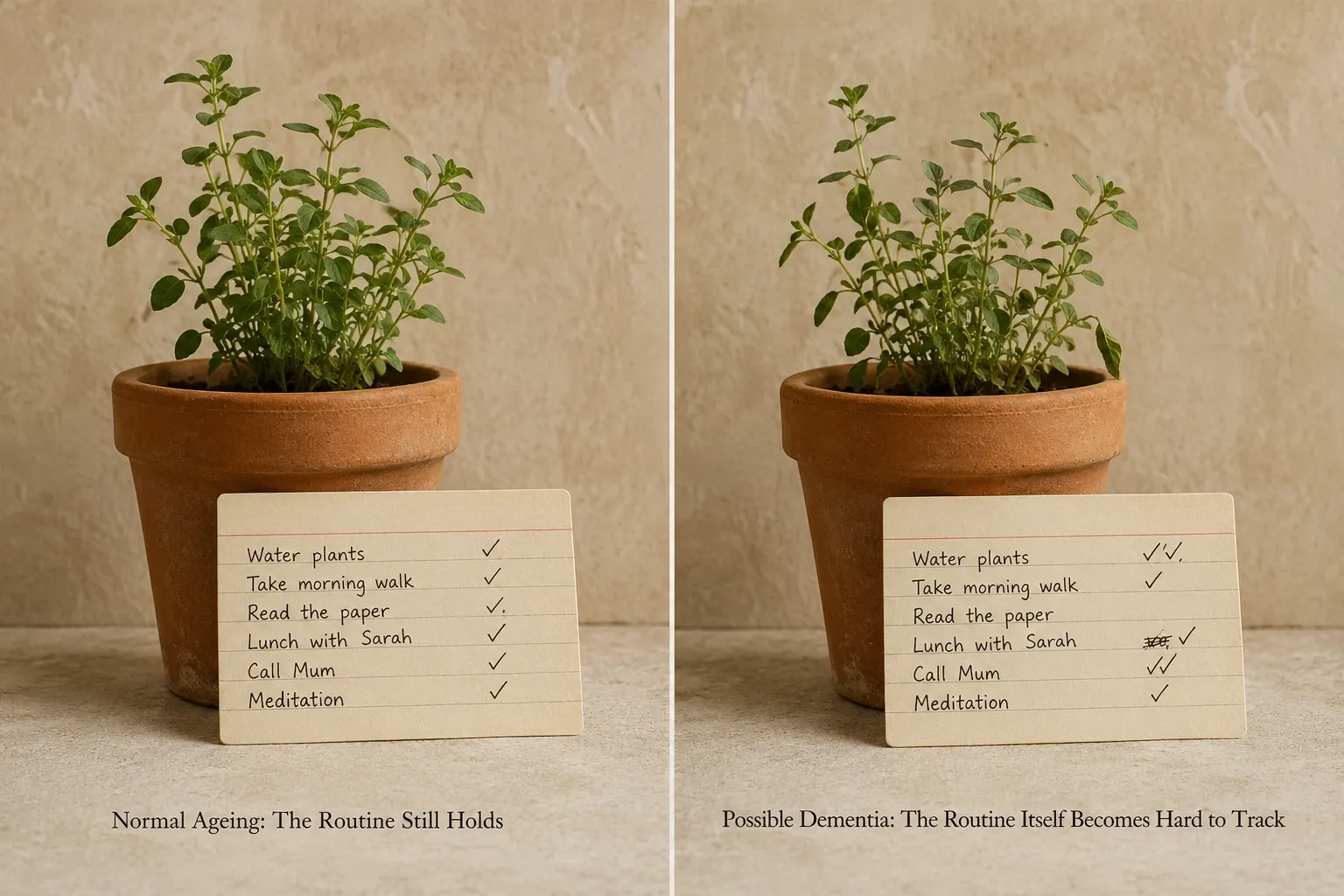
Normal ageing may make it harder to remember something quickly. Dementia causes changes that begin affecting the person’s independence.
| Normal ageing | Possible dementia |
|---|---|
| Forgetting a name but remembering it later | Repeatedly forgetting familiar people |
| Occasionally misplacing keys | Putting keys in unusual places without knowing how |
| Making one payment mistake | Paying bills twice or making unusual transfers |
| Taking longer to learn something | Struggling with familiar tasks |
| Sometimes needing directions | Getting lost on a familiar road |
The main question is not how often the person forgets something. It is whether they can still manage their usual day.

What Are the Early Signs of Dementia?
Dementia does not always begin with memory loss. Changes in language, judgement, mood or personality may appear first.
Common signs include:
- Repeating questions without remembering the answer
- Struggling with money, medicines or familiar routes
- Forgetting common words or losing track during a task
- Leaving the tap, gas or appliance running
- Becoming unusually suspicious, withdrawn or irritable
One mistake does not mean someone has dementia. Look for changes that keep happening, become worse and affect daily life.
These signs can also be caused by stress, depression, thyroid problems, low vitamin B12, infection or medicine side effects. A doctor needs to check the cause.
What Are the Main Types of Dementia?
Alzheimer’s disease usually begins with memory problems and progresses slowly.
Vascular dementia is linked to damage to the brain’s blood supply. Stroke, high blood pressure and diabetes can increase the risk.
Dementia with Lewy bodies may cause visual hallucinations, changes in alertness, stiffness and slow movement.
Frontotemporal dementia may begin earlier and first affect behaviour, personality or language.
Knowing the type helps the doctor recommend suitable treatment and care.
How Is Dementia Diagnosed?
There is no single test that can diagnose every type of dementia.
The doctor will ask what has changed, when it started, and how it affects daily life. A relative’s account is important because the person may not notice or remember every change.
The assessment may include memory and thinking tests, blood tests, a review of medicines, hearing and vision checks, and sometimes a brain scan.
A normal score on one short memory test does not always rule out dementia [2]. An online quiz cannot confirm it either.
Before the appointment, write down clear examples such as repeated questions, missed medicines, unusual payments or getting lost. Take the medicine list and medical records too.

Why Is an Early Dementia Check Important?
An early check can find treatable problems that look like dementia. It also gives the person time to take part in decisions about money, property, medical care and future support.
Research suggests that only around 1 in 10 people living with dementia in India receives a diagnosis, treatment or care [3] [5]. Families often delay seeking help because symptoms are mistaken for old age.
A nationwide study estimated that around 8.8 million Indians over 60 were living with dementia [4].
Getting a diagnosis can feel frightening, but it gives the family a clearer idea of what to expect and what help may be needed.
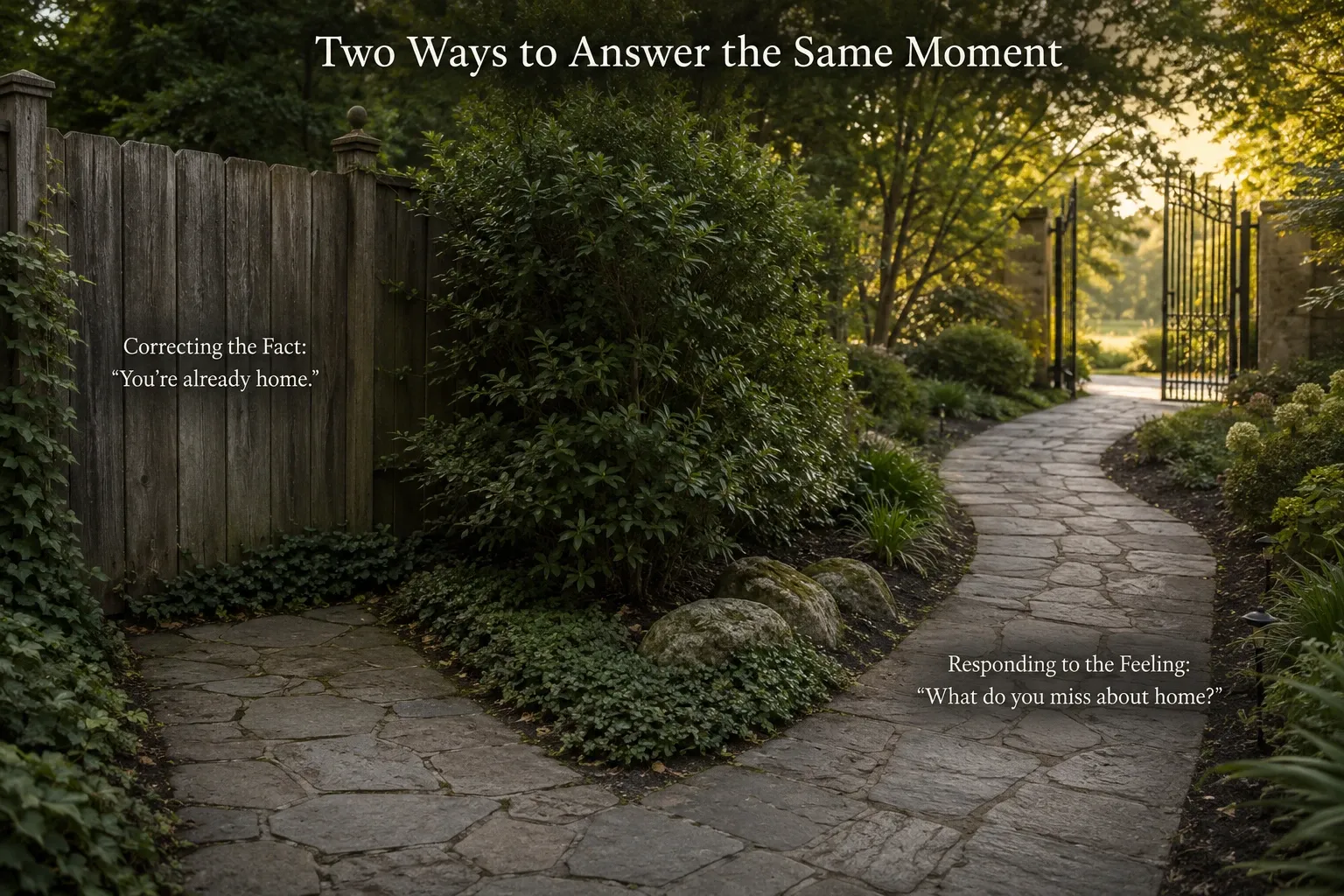
I tell families constantly: please don't try to correct every wrong memory. If your mother says she wants to go home while sitting in her own house, ask what she misses about home instead of insisting she's already there. You'll calm her far more by responding to the feeling than by winning the fact.
Can Dementia Be Treated?
There is currently no cure for dementia, but treatment and support can help the person live more safely and independently [1].
Some medicines may support memory and thinking for a period in certain types of dementia. Others may be used for symptoms such as depression, sleep problems or severe distress.
The choice depends on the cause and stage of dementia. Read more about medicines used in dementia and how psychiatric medicines work.
Managing blood pressure, diabetes, hearing and vision also matters. Do not start, stop or change a prescribed medicine without speaking to the doctor.
How Can You Care for Someone With Dementia at Home?
A familiar routine can reduce confusion. Try to keep meals, medicines and sleep at similar times each day.
Use short sentences and give one instruction at a time. Wait for an answer instead of asking several questions together.
Do not argue over every incorrect memory. If your mother says she wants to go home while sitting at home, ask what she misses about home. Responding to the feeling may calm her more than proving that she is wrong.
Make the house safer without taking away everything the person can still do. Better lighting, clear bathroom signs, a gas shut-off and an identification card with a family phone number may help.
Let the person continue with manageable tasks, even if they take longer. Folding clothes, watering plants or helping with puja arrangements can provide routine and purpose.
What Should You Do When Behaviour Suddenly Changes?
Agitation, suspicion, refusing care or wanting to leave often has a reason. Check for pain, constipation, fever, infection, hunger, poor sleep or too much noise. A crowded room or unfamiliar surroundings may increase confusion.
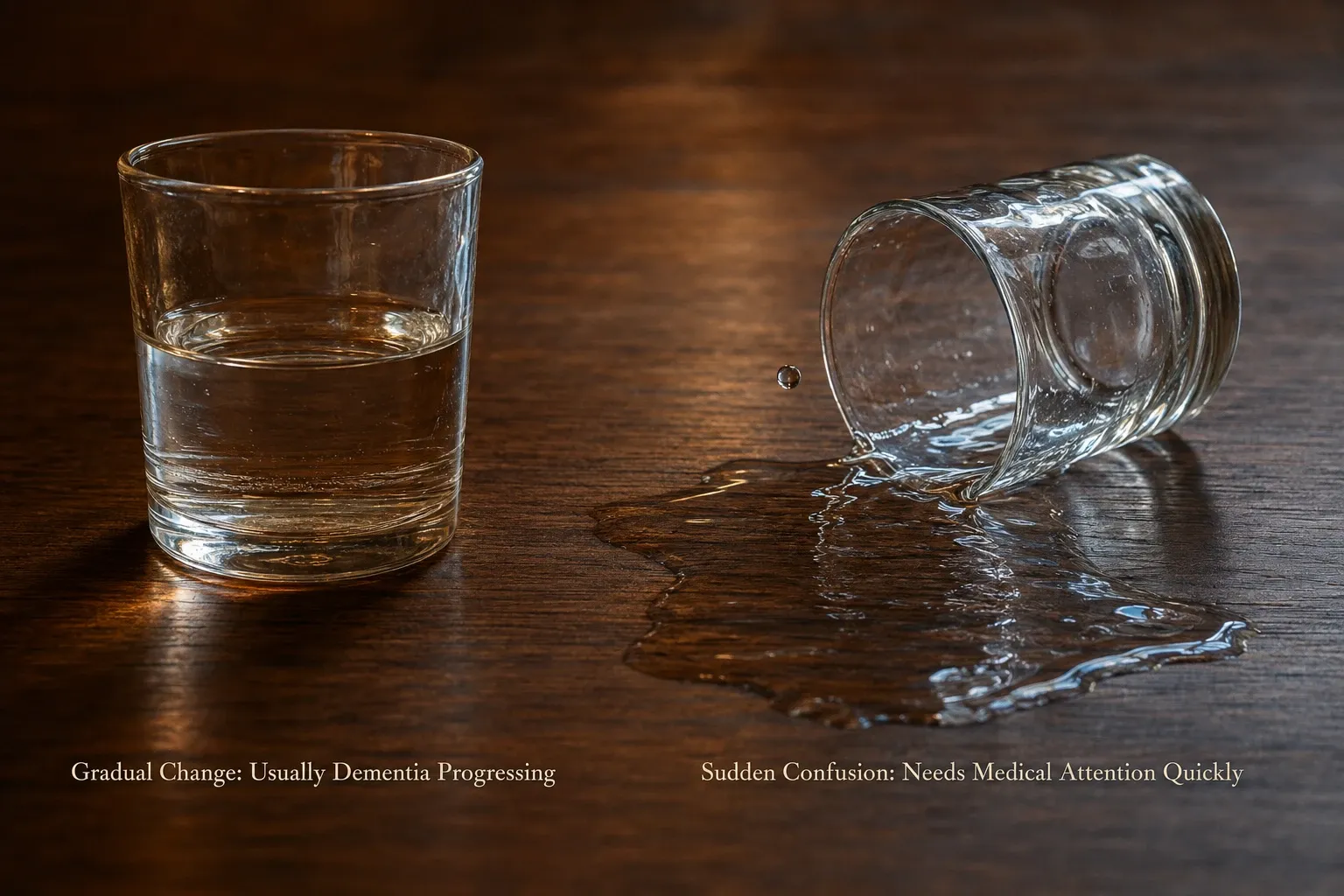
If confusion appears suddenly over hours or days, seek medical help quickly. Sudden confusion may be caused by delirium, infection or another medical problem rather than dementia alone.
Medicines that cause sedation should not be the first response to every difficult behaviour. Clinical guidance limits antipsychotic use to situations involving a risk of harm or severe distress [2].
How Can Family Carers Look After Themselves?
Caring for someone with dementia can slowly take over the carer’s day. Share tasks with relatives and arrange regular breaks instead of waiting until you are completely exhausted.
If you have stopped sleeping, meeting people or enjoying anything, speak to a professional. Read more about supporting a loved one.
You may also benefit from talking to a therapist. Looking after yourself is part of caring for the person.
Can Dementia Be Prevented?
Not every case of dementia can be prevented. However, research suggests that many cases may be delayed by reducing health and lifestyle risks [6].
Managing blood pressure, diabetes and cholesterol can help. Physical activity, avoiding smoking, treating hearing and vision problems, and staying socially connected also support brain health.
These steps cannot guarantee prevention, but they are useful at every age.
When Should You See a Doctor?
See a doctor if changes in memory, thinking or behaviour keep happening and begin affecting daily life. Get help sooner if the change appears suddenly, comes with fever, makes the person unsafe or causes a major personality change before age 65. You do not need to be sure that it is dementia. Take a list of what you have noticed and when it began.
A confidential consultation with a professional at Allo Health can help you organise your concerns and understand what to ask for next.

Disclaimer
This blog article discusses mental health and emotional wellbeing for general educational and informational purposes only. It is not a substitute for professional advice, diagnosis, or treatment, and only a qualified mental health professional, such as a psychiatrist, psychologist, or licensed therapist, can diagnose a condition or recommend treatment. If you are struggling, please reach out to a qualified professional or someone you trust; if you are in crisis or may be at risk of harming yourself, use the crisis support resources on this page. For any decisions about your mental health, we encourage you to seek the guidance of a qualified professional.
Most Asked Questions
What is mild cognitive impairment, and does it always become dementia?
Mild cognitive impairment means memory or thinking is measurably weaker than expected for someone's age, but daily life still works. It's a risk state, not a sentence. Some people stay stable for years, some improve when a treatable cause is found, and some go on to develop dementia. It's a reason to be reviewed, not a reason to give up.
Can an online memory test tell us whether it's dementia?
No. A score from a website can't account for someone's education, language, hearing, mood, sleep or medicines, all of which change how they perform. Guidance is clear that even a formal cognitive test done properly in a clinic can come back normal in someone who does have dementia [2]. Write down what you've actually noticed and take that to a doctor instead.
Is dementia inherited?
Usually not in a direct way. Having a parent with dementia raises your risk somewhat, but most people who develop it have no strong family history, and most children of a parent with dementia never develop it. Rare inherited forms exist and tend to cause symptoms unusually young. If several close relatives were affected before 65, that's worth raising with a doctor.
Should we correct him when he says something that isn't true?
Generally, no. Correcting a false memory rarely restores it and often causes distress, which then has to be settled all over again. Respond to what the person is feeling, redirect gently, and move on. Save your energy for safety, which is the one place you do have to intervene.
What should we expect over time?
Dementia gets worse gradually, but the pace varies a lot between people and between types, and nobody can give you a reliable timeline at diagnosis. What's more useful to plan around is what changes: more help with daily tasks, more difficulty with words, and eventually help with eating, washing and moving. Ask the treating doctor what to expect for the specific type, and ask early, while there's time to arrange things calmly.
Sources
- 1.
World Health Organization. Dementia (fact sheet). WHO.
- 2.
National Institute for Health and Care Excellence. Dementia: assessment, management and support for people living with dementia and their carers (NG97) — Summary of recommendations. NICE, 2018. Hosted on NCBI Bookshelf.
- 3.
Hurzuk S, Farina N, Pattabiraman M, Ramasamy N, Alladi S, Rajagopalan J, et al. Understanding, experiences and attitudes of dementia in India: a qualitative study. Dementia. 2022;21(7):2288-2306.
- 4.
Lee J, Meijer E, Langa KM, et al. Prevalence of dementia in India: national and state estimates from a nationwide study. Alzheimer's & Dementia. 2023;19(7):2898-2912. DOI 10.1002/alz.12928.
- 5.
STRiDE (Strengthening Responses to Dementia in Developing Countries). Report on the dementia situation in India. LSE, NIMHANS and ARDSI, 2022.
- 6.
Livingston G, Huntley J, Liu KY, et al. Dementia prevention, intervention, and care: 2024 report of the Lancet standing Commission. The Lancet. 2024;404(10452):572-628. DOI 10.1016/S0140-6736(24)01296-0.
Why Should You Trust Us?
Why Should You Trust Us?
This article was written by Dr. Srishti Rastogi, who has more than 1 years of experience in the healthcare industry.
Allo has the expertise of over 50+ doctors who have treated more than 1.5 lakh patients both online and offline across 30+ clinics.
Our mission is to provide reliable, accurate, and practical health information to help you make informed decisions.
For This Article
- We cited a nationwide study estimating around 8.8 million Indians over 60 are living with dementia, so this article reflects the actual scale of the condition in India rather than treating it as a rare or Western concern.
- We referenced research showing that only around 1 in 10 people living with dementia in India receive a diagnosis, treatment, or care, so the article's emphasis on getting an early check is grounded in a real, documented gap, not general advice.
- We were clear that a normal score on one short memory test doesn't rule out dementia, reflecting actual clinical guidance rather than suggesting a single quick test can confirm someone is fine.
- We distinguished the main types of dementia, Alzheimer's, vascular, Lewy body, and frontotemporal, by how each actually presents, so families aren't left assuming all dementia looks like memory loss alone.
- We were specific that clinical guidance limits antipsychotic use to situations involving real risk of harm or severe distress, so this article doesn't suggest sedation as a default response to difficult behaviour.