What Are The Symptoms And Complications Of Hepatitis B?
Written by Anoush Gomes

Anoush Gomes is a seasoned Content Writer with over 10 years of experience, specializing in various writing styles such as medical content, creative writing, storytelling, and research papers. Anoush embarked on a unique journey, starting with pre-medical studies at the Dante Aligheri Academy and the University of Miami, where she earned a Bachelor's degree with a major in Biology and a minor in Psychology.Having pursued medical school and completed clinicals, Anoush transitioned to the world of medical content writing, where her passion for both healthcare and writing converged. Her writing skills encompass persuasive, narrative, expository, and descriptive styles, making complex medical concepts accessible to diverse audiences.Beyond her professional endeavors, Anoush is a multi-faceted individual with a rich tapestry of interests. A writer, artist, poet, avid reader, certified nerd, and hopeful author, she finds inspiration in the intersection of creativity and science.Whether crafting engaging medical narratives or weaving captivating stories, Anoush combines her diverse background and writing expertise to deliver compelling content that resonates with diverse audiences.
•
May 2, 2024
Our experts continually monitor the health and wellness space, and we update our articles when new information becomes available.
Hepatitis B can manifest with a diverse array of symptoms, which can vary in severity and duration. While some individuals may experience mild symptoms or remain asymptomatic, others may develop more pronounced manifestations.
Common Symptoms Of Hepatitis B?
- Fatigue: Persistent tiredness and a lack of energy are hallmark symptoms of hepatitis B, often impacting daily activities and overall quality of life.
- Loss of Appetite and Weight Loss: Hepatitis B can lead to a reduced appetite, resulting in unintentional weight loss over time. This decline in nutritional intake can further exacerbate feelings of fatigue and weakness.
- Jaundice: Yellowing of the skin and whites of the eyes, known as jaundice, occurs due to elevated levels of bilirubin in the bloodstream. Jaundice is a classic sign of liver dysfunction and is often one of the first visible symptoms of hepatitis B.
- Abdominal Pain: Discomfort or pain in the upper right quadrant of the abdomen, where the liver is located, may occur in individuals with hepatitis B. This pain can range from mild to severe and may be accompanied by bloating or tenderness.
- Nausea and Vomiting: Many individuals with hepatitis B experience feelings of nausea, which may be accompanied by episodes of vomiting. These gastrointestinal symptoms can contribute to further weight loss and nutritional deficiencies.
- Dark Urine: Hepatitis B can cause changes in urine color, leading to dark urine that may appear brownish or tea-colored. This discoloration is due to the presence of excess bilirubin in the urine, a byproduct of liver metabolism.
- Joint Pain: Some individuals with hepatitis B may experience joint pain or discomfort, which can affect multiple joints throughout the body. Joint pain is thought to be related to the body's immune response to the viral infection.
- Fever: Elevated body temperature, accompanied by chills and sweating, may occur during the acute phase of hepatitis B infection. Fever is a sign of the body's immune system responding to the viral invasion.
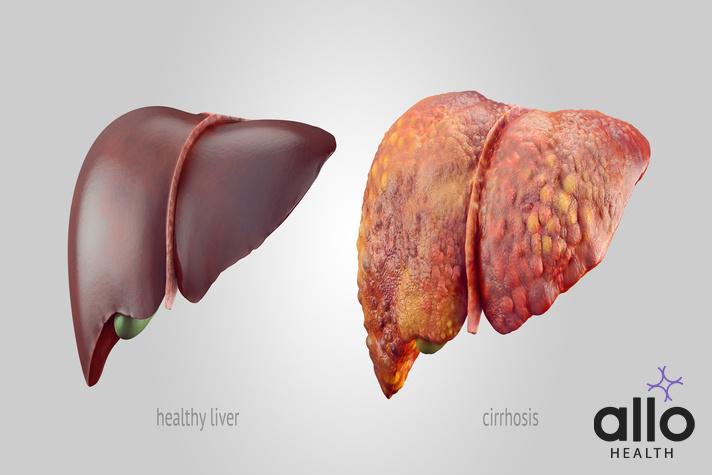
Exploring Complications of Hepatitis B
While many cases of hepatitis B resolve on their own, some individuals may develop chronic infection, leading to long-term complications. Chronic hepatitis B can result in progressive liver damage and increase the risk of developing serious health problems. Here are the key complications associated with hepatitis B:
- Chronic Hepatitis: Chronic hepatitis B occurs when the virus persists in the body for six months or longer. Chronic infection can lead to ongoing liver inflammation, which may progress to more severe liver disease over time.
- Liver Cirrhosis: Cirrhosis is a late-stage liver disease characterized by the formation of scar tissue within the liver. Chronic hepatitis B is a leading cause of cirrhosis, which can impair liver function and lead to complications such as portal hypertension and ascites.
- Liver Cancer (Hepatocellular Carcinoma): Chronic hepatitis B significantly increases the risk of developing liver cancer, particularly hepatocellular carcinoma (HCC). The presence of cirrhosis further elevates the risk of liver cancer in individuals with chronic hepatitis B.
- Liver Failure: In advanced cases of chronic hepatitis B, the liver may become severely damaged and unable to function properly. This can lead to liver failure, a life-threatening condition that requires urgent medical intervention, including liver transplantation.
- Acute Fulminant Hepatitis: Acute fulminant hepatitis is a rare but severe complication of hepatitis B, characterized by rapid-onset liver failure. This condition requires immediate medical attention and may necessitate liver transplantation to prevent death.
By understanding its symptoms, potential complications, and common questions, individuals and communities can arm themselves with the tools needed to confront this formidable adversary. Awareness of hepatitis B not only facilitates early detection and prompt medical intervention but also fosters a culture of prevention and advocacy. Through education, advocacy, and collaboration, we can bridge the gap between awareness and action, empowering individuals to take control of their health and well-being. By promoting vaccination, practicing safe behaviors, and supporting those affected by hepatitis B, we can work towards a future where this viral infection no longer casts a shadow over the lives of millions.

Disclaimer
The following blog article provides general information and insights on various topics. However, it is important to note that the information presented is not intended as professional advice in any specific field or area. The content of this blog is for general educational and informational purposes only. The content should not be interpreted as endorsement, recommendation, or guarantee of any product, service, or information mentioned. Readers are solely responsible for the decisions and actions they take based on the information provided in this blog. It is essential to exercise individual judgment, critical thinking, and personal responsibility when applying or implementing any information or suggestions discussed in the blog.
Most Asked Questions
Can hepatitis B cause itching?
While itching (pruritus) is not a typical symptom of hepatitis B, it may occur in advanced stages of liver disease, particularly in individuals with cirrhosis.
Are joint pain and hepatitis B related?
Joint pain may occur during the acute phase of hepatitis B infection as a result of the body's immune response to the virus. However, joint pain is not always present and may vary in severity among individuals.
Can hepatitis B cause hair loss?
Hair loss is not directly caused by hepatitis B but may occur as a secondary symptom of advanced liver disease, such as cirrhosis. Severe liver damage can disrupt normal metabolic processes, leading to hair thinning or loss.
Is hepatitis B contagious during the incubation period?
Yes, hepatitis B can be contagious during the incubation period, which can last for several weeks to months before symptoms appear. Infected individuals can transmit the virus to others even before they are aware of their infection.
Can hepatitis B cause heart problems?
While hepatitis B primarily affects the liver, emerging research suggests a potential association between chronic HBV infection and an increased risk of cardiovascular disease. However, more studies are needed to fully understand the relationship between hepatitis B and heart health.