Managing Syphilis: Coping and Psychological Support
Written by Aditi Mallick

Aditi, a dynamic individual with a background in Chemistry, initially embarked on her professional journey as an Associate Content Developer at Byju's. Transitioning from an academic content reviewer to a creative force in the content creation team, she demonstrated prowess in crafting SEO-driven academic content, impactful presentations, and video reviews. Seeking new challenges, Aditi redirected her career towards professional content and copywriting, joining MyCaptain. Along this transformative path, she mastered design skills using software like Photoshop and Illustrator, creating visually striking posts for various brands and websites. Today, Aditi stands as a seasoned Medical writer, seamlessly transitioning from her roots as an academic writer. Join her on this exciting journey as she shares insights and expertise in content creation and medical writing.
•
July 30, 2026
Our experts continually monitor the health and wellness space, and we update our articles when new information becomes available.
Managing Syphilis: Coping and Psychological Support
Syphilis is a sexually transmitted infection (STI) caused by the bacterium Treponema pallidum. Despite being treatable with antibiotics, syphilis can have severe consequences if left untreated. Managing syphilis involves not only medical treatment but also coping with the psychological impact of the disease. This article delves into the importance of psychological support and coping strategies for individuals diagnosed with syphilis.
Understanding Syphilis
Syphilis progresses through several stages, each with distinct symptoms:
- Primary Stage: Characterized by a painless sore (chancre) at the infection site, typically appearing within three weeks of exposure. The sore heals without treatment, but the infection remains.
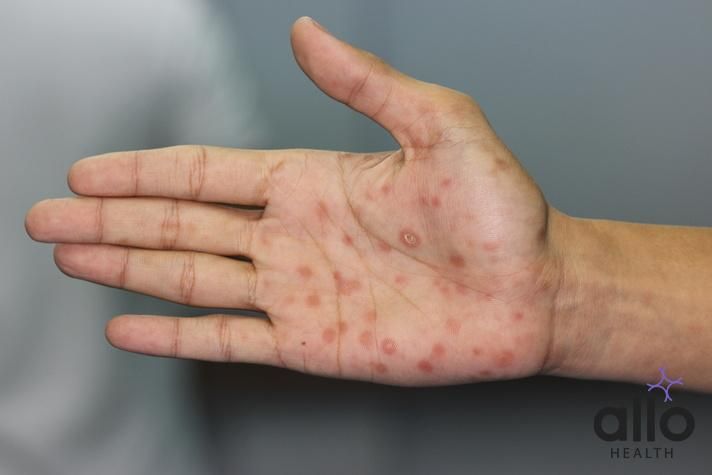
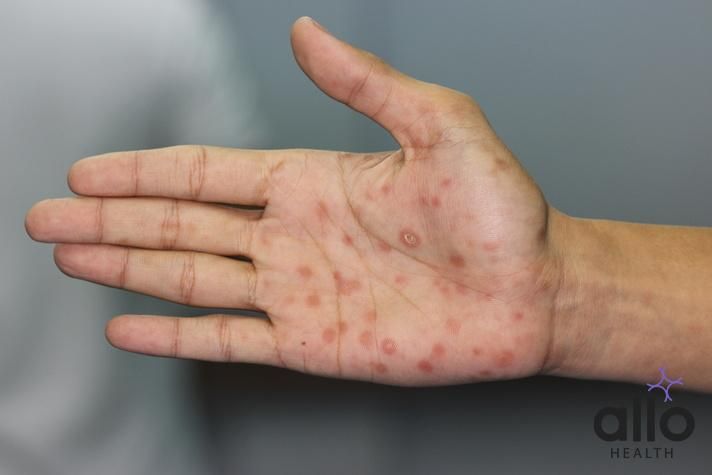
- Secondary Stage: Includes skin rashes, mucous membrane lesions, and flu-like symptoms. This stage can appear weeks after the initial sore heals.
- Latent Stage: The infection lies dormant without symptoms. It can last for years.
- Tertiary Stage: If untreated, syphilis can progress to this stage, causing severe health problems, including damage to the heart, brain, and other organs.
The Psychological Impact of Syphilis
A syphilis diagnosis can lead to various emotional and psychological challenges:
- Stigma and Shame: The social stigma associated with STIs can cause feelings of shame and embarrassment. Individuals may fear judgment from others and may struggle with self-esteem.
- Anxiety and Depression: The uncertainty about the long-term effects of syphilis and concerns about transmission can lead to anxiety and depression.
- Relationship Strain: Fear of transmitting the infection to a partner can strain relationships. Trust issues and communication breakdowns are common.
- Isolation: The stigma and fear of disclosure may lead individuals to withdraw from social interactions, increasing feelings of isolation.
Coping Strategies for Managing Syphilis

- Seek Medical Treatment: Early diagnosis and treatment with antibiotics, such as penicillin, are crucial. Following the prescribed treatment regimen can prevent the progression of the disease.
- Educate Yourself: Understanding the nature of syphilis, its stages, and treatment options can empower individuals. Knowledge reduces fear and helps in making informed decisions.
- Communicate Openly: Honest communication with sexual partners is essential. Disclosing the diagnosis and discussing safe sex practices can help maintain trust and prevent transmission.
- Build a Support Network: Surrounding oneself with supportive friends and family can alleviate feelings of isolation. Joining support groups, either in person or online, provides a sense of community and shared experience.
- Practice Self-Care: Engaging in activities that promote mental and physical well-being is vital. Regular exercise, a balanced diet, adequate sleep, and mindfulness practices can help manage stress and improve overall health.
Psychological Support for Syphilis Patients
- Therapy and Counseling: Professional therapy can address the emotional and psychological impact of a syphilis diagnosis. Cognitive-behavioral therapy (CBT) can help individuals challenge negative thoughts and develop healthy coping mechanisms.
- Support Groups: Joining support groups provides a platform to share experiences and learn from others facing similar challenges. It fosters a sense of belonging and reduces feelings of isolation.
- Education and Awareness Programs: Participating in educational programs can help individuals and communities understand syphilis better, reducing stigma and promoting acceptance.
- Mindfulness and Stress Reduction Techniques: Practices such as meditation, yoga, and deep-breathing exercises can reduce anxiety and promote mental clarity.
- Partner Counseling: Involving partners in counseling sessions can improve communication, address relationship concerns, and develop strategies for managing the infection together.
Addressing Stigma and Promoting Awareness

- Community Outreach: Raising awareness about syphilis through community outreach programs can reduce stigma. Providing accurate information and debunking myths are essential components.
- Educational Campaigns: Public health campaigns that educate about STIs, safe sex practices, and the importance of regular testing can help destigmatize syphilis.
- Advocacy and Support Organizations: Supporting organizations that advocate for STI awareness and patient rights can amplify the voices of those affected by syphilis and promote systemic change.
Moving Forward with Hope
A syphilis diagnosis, while challenging, is manageable with the right approach. Embracing medical treatment, seeking psychological support, and fostering open communication are key steps in managing the disease. By addressing the emotional and psychological aspects, individuals can navigate their diagnosis with resilience and hope. Managing syphilis extends beyond medical treatment; it encompasses addressing the psychological impact and fostering a supportive environment. Coping strategies, psychological support, and efforts to reduce stigma are crucial in helping individuals lead healthy and fulfilling lives despite their diagnosis. By promoting awareness and providing comprehensive care, we can create a more understanding and supportive society for those affected by syphilis.

Disclaimer
The following blog article provides general information and insights on various topics. However, it is important to note that the information presented is not intended as professional advice in any specific field or area. The content of this blog is for general educational and informational purposes only. The content should not be interpreted as endorsement, recommendation, or guarantee of any product, service, or information mentioned. Readers are solely responsible for the decisions and actions they take based on the information provided in this blog. It is essential to exercise individual judgment, critical thinking, and personal responsibility when applying or implementing any information or suggestions discussed in the blog.
Most Asked Questions
What is Syphilis and How is it Transmitted?
Syphilis is a sexually transmitted infection (STI) caused by the bacterium Treponema pallidum. It can be transmitted through sexual contact with an infected person, including vaginal, anal, or oral sex. It can also be transmitted from a pregnant woman to her unborn child during pregnancy or childbirth, leading to congenital syphilis.
What are the stages of syphilis and their symptoms?
Syphilis progresses through four stages: primary, secondary, latent, and tertiary. The primary stage usually presents as a painless sore at the infection site. The secondary stage can cause skin rashes, mucous membrane lesions, and flu-like symptoms. In the latent stage, symptoms may disappear, but the infection remains in the body. The tertiary stage, which can occur years later, may result in severe health complications affecting the heart, brain, and other organs.
How is Syphilis diagnosed and treated?
Syphilis can be diagnosed through various tests, including blood tests that detect antibodies to the syphilis bacterium or direct tests that identify the bacterium itself. It's crucial to get tested if there's a suspicion of infection or if engaging in high-risk sexual behavior. Treatment for syphilis involves antibiotics, typically penicillin or other antibiotics if there's a penicillin allergy. The choice of antibiotic and the duration of treatment depend on the stage of syphilis and the individual's health status. Early diagnosis and treatment are essential to prevent complications and reduce the risk of transmitting the infection to others.
How can I cope with the psychological impact of a syphilis diagnosis?
Receiving a syphilis diagnosis can be emotionally challenging. It's important to seek support from healthcare professionals, mental health counselors, or support groups. They can provide information, emotional support, and coping strategies to help you manage anxiety, stress, and any relationship concerns.
What steps can I take to prevent the spread of syphilis and protect my sexual health?
To prevent the spread of syphilis, practice safe sex by using condoms and dental dams, and engage in regular sexual health screenings. Open communication with sexual partners about STI status and mutual monogamy can also reduce the risk. If diagnosed, follow treatment protocols diligently and inform your sexual partners so they can get tested and treated if necessary.