Managing Pubic Lice (Crabs): Coping and Psychological Support
Written by Anoush Gomes

Anoush Gomes is a seasoned Content Writer with over 10 years of experience, specializing in various writing styles such as medical content, creative writing, storytelling, and research papers. Anoush embarked on a unique journey, starting with pre-medical studies at the Dante Aligheri Academy and the University of Miami, where she earned a Bachelor's degree with a major in Biology and a minor in Psychology.Having pursued medical school and completed clinicals, Anoush transitioned to the world of medical content writing, where her passion for both healthcare and writing converged. Her writing skills encompass persuasive, narrative, expository, and descriptive styles, making complex medical concepts accessible to diverse audiences.Beyond her professional endeavors, Anoush is a multi-faceted individual with a rich tapestry of interests. A writer, artist, poet, avid reader, certified nerd, and hopeful author, she finds inspiration in the intersection of creativity and science.Whether crafting engaging medical narratives or weaving captivating stories, Anoush combines her diverse background and writing expertise to deliver compelling content that resonates with diverse audiences.
•
June 13, 2024
Our experts continually monitor the health and wellness space, and we update our articles when new information becomes available.
Dealing with pubic lice, also known as crabs, can be distressing and uncomfortable. Beyond the physical discomfort, individuals may experience psychological distress due to stigma and embarrassment. However, it's crucial to know that pubic lice infestation is common and treatable. In this comprehensive guide, we'll explore strategies for managing pubic lice, coping with the situation, and finding psychological support.
Understanding Pubic Lice
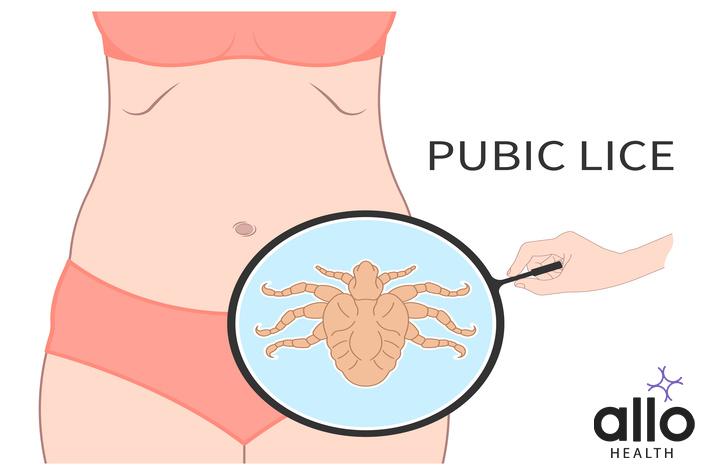
- Pubic lice are tiny insects that infest the pubic hair and genital region.
- They spread through close physical contact, including sexual activity, but can also transfer through sharing contaminated clothing or bedding.
- Symptoms include intense itching in the genital area, visible lice or eggs in pubic hair, and sometimes blue spots or tiny blood spots on the skin.
Seeking Medical Help
- Upon suspecting a pubic lice infestation, it's essential to seek medical advice promptly.
- A healthcare provider can confirm the diagnosis and recommend appropriate treatment.
- Treatment typically involves using medicated creams or shampoos that kill the lice and their eggs.
Managing Physical Symptoms
- To alleviate itching, cool compresses or over-the-counter anti-itch creams can provide temporary relief.
- Avoid scratching to prevent skin irritation and infection.
- Carefully follow the treatment regimen prescribed by your healthcare provider to ensure effective elimination of pubic lice.
Home Remedies and Prevention
- While home remedies like shaving or using vinegar may be suggested, they're often ineffective and may cause skin irritation.
- To prevent re-infestation, wash all clothing, bedding, and towels in hot water and vacuum carpets and furniture.
- Avoid sharing personal items like clothing, towels, or razors to minimize the risk of spreading pubic lice.
Coping Strategies
- Dealing with pubic lice can evoke various emotions, including embarrassment, shame, and anxiety.
- Remind yourself that pubic lice infestations are common and do not reflect personal hygiene or morality.
- It may help to confide in a trusted friend or family member for emotional support.
Education and Awareness
- Educate yourself about pubic lice to dispel myths and misconceptions.
- Understanding that anyone can get pubic lice can help reduce stigma and shame associated with the condition.
- Encourage open communication about sexual health to promote awareness and prevention.
Psychological Support
- If feelings of embarrassment or shame persist, consider seeking support from a mental health professional.
- Therapy can provide a safe space to explore and address underlying emotions related to pubic lice infestation.
- Online support groups or forums may also offer a sense of community and validation for individuals dealing with similar experiences.
Communication in Relationships
- If you're in a relationship, open and honest communication about pubic lice is crucial.
- Discussing STIs and sexual health can strengthen trust and intimacy in the relationship.
- Reassure your partner that pubic lice infestation does not reflect infidelity or neglect.
Self-Care and Stress Management
- Engage in self-care activities that promote relaxation and stress relief, such as meditation, yoga, or spending time in nature.
- Practice self-compassion and avoid self-blame for the pubic lice infestation.
- Prioritize activities that bring joy and fulfillment to your life to maintain overall well-being.
Moving Forward
- Pubic lice infestations are treatable, and with proper care and support, most people recover without complications.
- Focus on self-care, prevention strategies, and maintaining open communication about sexual health.
- Remember that seeking help, whether medical or psychological, is a sign of strength, not weakness.
Managing pubic lice involves a combination of medical treatment, coping strategies, and psychological support. By educating oneself, seeking appropriate care, and prioritizing emotional well-being, individuals can navigate through this challenging experience with resilience and dignity. Remember, you're not alone, and there are resources and support available to help you through this temporary setback in your sexual health journey.

Disclaimer
The following blog article provides general information and insights on various topics. However, it is important to note that the information presented is not intended as professional advice in any specific field or area. The content of this blog is for general educational and informational purposes only. The content should not be interpreted as endorsement, recommendation, or guarantee of any product, service, or information mentioned. Readers are solely responsible for the decisions and actions they take based on the information provided in this blog. It is essential to exercise individual judgment, critical thinking, and personal responsibility when applying or implementing any information or suggestions discussed in the blog.
Most Asked Questions
What are pubic lice (crabs) and how do you get them?
Pubic lice are tiny parasitic insects that live in coarse human body hair, such as pubic hair. They are usually transmitted through close personal contact, including sexual activity.
How can I treat pubic lice (crabs)?
Treatment typically involves using medicated shampoos or creams that kill the lice and their eggs (nits). It's important to follow the treatment instructions carefully and to wash any clothing, bedding, or towels that may have come into contact with the lice.
How can I cope with the emotional impact of having pubic lice (crabs)?
Coping emotionally with pubic lice can be challenging due to the stigma associated with them. It's important to remind yourself that they are a common issue and do not reflect on your personal hygiene. Talking to a healthcare professional or a counselor can help manage any feelings of embarrassment or anxiety.
Can pubic lice (crabs) affect my overall health?
Pubic lice themselves do not pose a serious health risk, but they can cause discomfort and irritation. However, their presence may indicate a risk of other sexually transmitted infections (STIs), so it's important to get tested for other STIs if you discover you have pubic lice.
How can I prevent getting pubic lice (crabs) in the future?
To reduce the risk of getting pubic lice, practice safe sex by using condoms during sexual activity. Avoid sharing towels, clothing, or bedding with someone who has pubic lice. Regularly inspecting and maintaining personal hygiene can also help prevent infestations.