Managing Gonorrhea: Coping and Psychological Support
Written by Anoush Gomes

Anoush Gomes is a seasoned Content Writer with over 10 years of experience, specializing in various writing styles such as medical content, creative writing, storytelling, and research papers. Anoush embarked on a unique journey, starting with pre-medical studies at the Dante Aligheri Academy and the University of Miami, where she earned a Bachelor's degree with a major in Biology and a minor in Psychology.Having pursued medical school and completed clinicals, Anoush transitioned to the world of medical content writing, where her passion for both healthcare and writing converged. Her writing skills encompass persuasive, narrative, expository, and descriptive styles, making complex medical concepts accessible to diverse audiences.Beyond her professional endeavors, Anoush is a multi-faceted individual with a rich tapestry of interests. A writer, artist, poet, avid reader, certified nerd, and hopeful author, she finds inspiration in the intersection of creativity and science.Whether crafting engaging medical narratives or weaving captivating stories, Anoush combines her diverse background and writing expertise to deliver compelling content that resonates with diverse audiences.
•
June 12, 2024
Our experts continually monitor the health and wellness space, and we update our articles when new information becomes available.
Gonorrhea, a sexually transmitted infection (STI), can present challenges beyond physical symptoms. Coping emotionally and receiving psychological support are crucial components of managing gonorrhea effectively. This article offers detailed guidance on coping strategies and the importance of psychological interventions for individuals diagnosed with gonorrhea.
Understanding Gonorrhea
Gonorrhea, caused by the bacterium Neisseria gonorrhoeae, can affect the genitals, rectum, and throat. Symptoms may include painful urination, abnormal discharge, and pelvic discomfort. However, some individuals may be asymptomatic, underscoring the importance of regular STI testing for early detection and treatment.
Medical Management
Treatment typically involves antibiotics prescribed by healthcare providers. To ensure effective management:
- Complete the Full Course: Finish the prescribed antibiotics even if symptoms subside.
- Attend Follow-Up Appointments: Confirm the infection's eradication and address any complications.
- Notify Sexual Partners: Encourage partners to seek testing and treatment to prevent reinfection and further transmission.
Emotional Impact
Receiving a gonorrhea diagnosis can trigger various emotions, including:
- Shock: Surprise or disbelief at the diagnosis.
- Embarrassment: Feelings of shame or stigma associated with STIs.
- Fear: Concerns about health implications or the reaction of others.
- Anger: Frustration over the situation or perceived injustices.

Coping Strategies
- Educate Yourself: Gaining knowledge about gonorrhea can demystify the condition and alleviate anxiety. Seek information from reputable sources like healthcare providers, sexual health organizations, or reliable websites.
- Communicate Openly: Engage in open dialogue with healthcare providers to address concerns and receive clarity on treatment options. Effective communication fosters understanding and empowers individuals to make informed decisions about their health.
- Seek Support:
- Personal Support Network:
- Therapy or Counseling: Consider therapy sessions to navigate the emotional impact of a gonorrhea diagnosis. Therapists can provide coping strategies and tools to manage stress, anxiety, and relationship dynamics.
- Support Groups: Joining support groups, whether in-person or online, connects individuals with peers who share similar experiences. Sharing stories, receiving advice, and offering support within these communities can be invaluable.
- Personal Support Network:
- Professional Support:
- Friends and Family: Lean on trusted individuals for emotional support and understanding.
- Partner: Involve partners in the treatment process to foster mutual support and strengthen the relationship.
Practice Self-Compassion
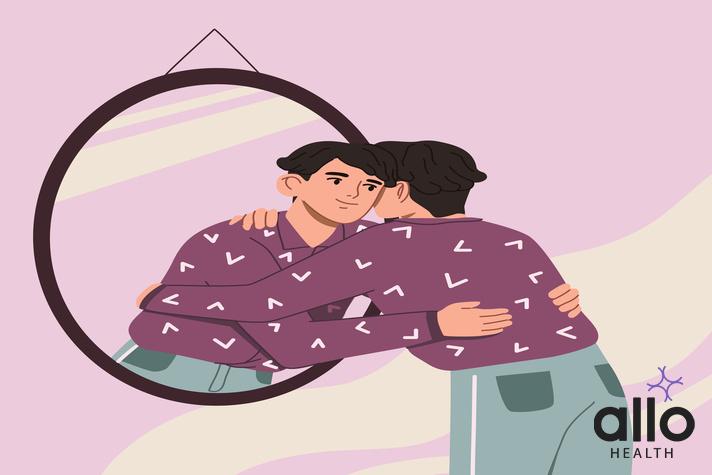
Be kind to yourself and recognize that contracting an STI does not diminish your worth or identity. Practice self-care activities that promote mental and emotional well-being, such as mindfulness, relaxation techniques, or engaging in hobbies.

Stay Informed
Continuously educate yourself about gonorrhea, including prevention strategies, treatment advancements, and available resources. Being informed empowers individuals to advocate for their health and navigate the healthcare system effectively.
Psychological Support Interventions
Therapy:
- Individual Therapy:
- Cognitive-Behavioral Therapy (CBT): CBT techniques can help challenge negative thought patterns and develop coping mechanisms to manage anxiety and stress.
- Trauma-Informed Therapy: For individuals experiencing trauma or intense emotional distress, trauma-informed therapy provides a supportive environment for healing and processing emotions.
- Couples or Family Therapy:
- Relationship Enhancement: Therapy sessions can strengthen communication skills and enhance intimacy between partners.
- Education and Support: Couples or family therapy sessions offer an opportunity to learn about sexual health together and address concerns as a unit.
-
- Peer Support: Interacting with others who understand the challenges of living with an STI can reduce feelings of isolation and foster a sense of belonging.
- Information Sharing: Support groups facilitate the exchange of knowledge, resources, and coping strategies among members.
Mindfulness and Stress Reduction
- Mindfulness Practices:
- Mindful Meditation: Incorporate mindfulness meditation into daily routines to promote relaxation and emotional resilience.
- Yoga and Tai Chi: Physical practices like yoga or tai chi combine movement with mindfulness, reducing stress and improving overall well-being.
Stress Reduction Techniques:

- Deep Breathing Exercises: Practice deep breathing techniques to calm the nervous system and alleviate stress.
- Journaling: Expressing thoughts and emotions through journaling can provide therapeutic relief and promote self-reflection.
Moving Forward
Managing gonorrhea extends beyond medical treatment to encompass emotional well-being and psychological support. By employing coping strategies, seeking professional assistance, and engaging in supportive communities, individuals can navigate the challenges of gonorrhea diagnosis with resilience and empowerment. Remember, you are not alone, and support is available to help you through this journey towards healing and recovery.

Disclaimer
The following blog article provides general information and insights on various topics. However, it is important to note that the information presented is not intended as professional advice in any specific field or area. The content of this blog is for general educational and informational purposes only. The content should not be interpreted as endorsement, recommendation, or guarantee of any product, service, or information mentioned. Readers are solely responsible for the decisions and actions they take based on the information provided in this blog. It is essential to exercise individual judgment, critical thinking, and personal responsibility when applying or implementing any information or suggestions discussed in the blog.
Most Asked Questions
What are the emotional effects of being diagnosed with gonorrhea?
Being diagnosed with gonorrhea can evoke a range of emotions including fear, shame, embarrassment, and anxiety. Individuals may worry about their health, transmitting the infection to others, and the impact on their relationships.
How can I cope with the stigma associated with gonorrhea?
Coping with the stigma of gonorrhea involves self-compassion, education about the infection, and seeking support from trusted friends, family, or healthcare professionals. Remember, gonorrhea is a common and treatable infection, and seeking treatment is a responsible action.
What strategies can I use to manage anxiety or depression related to gonorrhea diagnosis?
Engage in self-care practices such as exercise, mindfulness, and maintaining a healthy lifestyle. Additionally, consider seeking therapy or counseling to address any underlying anxiety or depression. Support groups or online communities may also provide a sense of solidarity and understanding.
How can I communicate with my partner(s) about my gonorrhea diagnosis?
Open and honest communication is crucial when discussing gonorrhea with partners. Choose a time and place where you both feel comfortable, and provide factual information about the infection, its treatment, and prevention measures. Encourage your partner(s) to seek testing and treatment if necessary.
Where can I find additional support and resources for managing gonorrhea?
Reach out to healthcare professionals, such as doctors, nurses, or sexual health counselors, for guidance and support. Local or online support groups may offer valuable insights and emotional support from individuals who have experienced similar situations. Additionally, reputable websites and organizations dedicated to sexual health can provide reliable information and resources.