Managing Chlamydia : Coping and Psychological Support
Written by Anoush Gomes

Anoush Gomes is a seasoned Content Writer with over 10 years of experience, specializing in various writing styles such as medical content, creative writing, storytelling, and research papers. Anoush embarked on a unique journey, starting with pre-medical studies at the Dante Aligheri Academy and the University of Miami, where she earned a Bachelor's degree with a major in Biology and a minor in Psychology.Having pursued medical school and completed clinicals, Anoush transitioned to the world of medical content writing, where her passion for both healthcare and writing converged. Her writing skills encompass persuasive, narrative, expository, and descriptive styles, making complex medical concepts accessible to diverse audiences.Beyond her professional endeavors, Anoush is a multi-faceted individual with a rich tapestry of interests. A writer, artist, poet, avid reader, certified nerd, and hopeful author, she finds inspiration in the intersection of creativity and science.Whether crafting engaging medical narratives or weaving captivating stories, Anoush combines her diverse background and writing expertise to deliver compelling content that resonates with diverse audiences.
•
July 30, 2026
Our experts continually monitor the health and wellness space, and we update our articles when new information becomes available.
Chlamydia, a common sexually transmitted infection (STI), not only affects physical health but also has significant psychological implications. Managing chlamydia involves more than just medical treatment; it requires coping with the emotional impact and seeking psychological support to ensure holistic well-being.
Understanding Chlamydia
Chlamydia is caused by the bacterium Chlamydia trachomatis and spreads through sexual contact. It often remains asymptomatic, especially in its early stages, leading to delayed diagnosis and potential complications such as pelvic inflammatory disease (PID) and infertility. Immediate Steps After Diagnosis
- Medical Treatment: Promptly following the prescribed antibiotic treatment is crucial to clear the infection and prevent complications. Completing the full course of antibiotics as directed by your healthcare provider is essential.
- Partner Notification: Informing recent sexual partners about your diagnosis is vital to prevent further transmission. Your healthcare provider can offer guidance on partner notification methods while maintaining confidentiality.
Coping with the Diagnosis
Receiving a chlamydia diagnosis can evoke various emotions, including shock, embarrassment, guilt, or anxiety. Coping strategies include:
- Education: Educate yourself about chlamydia, its treatment, and potential outcomes. Reliable sources such as healthcare professionals or reputable websites can provide accurate information, dispelling myths and reducing anxiety.
- Acceptance: Allow yourself to acknowledge and accept your feelings without judgement. It's normal to experience a mix of emotions, and processing them is an essential step in coping.
- Seeking Support: Reach out to trusted friends, family, or support groups for emotional support. Discussing your concerns with others who understand can provide validation and comfort.

Psychological Support
Addressing the psychological impact of a chlamydia diagnosis is crucial. Consider the following interventions:
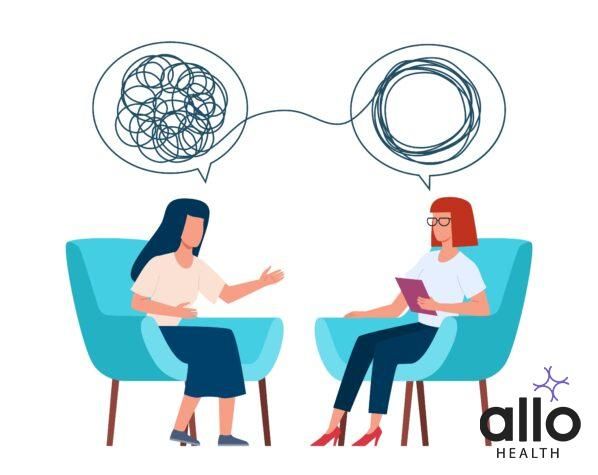
- Therapy/Counseling: Professional therapy or counseling can provide a safe space to explore your feelings, develop coping strategies, and challenge negative thought patterns associated with the diagnosis. Cognitive-behavioral therapy (CBT) may be particularly beneficial.
- Support Groups: Joining a support group for individuals with STIs or chlamydia specifically can offer a sense of community and shared experience. Connecting with others facing similar challenges can reduce feelings of isolation and provide valuable emotional support.
Maintaining Mental Well-being
In addition to seeking psychological support, adopting healthy coping mechanisms and self-care practices can promote mental well-being:

- Self-Care: Engage in activities that promote relaxation and self-nurturing, such as exercise, meditation, or hobbies. Taking care of your physical health by eating nutritious foods and getting enough sleep is essential for emotional resilience.
- Positive Outlook: Focus on the fact that chlamydia is treatable, and with proper care, you can recover fully. Cultivate optimism and self-compassion, challenging negative beliefs about yourself and your situation.
- Healthy Relationships: Foster open communication and trust in your relationships, particularly regarding sexual health. Discussing STI testing, boundaries, and safer sex practices with your partners can reduce anxiety and promote mutual understanding.
Preventing Future Infections
Taking proactive steps to prevent future chlamydia infections and other STIs is crucial:
- Safe Sex Practices: Consistently use condoms or dental dams during sexual activity to reduce the risk of STI transmission. Using water-based lubricants with latex condoms can also prevent breakage.
- Regular Testing: Undergo routine STI screenings, especially if sexually active with multiple partners or engaging in high-risk behaviors. Early detection and treatment are key to preventing complications and reducing transmission rates.
- Partner Reduction: Limiting the number of sexual partners and practicing mutual monogamy can lower the risk of exposure to STIs. Open and honest communication with sexual partners about STI testing and safer sex practices is essential for maintaining sexual health.
Long-Term Outlook
Managing chlamydia involves a comprehensive approach that addresses both physical and psychological aspects. By seeking psychological support, adopting healthy coping strategies, and practicing preventive measures, individuals can navigate the challenges of a chlamydia diagnosis, reduce stress, and maintain overall well-being. Remember, reaching out for help is a sign of strength, and with the right support, you can overcome the challenges and lead a fulfilling life.

Disclaimer
The following blog article provides general information and insights on various topics. However, it is important to note that the information presented is not intended as professional advice in any specific field or area. The content of this blog is for general educational and informational purposes only. The content should not be interpreted as endorsement, recommendation, or guarantee of any product, service, or information mentioned. Readers are solely responsible for the decisions and actions they take based on the information provided in this blog. It is essential to exercise individual judgment, critical thinking, and personal responsibility when applying or implementing any information or suggestions discussed in the blog.
Most Asked Questions
What are the common emotional reactions to a chlamydia diagnosis?
Receiving a diagnosis of chlamydia can trigger various emotional responses, including shock, embarrassment, guilt, and anxiety. Individuals may worry about their health, relationships, and the potential stigma associated with sexually transmitted infections.
How can I cope with the emotional impact of a chlamydia diagnosis?
Coping strategies include seeking support from friends, family, or healthcare professionals, practicing self-compassion, and educating yourself about the infection. Remember that chlamydia is treatable, and seeking timely medical care is essential for your well-being.
What can I do to address feelings of stigma and shame associated with chlamydia?
Combatting stigma involves challenging negative beliefs and perceptions about sexually transmitted infections. Educate yourself and others about chlamydia, promote open dialogue, and seek support from non-judgmental sources such as healthcare providers or support groups.
How can I manage anxiety or depression related to a chlamydia diagnosis?
Engage in self-care practices such as exercise, meditation, and maintaining a healthy lifestyle to manage anxiety and depression. Consider therapy or counseling to address any underlying emotional concerns, and seek support from trusted individuals or support groups.
How should I communicate with my partner(s) about my chlamydia diagnosis?
Approach the conversation with honesty, empathy, and factual information about chlamydia, its transmission, and treatment. Encourage your partner(s) to get tested and treated if necessary, and discuss strategies for preventing future infections, such as practicing safe sex and regular testing.
Where can I find additional support and resources for managing chlamydia?
Seek guidance from healthcare professionals, such as doctors or sexual health counselors, who can provide accurate information and support. Explore local or online support groups for individuals affected by chlamydia, and utilize reputable websites and organizations dedicated to sexual health.