Physical Changes with Aging
Written by Aditi Mallick

Aditi, a dynamic individual with a background in Chemistry, initially embarked on her professional journey as an Associate Content Developer at Byju's. Transitioning from an academic content reviewer to a creative force in the content creation team, she demonstrated prowess in crafting SEO-driven academic content, impactful presentations, and video reviews. Seeking new challenges, Aditi redirected her career towards professional content and copywriting, joining MyCaptain. Along this transformative path, she mastered design skills using software like Photoshop and Illustrator, creating visually striking posts for various brands and websites. Today, Aditi stands as a seasoned Medical writer, seamlessly transitioning from her roots as an academic writer. Join her on this exciting journey as she shares insights and expertise in content creation and medical writing.
•
July 30, 2026
Our experts continually monitor the health and wellness space, and we update our articles when new information becomes available.
Aging is a natural process that everyone experiences. As we grow older, our bodies undergo various changes that can affect our physical abilities, appearance, and overall health. Understanding these changes can help us better prepare for and adapt to the aging process, allowing us to maintain our quality of life and independence for as long as possible. This article will explore the physical changes associated with aging, including changes in the skin, muscles, bones, cardiovascular system, respiratory system, digestive system, and sensory organs.
Skin
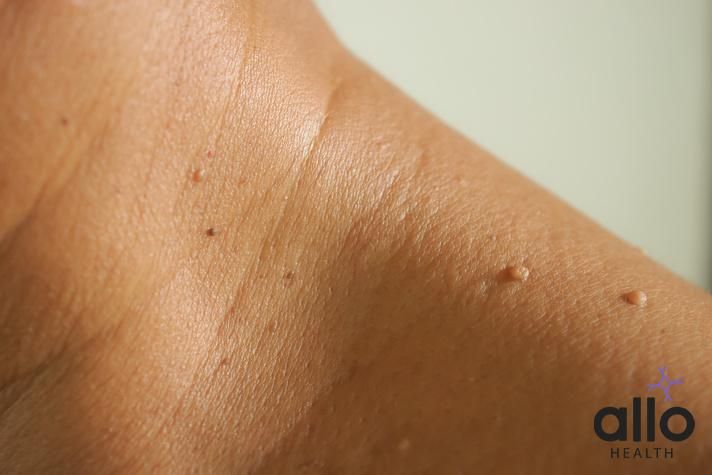
- One of the most noticeable signs of aging is the changes in our skin. As we age, our skin becomes thinner, less elastic, and more fragile. This is due to a decrease in the production of collagen and elastin, two proteins that help keep our skin firm and supple. Additionally, the skin's ability to retain moisture diminishes, leading to dryness and the formation of wrinkles.
- Other skin changes include the appearance of age spots, which are flat, brown, or black spots that typically occur on areas of the skin that have been exposed to the sun, such as the face, hands, and arms. These spots are caused by an increase in melanin production, the pigment that gives our skin its color.
Muscles And Bones
- Aging also affects our muscles and bones. Muscle mass and strength tend to decrease with age, a condition known as sarcopenia. This decline in muscle mass can lead to reduced mobility, balance problems, and an increased risk of falls and fractures. Regular physical activity, including strength training exercises, can help slow down the loss of muscle mass and maintain strength.
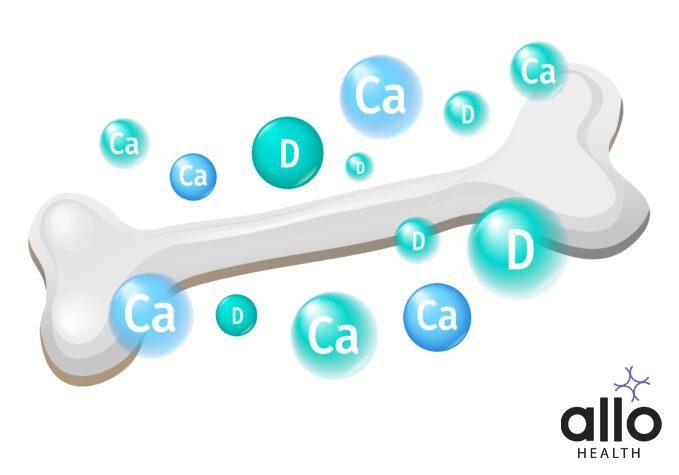
- Bone density also decreases with age, leading to a condition known as osteoporosis. This makes bones more brittle and prone to fractures, even from minor falls or injuries. Adequate intake of calcium and vitamin D, along with weight-bearing exercises, can help maintain bone health and reduce the risk of osteoporosis.
Cardiovascular System
- The cardiovascular system undergoes significant changes with aging. The walls of the blood vessels, including arteries and veins, become thicker and less elastic. This can lead to an increase in blood pressure and a higher risk of developing cardiovascular diseases such as hypertension, heart disease, and stroke.
- The heart itself may also change. The heart muscle can become thicker and less efficient at pumping blood, leading to a condition known as diastolic dysfunction. This can result in reduced blood flow to the organs and tissues, causing fatigue, shortness of breath, and other symptoms.
The respiratory system is also affected by aging. The lung tissue becomes less elastic, and the muscles involved in breathing may weaken. This can result in reduced lung capacity and efficiency, making it more difficult to breathe deeply and take in enough oxygen. These changes can contribute to a higher risk of respiratory infections and diseases, such as chronic obstructive pulmonary disease (COPD).
Digestive System
- Aging can impact the digestive system in several ways. The muscles in the digestive tract can weaken, leading to slower movement of food through the intestines. This can result in constipation and other digestive issues. Additionally, the production of digestive enzymes and stomach acid may decrease, making it more difficult to digest certain foods and absorb nutrients.
- Changes in the digestive system can also affect the metabolism. As we age, our metabolism tends to slow down, leading to weight gain and changes in body composition. Maintaining a healthy diet, staying hydrated, and engaging in regular physical activity can help support digestive health and metabolism.
Sensory Organs
- Our sensory organs, including our eyes, ears, and taste buds, change with aging as well. Vision changes are common, with many older adults experiencing presbyopia, a condition that makes it difficult to focus on close objects. Cataracts, which cause clouding of the lens in the eye, and age-related macular degeneration, which affects central vision, are also common.
- Hearing loss is another common issue, often due to age-related changes in the inner ear or the auditory nerve. This can make it difficult to hear high-pitched sounds, understand speech, and follow conversations, especially in noisy environments. Hearing aids and other assistive devices can help improve hearing and communication.
- Taste and smell can also be affected by aging. The number of taste buds decreases, and the sense of smell can diminish, making it more difficult to enjoy and detect flavors. This can lead to changes in appetite and food preferences, which may impact nutrition.
Cognitive Changes
- In addition to physical changes, aging can also affect cognitive function. While some cognitive decline is a normal part of aging, significant memory loss or cognitive impairment is not. It's important to distinguish between normal age-related changes and conditions such as dementia or Alzheimer's disease.
- Normal cognitive changes with aging may include slower processing speed, difficulty multitasking, and occasional forgetfulness. However, older adults can still learn new skills and retain their ability to think critically and solve problems. Staying mentally active through activities such as reading, puzzles, social engagement, and lifelong learning can help maintain cognitive function.
Maintaining Health And Wellness

- Stay Active: Engage in regular physical activity, including aerobic exercise, strength training, and flexibility exercises. This can help maintain muscle mass, bone density, cardiovascular health, and overall mobility.
- Eat a Balanced Diet: Focus on a nutrient-rich diet that includes a variety of fruits, vegetables, whole grains, lean proteins, and healthy fats. Ensure adequate intake of calcium and vitamin D for bone health, and stay hydrated.
- Get Regular Check-Ups: Regular medical check-ups can help detect and manage age-related health issues. Follow your healthcare provider's recommendations for screenings and preventive care.
- Protect Your Skin: Use sunscreen, wear protective clothing, and avoid excessive sun exposure to protect your skin from damage and reduce the risk of skin cancer.
- Maintain a Healthy Weight: A healthy weight can reduce the risk of chronic diseases such as diabetes, heart disease, and arthritis. Monitor your weight and make lifestyle adjustments as needed.

Aging is a natural and inevitable part of life that brings about various physical changes. By understanding these changes and taking proactive steps to maintain health and wellness, we can adapt to the aging process and continue to lead fulfilling and active lives. Embracing a healthy lifestyle, staying active, and seeking regular medical care can help mitigate the effects of aging and support overall well-being.

Disclaimer
The following blog article provides general information and insights on various topics. However, it is important to note that the information presented is not intended as professional advice in any specific field or area. The content of this blog is for general educational and informational purposes only. The content should not be interpreted as endorsement, recommendation, or guarantee of any product, service, or information mentioned. Readers are solely responsible for the decisions and actions they take based on the information provided in this blog. It is essential to exercise individual judgment, critical thinking, and personal responsibility when applying or implementing any information or suggestions discussed in the blog.
Most Asked Questions
What are the common physical changes that occur with aging?
Common physical changes with aging include: Skin: Wrinkles, age spots, and thinning skin. Bones and Joints: Decreased bone density, arthritis, and reduced flexibility. Muscles: Loss of muscle mass and strength. Vision and Hearing: Decline in eyesight and hearing abilities. Cardiovascular System: Increased blood pressure and reduced heart efficiency.
How does aging affect bone health?
Aging leads to decreased bone density, making bones more fragile and prone to fractures. Osteoporosis, a condition where bones become brittle, is common among older adults. Maintaining a diet rich in calcium and vitamin D, along with regular weight-bearing exercises, can help maintain bone health.
What changes occur in the skin with aging?
Aging skin becomes thinner, less elastic, and more prone to wrinkles and sagging. Age spots and dryness are also common. Protecting the skin from sun exposure, staying hydrated, and using moisturizers can help maintain skin health.
How does aging impact muscle mass and strength?
Muscle mass and strength typically decline with age, a condition known as sarcopenia. This can lead to reduced mobility and increased risk of falls. Regular strength training exercises and a protein-rich diet can help slow down muscle loss.
What are the effects of aging on vision and hearing?
Aging often results in diminished vision and hearing. Common issues include presbyopia (difficulty seeing close objects), cataracts, and age-related hearing loss. Regular eye and ear check-ups, using corrective lenses, and hearing aids can help manage these changes.