Bacterial Vaginosis (BV) Effective Treatment Options
Written by Aditi Mallick

Aditi, a dynamic individual with a background in Chemistry, initially embarked on her professional journey as an Associate Content Developer at Byju's. Transitioning from an academic content reviewer to a creative force in the content creation team, she demonstrated prowess in crafting SEO-driven academic content, impactful presentations, and video reviews. Seeking new challenges, Aditi redirected her career towards professional content and copywriting, joining MyCaptain. Along this transformative path, she mastered design skills using software like Photoshop and Illustrator, creating visually striking posts for various brands and websites. Today, Aditi stands as a seasoned Medical writer, seamlessly transitioning from her roots as an academic writer. Join her on this exciting journey as she shares insights and expertise in content creation and medical writing.
•
July 30, 2026
Our experts continually monitor the health and wellness space, and we update our articles when new information becomes available.

Bacterial Vaginosis (BV) is a common vaginal infection caused by an imbalance of bacteria in the vagina. It can lead to symptoms such as unusual vaginal discharge, itching, and a strong fishy odor. BV is not a sexually transmitted infection (STI), but it can increase the risk of contracting STIs. Effective treatment options for BV aim to restore the balance of bacteria in the vagina and alleviate symptoms.
Most Commonly Used And Effective Treatments For BV
- Antibiotics:

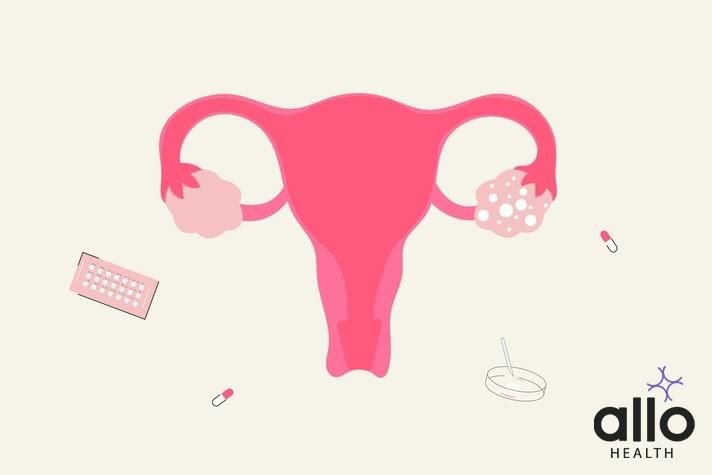
It's crucial to consult a healthcare provider for an accurate diagnosis and appropriate treatment for BV. Left untreated, BV can lead to complications such as pelvic inflammatory disease (PID) or an increased risk of contracting STIs. Additionally, healthcare providers can recommend lifestyle changes and preventive measures to help reduce the risk of recurrent BV episodes. So, several effective treatment options are available for bacterial vaginosis, including antibiotics, probiotics, and alternative remedies. Consulting a healthcare provider is essential for proper diagnosis and personalized treatment planning.

Disclaimer
The following blog article provides general information and insights on various topics. However, it is important to note that the information presented is not intended as professional advice in any specific field or area. The content of this blog is for general educational and informational purposes only. The content should not be interpreted as endorsement, recommendation, or guarantee of any product, service, or information mentioned. Readers are solely responsible for the decisions and actions they take based on the information provided in this blog. It is essential to exercise individual judgment, critical thinking, and personal responsibility when applying or implementing any information or suggestions discussed in the blog.
Most Asked Questions
What is Bacterial Vaginosis (BV), and what are its symptoms?
Bacterial Vaginosis (BV) is a common vaginal infection caused by an imbalance of bacteria in the vagina. Symptoms may include abnormal vaginal discharge, often described as grayish-white and watery, along with a strong fishy odor, especially noticeable after sex.
What are the effective treatment options for Bacterial Vaginosis (BV)?
Effective treatment options for BV include antibiotic medications prescribed by a healthcare professional. Commonly used antibiotics include metronidazole, clindamycin, and tinidazole. These medications can be administered orally or as vaginal creams or gels.
How long does it take for BV treatment to work?
Typically, BV treatment with antibiotics starts showing improvement within a few days. However, it's essential to complete the full course of medication as prescribed by your healthcare provider to ensure complete eradication of the infection and prevent recurrence.
Are there any home remedies or over-the-counter treatments for BV?
While there are home remedies and over-the-counter products marketed for BV, it's crucial to consult a healthcare professional for an accurate diagnosis and appropriate treatment. Home remedies like douching or using natural products may not effectively treat BV and can sometimes worsen the condition.
How can I prevent recurring BV infections?
To help prevent recurring BV infections, it's essential to maintain good vaginal hygiene, avoid douching, use mild, unscented soaps for cleansing, wear cotton underwear, and practice safe sex. Regular visits to your healthcare provider can also help monitor and manage any recurring BV issues effectively.