Does Tramadol Cause Erectile Dysfunction?
Written by Dr. Deepali Anand

Dr. Deepali is a medical writer and healthcare professional with a background in clinical surgery and patient care. Having transitioned from active clinical practice to medical communications, she specializes in bridging the gap between complex clinical data and patient education. Dr. Deepali is dedicated to creating evidence-based content that is grounded in scientific rigor and empathy, ensuring that sensitive topics like sexual wellness and mental health are accessible and empowering for every reader.
•
July 30, 2026
Our experts continually monitor the health and wellness space, and we update our articles when new information becomes available.
Quick Read
Tramadol can cause erectile dysfunction and lower libido, especially with long-term or high-dose use. The medication disrupts hormones (lowering testosterone and raising prolactin), interferes with serotonin and norepinephrine signaling, and can even damage testicular tissue over time. Short-term users face minimal risk (less than 1% experience ED), and the condition is usually reversible once the medication is stopped or reduced under medical supervision, most men recover within days to weeks. If you're experiencing sexual side effects, consult your doctor about adjusting your dosage, switching to safer pain alternatives like NSAIDs or physical therapy, or exploring ED treatments such as Viagra or Cialis. Always taper off Tramadol gradually with professional guidance to avoid withdrawal symptoms and support full recovery of sexual function.
Yes, tramadol causes erectile dysfunction, particularly with long-term or high-dose use. It works by suppressing the hypothalamic-pituitary-gonadal axis, which lowers testosterone and raises prolactin. It also interferes with serotonin and norepinephrine signaling, both of which are involved in sexual arousal and erection quality.
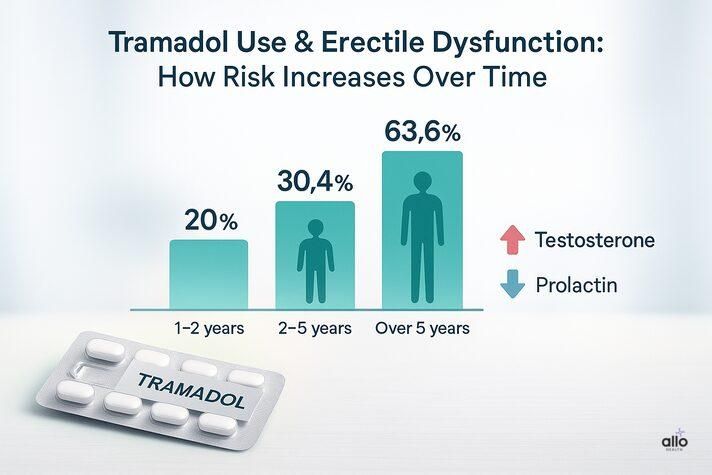
Research shows that 44% of men who are dependent on tramadol experience erectile dysfunction, and 48% report a significant drop in libido. The risk increases with duration of use; 20% of men using tramadol for 1 to 2 years develop ED, rising to 63.6% in men using it for over 5 years.
The good news is that tramadol-related ED is usually reversible. Most men see improvement within days to weeks after stopping or reducing the medication under medical supervision. Do not stop tramadol abruptly as it is an opioid and sudden cessation causes withdrawal symptoms.
This article explains how it affects hormones, nerve function, and erections and offers practical, doctor-backed steps to help you recover safely and confidently.

Allo asks
Have you ever noticed changes in your sexual performance while taking Tramadol?

Can Tramadol Cause Erectile Dysfunction?
Yes, Tramadol, a common pain management medication, can cause erectile dysfunction, especially when taken in high doses or for a long time, through hormonal disruption, serotonin interference, and in cases of long-term use, damage to testicular tissue that produces testosterone.
Research[1] shows that chronic use can affect hormone levels; it may lower testosterone and raise prolactin, both of which play key roles in libido and erections — a pattern also seen with Amitriptyline and sex drive.
Interestingly, it is sometimes prescribed off-label to treat premature ejaculation, but it’s important to understand the full picture before considering it for sexual benefits.[2]
The severity of erectile dysfunction often depends on how much Tramadol a person takes and for how long — dose-dependence is also a theme in antidepressants and ED. In one study[3]:

- 20% of men dependent on Tramadol for 1-2 years had ED.
- 30.4% had ED after 2-5 years of use.
- 63.6% had ED when dependence lasted over 5 years.
In addition, about 48% of chronic users reported a drop in libido, which often appeared alongside erectile issues, and both symptoms worsened with longer use.
The good news is that erectile dysfunction is uncommon among people taking standard therapeutic doses for short-term pain relief, affecting less than 1% of users.[3] That means Tramadol-related ED is mostly a concern for long-term or high-dose use, not typical pain treatment.
According to Allo Health, every 1 in 2 patients has ED, which is based on our internal clinical data of more than 2.5 Lakh patients who come to our clinic.
Let’s take a closer look at why this happens.
Does Tramadol Help Erectile Dysfunction?
No, tramadol does not help erectile dysfunction. Research shows it is more likely to cause or worsen ED than resolve it, particularly with repeated use.
Tramadol is sometimes used off-label to treat premature ejaculation because its serotonin reuptake inhibition delays orgasm. However, this same mechanism that delays ejaculation also blunts sexual arousal and reduces erectile quality over time. Men who use tramadol regularly for premature ejaculation are at significant risk of developing ED as a side effect.
If you are experiencing both premature ejaculation and erectile dysfunction, safer evidence-based options include SSRIs prescribed specifically for PE, behavioural therapy, and PDE5 inhibitors for ED. These should be discussed with a doctor rather than using tramadol off-label.
Why Tramadol May Cause Sexual Side Effects
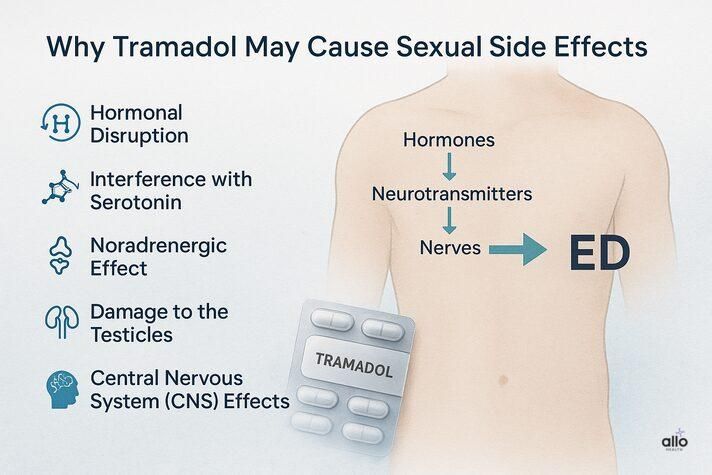
Tramadol causes sexual side effects through five distinct biological pathways, all of which ultimately reduce testosterone availability or impair the nerve signals required for erection. Here’s how it happens:
1. Hormonal Disruption
Tramadol can lower testosterone levels and increase prolactin by suppressing the hypothalamic-pituitary-gonadal (HPG) axis, the system that controls hormone balance.[4]
This hormonal imbalance is one of the main reasons men experience erectile dysfunction and low libido while using Tramadol for long periods.
2. Interference with Serotonin
Tramadol affects serotonin, often called the “feel-good” hormone, by blocking its reuptake in the brain.[5]
While serotonin helps regulate mood, too much serotonin can interfere with sexual arousal and make it harder to achieve or maintain an erection.
3. Noradrenergic Effect
Tramadol also inhibits norepinephrine (noradrenaline) reuptake. This neurotransmitter plays a role in the body’s stress response and blood flow regulation.[6]
When it disrupts these signals, it can further impact erectile function and sexual performance.
4. Damage to the Testicles
Long-term or high-dose use can damage the testicular tissue responsible for producing testosterone and sperm.[7]
Since testosterone is key to healthy erections and overall sexual desire, a drop in its production can contribute to erectile dysfunction — and comorbid anxiety may bring agents like Buspirone and ED into the picture.
5. Central Nervous System (CNS) Effects
Tramadol is an opioid-like pain reliever that acts directly on the central nervous system. This can slow down nerve signaling between the brain and body, affecting sexual stimulation and erection control.
Is Erectile Dysfunction From Tramadol Permanent?
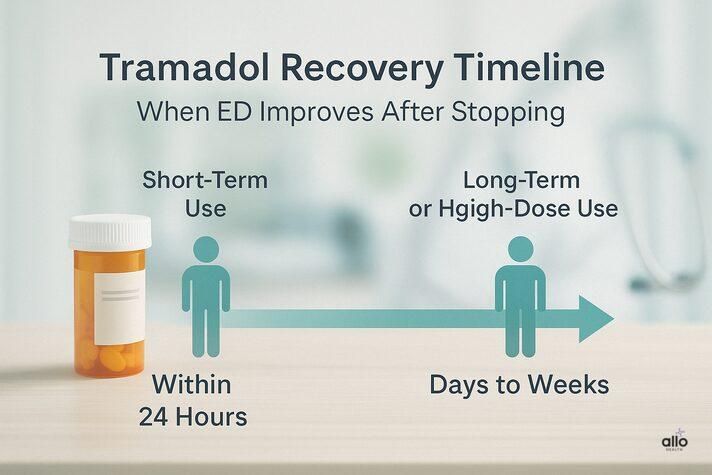
No, erectile dysfunction from tramadol is not permanent in most cases. Function typically returns within days to weeks after stopping or reducing the medication under medical supervision. [3]
| Type of Use | ED Risk | What Happens |
|---|---|---|
| Short-Term Use | Rare | Usually resolves soon after stopping |
| Long-Term / High-Dose Use | Higher Risk | Hormonal imbalance, such as decreased sex hormones and increased prolactin, and possible testicular tissue effects |
Recovery After Stopping Tramadol
Most people notice improvement in erection and desire within days to a few weeks after discontinuing it.
For those who have used it for extended periods or at higher doses, recovery may take longer, but it typically improves with time and medical care.
Do not stop tramadol suddenly on your own, as it can cause other problems; always talk to your doctor and take their advice.
Does Tramadol Lower Testosterone and Affect Sex Drive?
Yes, tramadol lowers testosterone by suppressing the hypothalamic-pituitary-gonadal axis, the hormonal system that controls testosterone production. It also raises prolactin levels, a hormone that further suppresses sex drive when elevated.
Studies show that chronic tramadol users have measurably lower serum testosterone compared to non-users. The drop in testosterone is the primary reason men on tramadol experience reduced libido, weaker erections, and in some cases reduced sperm quality.
If you are experiencing low sex drive while on tramadol, ask your doctor to run a testosterone and prolactin panel to confirm whether hormonal disruption is the cause.
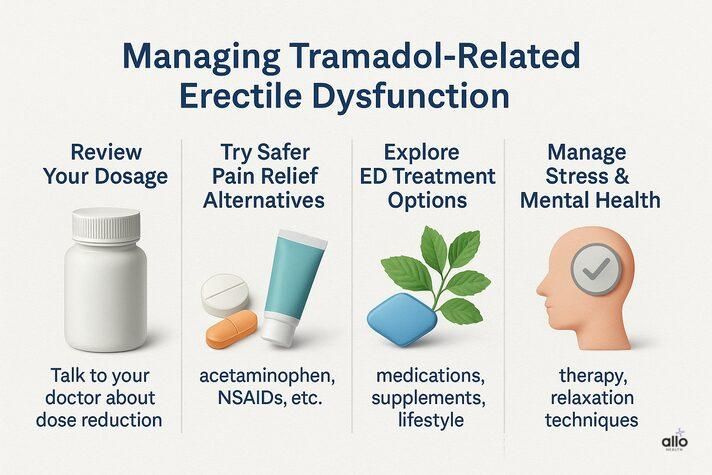
Managing Tramadol-Related Erectile Dysfunction
If you’re experiencing erectile dysfunction while taking Tramadol, the good news is that it’s often treatable and reversible. Here are some effective steps that can help:
1. Review Your Dosage
Always talk to your doctor about your current dose. Sometimes, reducing the dosage or gradually switching to a safer option can help restore normal sexual function.
Never stop Tramadol suddenly; it should be done under medical supervision.
2. Try Safer Pain Relief Alternatives
You don’t always need opioid analgesic to manage pain. Ask your doctor about non-opioid painkillers such as:
- Acetaminophen (Paracetamol)
- Non-steroidal anti-inflammatory drugs (NSAIDs) like ibuprofen or naproxen
For healthy chronic pain, consider non-drug methods such as physiotherapy, mindfulness, yoga, or heat therapy. These can reduce dependence on medications and improve overall well-being.
3. Explore ED Treatment Options
Several medical treatments can help improve erections:
- PDE5 inhibitors like Viagra (sildenafil) or Cialis (tadalafil)
- L-arginine supplements help boost nitric oxide and blood flow.
- A healthy diet and regular exercise, which improve circulation and testosterone levels
These should be used only under a doctor’s advice, especially if you’re still taking pain medication.
4. Manage Stress & Mental Health
Chronic pain and medication-related anxiety can also affect your sex life — some men explore androgen support like Proviron and erectile function in consultation with their doctor. Stress-management techniques, such as deep breathing, meditation, or therapy, can help you feel more in control. Talking to a sex therapist or counselor can also improve confidence and sexual satisfaction.
Bottom Line
Tramadol erectile dysfunction side effects are real, but it’s mostly seen in people who use the medication for a long time or at high doses. If you’re experiencing erection problems or are planning to use Tramadol long-term, it’s important to talk to your doctor about its sexual dysfunctions. With proper guidance, most men can manage or even reverse these side effects safely.

Disclaimer
The following blog article provides general information and insights on various topics. However, it is important to note that the information presented is not intended as professional advice in any specific field or area. The content of this blog is for general educational and informational purposes only. The content should not be interpreted as endorsement, recommendation, or guarantee of any product, service, or information mentioned. Readers are solely responsible for the decisions and actions they take based on the information provided in this blog. It is essential to exercise individual judgment, critical thinking, and personal responsibility when applying or implementing any information or suggestions discussed in the blog.
Most Asked Questions
Can Tramadol cause erectile dysfunction?
Yes. Tramadol can cause erectile dysfunction and reduced libido, especially with long-term or high-dose use. This happens due to hormonal changes (lower testosterone, higher prolactin) and its effect on brain chemicals like serotonin and norepinephrine. ED from Tramadol is usually temporary and reversible once the dosage is reduced or the medicine is stopped under a doctor’s guidance.
How to cure erectile dysfunction caused by Tramadol?
Treatment depends on the cause and duration of Tramadol use. Most men recover naturally after adjusting the dose or switching to a non-opioid painkiller. For faster recovery, doctors may recommend PDE5 inhibitors (like Viagra or Cialis), L-arginine supplements, or lifestyle changes such as regular exercise, a balanced diet, and stress management. Always consult your doctor before stopping or changing any medication.
What are the side effects of Tramadol in men?
Common side effects include nausea, dizziness, constipation, drowsiness, and reduced libido. In some cases, long-term or high-dose use can cause hormonal imbalances, leading to erectile dysfunction or delayed ejaculation. These side effects are typically dose-dependent and can improve once the medication is adjusted or stopped.
Does Tramadol affect testosterone levels?
Yes. Prolonged Tramadol use can lower testosterone and increase prolactin levels by affecting the hypothalamic-pituitary-gonadal (HPG) axis — the system that regulates hormones. This imbalance may reduce sexual desire and contribute to erectile dysfunction. Testosterone levels often return to normal after discontinuing Tramadol under medical supervision.
What is the best pill for erectile dysfunction?
The most commonly prescribed ED medications are PDE5 inhibitors like sildenafil (Viagra), tadalafil (Cialis), and vardenafil (Levitra). These drugs help improve blood flow to the penis and support stronger erections. However, they should be taken only under medical advice, especially if you’re using other medications like Tramadol or have underlying health conditions.
Sources
- 1.
Gonadotoxic effect of tramadol administration: A prospective controlled study
- 2.
Tramadol Use in Premature Ejaculation: Daily Versus Sporadic Treatment
- 3.
Effect of tramadol dependence on male sexual dysfunction
- 4.
A population-level decline in serum testosterone levels in American men
- 5.
Serotonin Syndrome Induced by Combined Use of Tramadol and Escitalopram: A Case Report
- 6.
Tramadol
- 7.
Comparative histological study on the effect of tramadol abuse on the testis of juvenile and adult male albino mice
Why Should You Trust Us?
Why Should You Trust Us?
This article was written by Dr. Deepali Anand, who has more than 1 years of experience in the healthcare industry.
Allo has the expertise of over 50+ doctors who have treated more than 1.5 lakh patients both online and offline across 30+ clinics.
Our mission is to provide reliable, accurate, and practical health information to help you make informed decisions.
For This Article
- We reviewed over 20 top-ranking articles on tramadol, opioid-related sexual dysfunction, and erectile dysfunction to ensure this content is comprehensive, accurate, and up-to-date.
- We analysed peer reviewed clinical studies including a study of 80 tramadol-dependent men showing 44% experienced ED and 48% reported decreased libido, with risk increasing significantly with duration of use.
- Our team referenced insights from over 2,50,000+ sexual health consultations at Allo Health, giving us real-world perspective on how pain medications affect men's sexual health in practice.
- We explored community discussions across Reddit and Drugs.com where men share personal experiences about tramadol and sexual side effects.
- We cross-checked guidance on tapering, withdrawal, and alternative pain management against established opioid prescribing guidelines to ensure the advice here is safe and clinically responsible.