Magnesium for impotence: Is This Mineral the Key?
Written by Dr. Anvi Dogra

Dr. Anvi Dogra is a medical writer and healthcare professional with a doctoral background in clinical sciences. She leverages her medical training to produce deeply researched, people first content across the wellness industries. With a "360-degree" understanding of the healthcare industry, Dr. Anvi focuses on bridge-building between clinical data and patient wellness. Known for her ability to make complex medical topics accessible and engaging, Dr. Anvi ensures that all health information is grounded in clinical evidence.
•
July 30, 2026
Our experts continually monitor the health and wellness space, and we update our articles when new information becomes available.
Quick Read
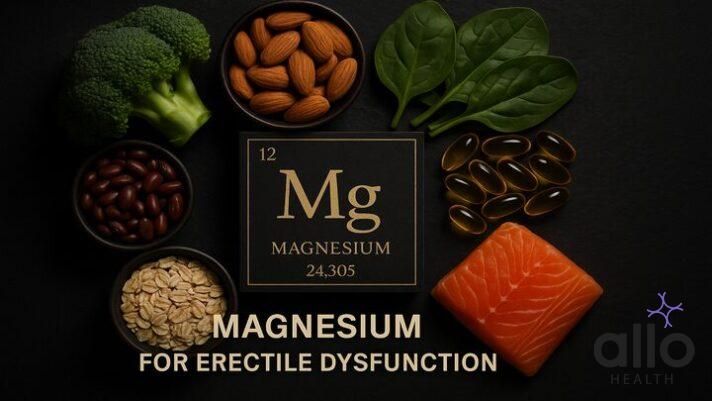
Magnesium plays a vital role in supporting erectile function by helping produce nitric oxide, which relaxes blood vessels and improves blood flow to the penis. Low magnesium levels can impair this process and lead to erectile difficulties. Magnesium also supports nerve function, hormone balance including testosterone, and reduces stress, all important for healthy erections. While magnesium from food sources is generally safe, taking too much magnesium through supplements can cause side effects, so it is important to follow recommended doses and consult a healthcare provider if needed. Maintaining adequate magnesium intake through diet or supplements may help reduce the risk and severity of erectile dysfunction.
Magnesium for impotence is gaining attention as a natural way to support stronger erections. This essential mineral helps the body relax blood vessels, boost nitric oxide, balance hormones, ease stress, and improve nerve signals. All of these factors are important for healthy sexual function. But it's also important to know that too much magnesium, especially from supplements, can cause side effects like stomach upset or more serious issues for people with underlying conditions. In this article, we'll explain the science, benefits, dosage, and safety of using magnesium to support erections.
What Is The Link Between Magnesium And Erections?
Erectile dysfunction (ED) means trouble getting or keeping an erection firm enough for sex. It is a multifactorial condition that may arise due to
- Cardiovascular issues, including heart disease and blood pressure problems
- Hormonal imbalances
- Psychological factors
- Lifestyle choices
Magnesium is an essential mineral involved in over 300 biochemical reactions in the body, including muscle relaxation, nerve function, energy production, and hormone synthesis — comparable to how Avena Sativa supports sexual function through overlapping mechanisms. Since healthy erections require proper blood flow and good nerve function, magnesium can play a much bigger role in sexual health than people may realize. The mineral is particularly important for cardiovascular health, which directly impacts erectile function [1].
How Does Magnesium Affect Erectile Function?
Magnesium plays an important role in supporting erectile function by influencing several key biological processes:
- Magnesium and Nitric Oxide: Magnesium helps in the production of nitric oxide (NO), a vasodilator that signals blood vessels in the penis to relax and widen. This allows more blood to flow in during an erection. When magnesium levels are low, nitric oxide function is impaired, which can reduce blood flow and make erections harder to achieve [2].
- A study on older men with chronic kidney disease found that those with magnesium levels below 1.8 mg/dL were significantly more likely to experience erectile dysfunction, confirming that magnesium plays a crucial role in maintaining healthy circulation for erections [3].
- Magnesium → Nitric Oxide → Vasodilation → Stronger Erections
- Magnesium Deficiency → Poor NO function → Restricted Blood Flow → Weak Erections
- Magnesium and Nerve Function: Magnesium helps nerves send the right signals to start an erection. It controls nerve activity and muscle relaxation, which are important for a normal erection [1].
- Magnesium and stress reduction: Magnesium has been proven a key element involved in mood regulation and stress reduction. Since psychological stress is a known contributor to erectile dysfunction, maintaining sufficient magnesium levels may help improve sexual performance indirectly by reducing performance anxiety [4].
- Magnesium and testosterone: As men age, testosterone levels tend to decline, which can reduce libido, energy, and erection quality. Magnesium plays a supportive role in maintaining healthy testosterone levels by improving testosterone balance [5]. Additionally, magnesium works synergistically with vitamin D to support optimal hormone production [6] [7].
Magnesium deficiency can contribute to penile vasoconstriction by impairing nitric oxide synthesis, which is crucial for proper blood flow during erections. Ensuring adequate magnesium levels is essential for vascular health and optimal erectile function.

How Much Magnesium for Erections?
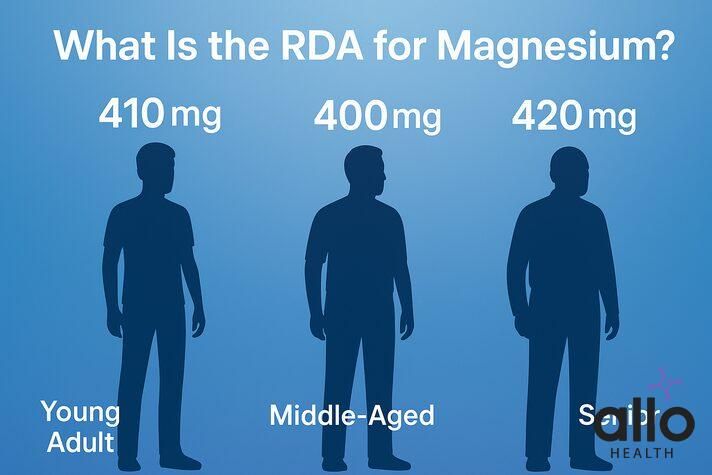
Many men are actively looking for natural ways to support their sexual health, and magnesium often pops up in these conversations — so does yohimbine for erectile dysfunction, which works through entirely different pathways. From Google searches to forums, it's clear that people want to know the right amount of magnesium to take for stronger, healthier erections. So, let's break it down based on official health guidelines. The Recommended Dietary Allowance (RDA) for magnesium varies by age [1]:

Age Group (Males)
Recommended Magnesium
Males 14–18 years
410 mg/day

Males 19–30 years
400 mg/day
Males 31+ years
420 mg/day
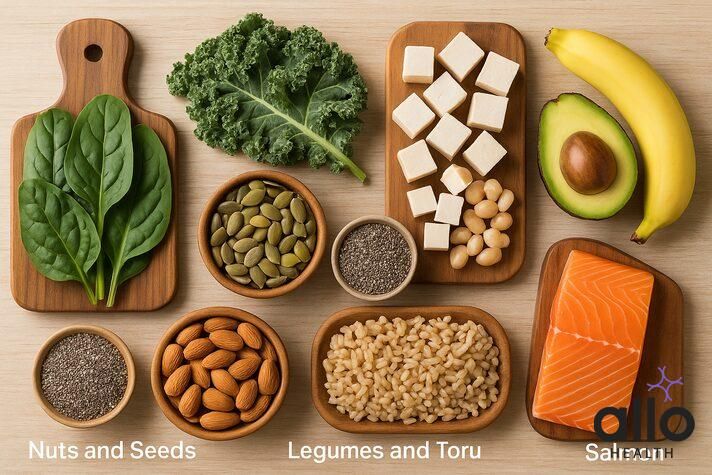
- Dark leafy greens like spinach and broccoli
- Nuts and seeds like pumpkin and chia seeds
- Legumes and tofu
- Whole grains (avoiding those high in saturated fats)
- Fruits like apple, banana, and avocado
- Fatty fish such as salmon
Consuming a diet rich in these foods provides adequate magnesium levels, improving erectile function and supporting overall health — pairing this with the best supplements for erectile dysfunction can amplify results. Additionally, combining magnesium with vitamin E and other antioxidants can enhance its effectiveness for sexual health.
What Are The Potential Risks Of Magnesium Overdose?
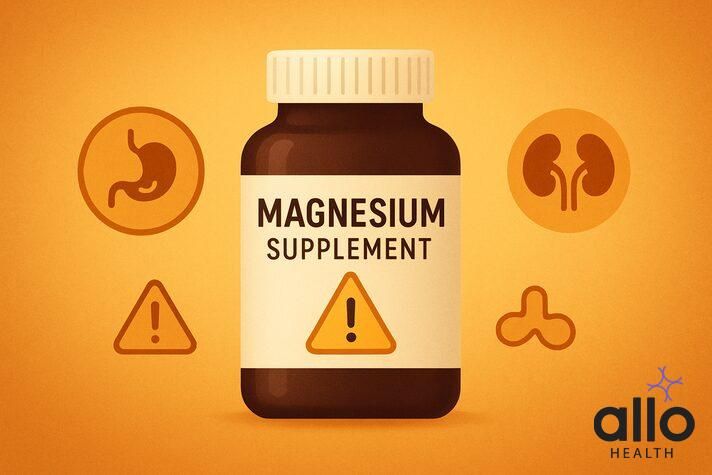
Magnesium is generally safe and essential, but excessive intake from supplements can cause adverse effects — combining safe supplementation with aerobic activity like running for erectile dysfunction offers a more balanced approach. Common side effects reported include diarrhea, nausea, and stomach cramps. A clinical review highlighted that high oral doses of magnesium supplements (typically above 350 mg/day) [1] increase the risk of gastrointestinal upset and electrolyte imbalances, especially in populations with compromised kidney function [8]. People with kidney disease or impaired renal function should be particularly cautious, as their ability to excrete excess magnesium is reduced, potentially leading to magnesium toxicity, which can cause serious complications like cardiac arrhythmias. Therefore, magnesium supplementation should always be taken with medical guidance, especially for people with underlying health conditions or those taking other medications.
Why Magnesium Alone Is Not the Cure for ED?
While magnesium is beneficial, it's important to understand that various treatment options are available for erectile dysfunction:
- ED Medication: ED medications, including oral medications such as PDE5 inhibitors (like sildenafil, tadalafil, and vardenafil), are often prescribed by healthcare providers. These medications work by enhancing the effects of nitric oxide, similar to how magnesium supports this process naturally.
- Herbal supplements are also popular among men seeking natural alternatives, though they should be used with caution and medical supervision.
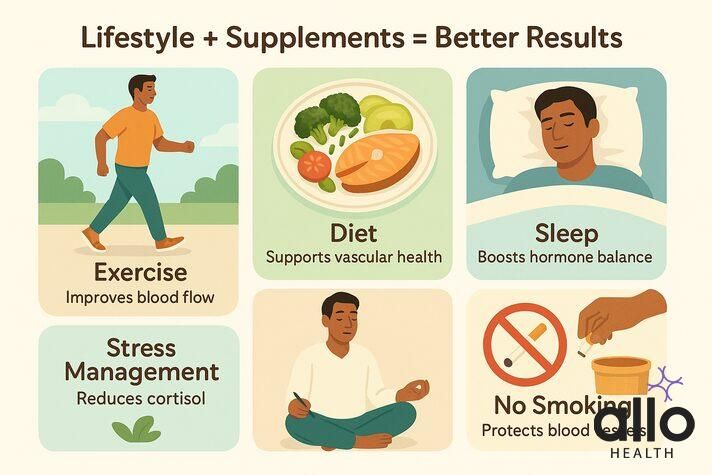
- Lifestyle Changes: Magnesium supplementation alone may not cure erectile dysfunction, but when combined with healthy habits, it can contribute to overall sexual well-being:
- Quit smoking and limit alcohol, as both of these substances impair circulation and cardiovascular health.
- Manage blood pressure through diet, exercise, and medication if necessary
- Engage in regular exercise and stress management techniques like yoga or meditation.
- Maintain a balanced diet rich in vitamins and minerals supporting health and hormonal health
- Seek medical advice for underlying conditions like hypertension, diabetes, or heart disease.
Final Word: Does Magnesium for Impotence Really Help?
Magnesium plays an important role in supporting healthy erections by improving blood flow, nerve signals, and testosterone levels. Magnesium deficiency can affect all these functions, making it harder to get or maintain an erection. Getting enough magnesium from your daily diet through foods like leafy greens, nuts, seeds, and fish can support your sexual health naturally. But taking too much magnesium through supplements may lead to side effects like diarrhea or cramps, especially in people with kidney problems. Using magnesium for erections can be helpful, but it's best to do it with medical guidance to get the best results. Consider discussing with your healthcare provider about incorporating magnesium as part of a comprehensive approach that may include treatment options ranging from lifestyle changes to ED medications when appropriate.

Disclaimer
The following blog article provides general information and insights on various topics. However, it is important to note that the information presented is not intended as professional advice in any specific field or area. The content of this blog is for general educational and informational purposes only. The content should not be interpreted as endorsement, recommendation, or guarantee of any product, service, or information mentioned. Readers are solely responsible for the decisions and actions they take based on the information provided in this blog. It is essential to exercise individual judgment, critical thinking, and personal responsibility when applying or implementing any information or suggestions discussed in the blog.
Most Asked Questions
Does magnesium help with impotence?
Yes, magnesium can help with impotence by improving blood flow and supporting nerve function, both of which are essential for achieving and maintaining erections. Magnesium also aids in the production of nitric oxide, a molecule that relaxes blood vessels in the penis, promoting better erectile function.
Will magnesium raise testosterone levels?
Magnesium plays a supportive role in maintaining healthy testosterone levels, which are important for sexual desire and erectile quality. Adequate magnesium intake may help balance testosterone, especially in aging men.
Can I take magnesium with Viagra?
Magnesium supplements are generally safe to take with Viagra, but it is important to consult your healthcare provider first. Combining supplements and medications should be done under medical supervision to avoid potential interactions.
How much magnesium should I take for erectile dysfunction?
The recommended magnesium intake varies by age, with adult men typically needing between 400 to 420 mg per day. It is best to meet these needs through diet, but supplements can be used if advised by a healthcare professional.
Which vitamin is good for increasing penis size?
No vitamin, including magnesium, has been proven to increase penis size. However, vitamins and minerals like magnesium can support overall sexual health and erectile function.
Sources
- 1.
Magnesium
- 2.
The multifaceted and widespread pathology of magnesium deficiency
- 3.
The impact of hypomagnesemia on erectile dysfunction in elderly, non-diabetic, stage 3 and 4 chronic kidney disease patients: a prospective cross-sectional study
- 4.
Effect of magnesium and vitamin B6 supplementation on mental health and quality of life in stressed healthy adults: Post‐hoc analysis of a randomised controlled trial
- 5.
The Interplay between Magnesium and Testosterone in Modulating Physical Function in Men
- 6.
Role of Magnesium in Vitamin D Activation and Function
- 7.
The Science Behind Vitamin D, Magnesium, and Zinc: Natural Strategies to Optimise Testosterone Levels
- 8.
Causes of Hypermagnesaemia: A Literature Review