11 ways to Prevent Erectile Dysfunction
Medically reviewed by Kanusha YK

When relationships feel strained, intimacy becomes difficult, or emotions feel hard to manage, it can be challenging to know where to start. As a Clinical Psychologist, Couple & Family Therapist, and Psychosexologist with nearly a decade of experience across hospital, corporate, and healthcare settings, I help individuals and couples rebuild connection, communication, and self-understanding. I support clients struggling with sexual disorders, relationship conflicts, anxiety, emotional regulation, and adolescent concerns. In therapy, we take a practical, step-by-step approach, understanding what’s really behind your struggles, learning new tools to manage emotions, and creating meaningful change that lasts. My work combines evidence-based techniques with warmth and collaboration. In simple terms, I adapt therapy to what works best for you. Clients often tell me that therapy helps them feel calmer, more connected, and more confident in both life and relationships. Outside of sessions, I find joy in gardening, evening walks, and relaxing movie nights, small rituals that keep me grounded and refreshed.
•
Written by Sanchita Mishra

Sanchita, a distinguished writer with a Bachelor's degree in Agriculture from Centurion University of Technology and Management, has carved a niche for herself in the realm of sexual health writing. Her proficiency in both English and Hindi adds depth and versatility to her work. Sanchita's journey in writing began early; she was an integral part of editorial teams in various school and college magazines. Her college years were enriched by her active involvement in the literature club, where she honed her skills further. Sanchita is also passionate about fiction writing and painting, showcasing her artistic versatility.
•
July 30, 2026
Our experts continually monitor the health and wellness space, and we update our articles when new information becomes available.
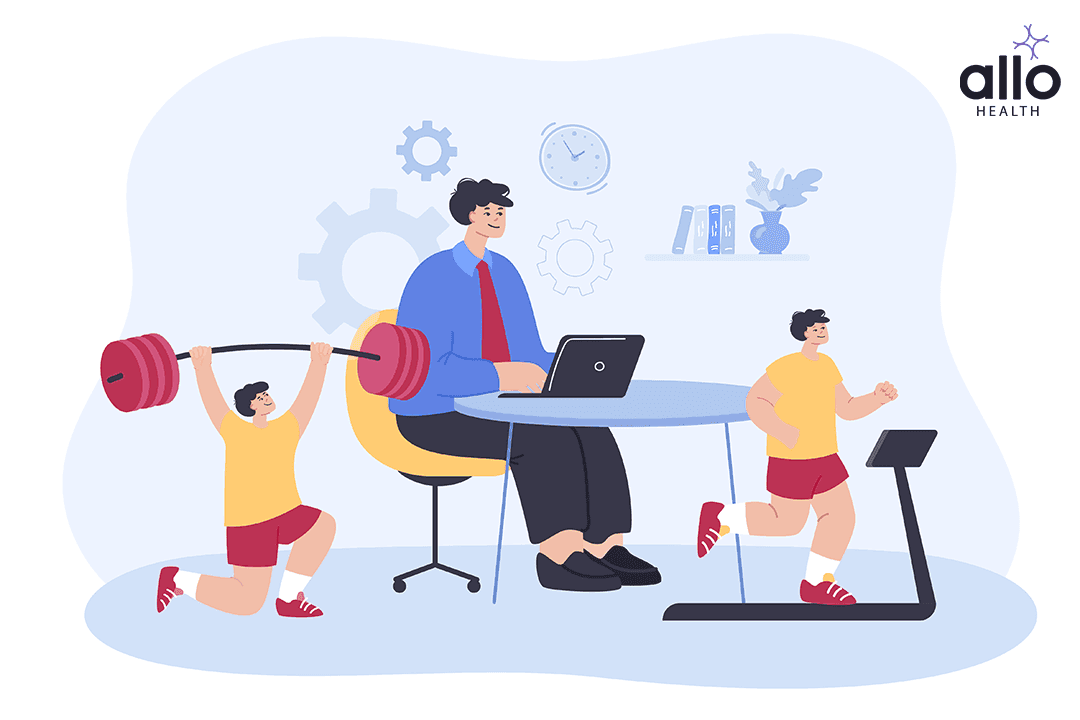
Erectile dysfunction (ED) can be a daunting challenge for many men, impacting their sex life and overall well-being. Numerous factors, from blood pressure to psychological issues, can play a role. Let’s delve into the strategies to prevent erectile dysfunction and maintain optimal sexual health.
Understanding Erectile Dysfunction
Before diving into prevention, it’s crucial to understand what ED is: What is Erectile Dysfunction? Erectile dysfunction (ED) refers to the consistent inability to achieve or maintain an erection firm enough for sexual intercourse. It goes beyond occasional difficulties and becomes a persistent challenge affecting sexual health. Who’s at risk of ED?
- Age Factor: While ED is more common in older men, it’s essential to note that age alone isn’t the sole determinant. Men at any stage of life can experience symptoms.
- Underlying Health Conditions: Men with medical conditions such as high blood pressure, cardiovascular disease, or diabetes often face a higher risk of developing ED.
- Lifestyle Choices: Habits like excessive alcohol consumption, smoking, and a sedentary lifestyle can amplify the risk.
Why Does ED Occur?
- Blood Flow: Proper blood circulation is critical for achieving a firm erection. Any vascular disease or condition that hinders blood flow can result in ED.
- Hormonal Imbalance: Testosterone levels play a significant role in sexual desire and function. An imbalance can lead to sexual dysfunction.
- Psychological Factors: Stress, anxiety, and other mental health issues can contribute to ED, affecting sexual desire and performance.
- Medications: Certain drugs, such as some blood pressure drugs or antidepressants, can impact erectile function as a side effect.
How to prevent Erectile dysfunction?
Regularly Monitor Blood Pressure and Blood Sugar
Blood Pressure:
- High blood pressure is a significant factor in reducing blood flow to the penis.
- Blood pressure drugs can sometimes influence ED. Always be in sync with your doctor about potential side effects.
- The importance of regular monitoring cannot be stressed enough. Invest in a good quality home monitor for convenience.
Blood Sugar:
- Diabetes is directly linked to ED. Keeping blood sugar in check is not just vital for your sexual health but overall well-being.
- Make regular appointments with your healthcare provider to ensure your sugar levels are within the normal range.
Maintain Testosterone Levels
- Testosterone plays a pivotal role in maintaining your sex drive and sexual performance. A decline in sexual desire could be due to reduced testosterone levels.
- It’s imperative to consult with a specialist if you notice symptoms of low testosterone, which can include fatigue and reduced bone mass, in addition to decreased sex drive.
Heart Disease and Its Link to ED
Heart Disease and Heart Attack:

- Cardiovascular disease is intertwined with ED. Good vascular health ensures optimal blood circulation, necessary for maintaining an erection.
- Heart attacks can cause damage to the vascular system, making ED a potential aftereffect. Regular health screenings, focusing on your heart and vascular health, can preemptively address risks associated with ED.
Maintain a Healthy Weight
Weight Gain:
- Obesity can drastically reduce blood circulation, making it a direct risk for ED.
- Engage in moderate exercise, as even simple physical activity like walking can make a notable difference.
Waist Size:
- Your waist size is more than just a number. It can be an early indicator of potential health conditions that can affect erectile function.
- Studies have shown that a larger waist size can be linked to issues such as diabetes and heart disease, both of which can influence ED.
Adopt a Balanced Diet
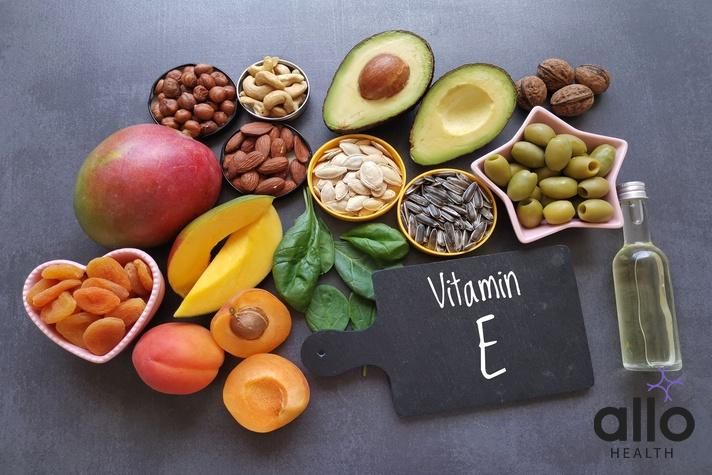
- Consuming a diet rich in natural foods boosts blood circulation and vascular health.
- Antioxidant-rich foods like fruits and vegetables can help in the prevention of ED.
Diet Rich in Heart-Healthy Foods:
- Foods beneficial for your heart are just as crucial for your sexual health.
- Fatty fish, nuts, and whole grains can significantly boost heart health, which in turn, can enhance sexual function.
Mind Your Mental Health
Taking care of one's mental health is as vital as physical well-being, especially concerning sexual health — इरेक्टाइल डिसफंक्शन से कैसे बचें में इसके उपाय विस्तार से दिए गए हैं।

- Psychological Factors: Stress and anxiety are not just mental burdens; they can have tangible effects. Stress, anxiety, depression, and other mental health issues can directly influence sexual performance, erectile function, and sex drive. A balanced mind is crucial for a balanced sex life.
Limit Alcohol Intake
A glass or two might seem harmless, but moderation is key.
- Excessive Alcohol Consumption: Regular overindulgence in alcohol not only affects one’s liver but also one’s sexual function. Overconsumption can severely hinder both sexual desire and performance. It’s recommended to monitor alcohol intake for the sake of sexual health.
Exercise Regularly

- Sedentary Lifestyle: Spending hours without physical activity can worsen ED symptoms. Counter this by incorporating moderate exercise into your routine, promoting blood circulation and overall health.
- Kegel Exercises: Often associated with women, these exercises are equally beneficial for men. By strengthening pelvic muscles, they can significantly enhance erectile function and control.
- Moderate Exercise: Harvard Health Publishing emphasizes the importance of even simple physical activities. A brisk walk or light jogging can significantly improve blood flow, crucial for maintaining erection quality.
Avoid Harmful Habits
Some habits can be particularly detrimental to erectile health — understanding the root causes of ED helps you know exactly which habits to change.
- No To Cigarettes Smoking: The connection between smoking and ED is well-established. Cigarettes can severely impede blood flow, leading to a decline in erectile function. Consider seeking help to quit for improved vascular health.
- Avoid Anabolic Steroids: While they might bulk up muscles, anabolic steroids can have the opposite effect on testicles and libido. Avoid them to safeguard sexual health.
Medications and ED
Certain medications have side effects that can influence sexual performance — conditions like venogenic erectile dysfunction are a prime example of this medication-physiology interaction.
- Blood Pressure Drugs and Water Pills: While essential for some health conditions, these medications can sometimes lead to ED. Always discuss potential side effects with your doctor.
- Enlarged Prostate Treatments: While beneficial for prostate health, some treatments can inadvertently impact sexual function. Be aware and consult with healthcare professionals.
Stay Informed of Erectile Dysfunction
Knowledge is indeed power, especially concerning ED — that's why options like Levitra for ED are worth understanding as part of an informed treatment plan.
- Advice on Erectile Dysfunction: Regularly updating oneself with the latest research, management strategies, and treatments for erectile dysfunction can be empowering. Trusted sources offer a wealth of advice on erectile dysfunction, enabling individuals to make informed decisions about their sexual health.
Understanding and addressing the myriad factors influencing ED—from cardiovascular disease to alcohol intake—can pave the way for a fulfilling sex life. With diligence and a proactive approach, maintaining optimal sexual health is within reach.

Disclaimer
The following blog article provides general information and insights on various topics. However, it is important to note that the information presented is not intended as professional advice in any specific field or area. The content of this blog is for general educational and informational purposes only. The content should not be interpreted as endorsement, recommendation, or guarantee of any product, service, or information mentioned. Readers are solely responsible for the decisions and actions they take based on the information provided in this blog. It is essential to exercise individual judgment, critical thinking, and personal responsibility when applying or implementing any information or suggestions discussed in the blog.
Most Asked Questions
How do psychological factors like stress and anxiety influence erectile dysfunction?
Stress, anxiety, and other mental health issues can have a direct impact on one’s sex life, affecting sexual performance, erectile function, and overall sex drive. A balanced mental state is essential for optimal sexual health.
Is there a link between alcohol consumption and ED?
Yes, excessive alcohol consumption can negatively influence sexual function and desire. Regular overindulgence in alcohol can hinder both sexual performance and erectile function. It’s advisable to monitor and moderate alcohol intake.
Can a sedentary lifestyle contribute to ED?
Absolutely. Leading a life with minimal physical activity can exacerbate symptoms of ED. Incorporating moderate exercise, as endorsed by Harvard Health Publishing, can significantly promote better blood circulation and overall health, benefiting erectile function.
Are there specific habits I should avoid to prevent ED?
Smoking cigarettes can impede blood flow, leading to a decline in erectile function. Additionally, the use of anabolic steroids, while they might enhance muscle bulk, can negatively impact testicles and decrease libido. Avoiding these habits can improve your sexual health.
Do certain medications increase the risk of ED?
Some medications, including specific blood pressure drugs and water pills, can sometimes result in ED. Treatments for an enlarged prostate can also influence sexual health. Always consult with your doctor about potential side effects and alternative treatments if you suspect your medication is affecting your sexual performance.