Temporary Erectile Dysfunction: What It Is and When to Seek Help
Written by Dr. Anvi Dogra

Dr. Anvi Dogra is a medical writer and healthcare professional with a doctoral background in clinical sciences. She leverages her medical training to produce deeply researched, people first content across the wellness industries. With a "360-degree" understanding of the healthcare industry, Dr. Anvi focuses on bridge-building between clinical data and patient wellness. Known for her ability to make complex medical topics accessible and engaging, Dr. Anvi ensures that all health information is grounded in clinical evidence.
•
July 30, 2026
Our experts continually monitor the health and wellness space, and we update our articles when new information becomes available.
Quick Read
Temporary erectile dysfunction (ED) can last anywhere from a few days to several months, depending on the cause and individual factors. Some cases are short-lived, triggered by stress, anxiety, fatigue, alcohol, or situational factors, and may improve once the trigger is addressed. Lifestyle-related ED, caused by factors like obesity, poor diet, or lack of physical activity, may require lifestyle changes such as exercise and a healthier diet to improve, which can take longer.Since the duration and severity of temporary ED vary from person to person, it’s important to seek professional help to identify the cause and explore the best treatment, which could include lifestyle adjustments, medications, or counseling.
If you’re wondering how long temporary erectile dysfunction last, the answer varies from person to person. Some cases may improve in days, others in weeks, and in certain situations, it could take months or even years to resolve. Temporary erectile dysfunction (ED) is a short-term difficulty in getting or maintaining an erection. It can be caused by stress, anxiety, fatigue, poor sleep, alcohol or drug use, medications, underlying health conditions, or situational factors. Always discuss your symptoms with a healthcare professional to determine the cause and find the best treatment. In this article, we will cover the common causes of temporary ED, how long it can last in different situations, and the lifestyle and medical treatments that can help you regain normal erectile function.

Allo asks
Have You Ever Experienced Temporary Erectile Dysfunction?
Causes of Temporary Erectile Dysfunction
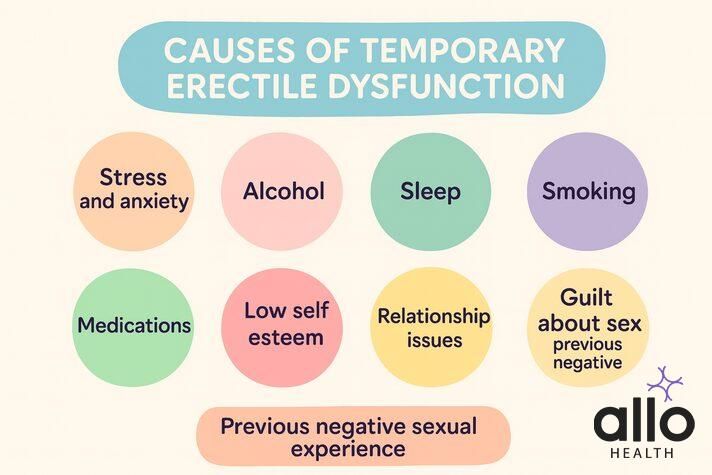
Temporary ED can be caused by a number of factors — including how aging affects erectile dysfunction through gradual hormonal and vascular changes that may start earlier than expected. These may include physical, psychological, and situational. These causes may occur solely or in a combination to cause temporary erectile dysfunction. It is important to know about the causes because how long it takes to cure temporary erectile dysfunction depends on the cause behind ED.
Stress and anxiety: Can stress cause temporary erectile dysfunction?
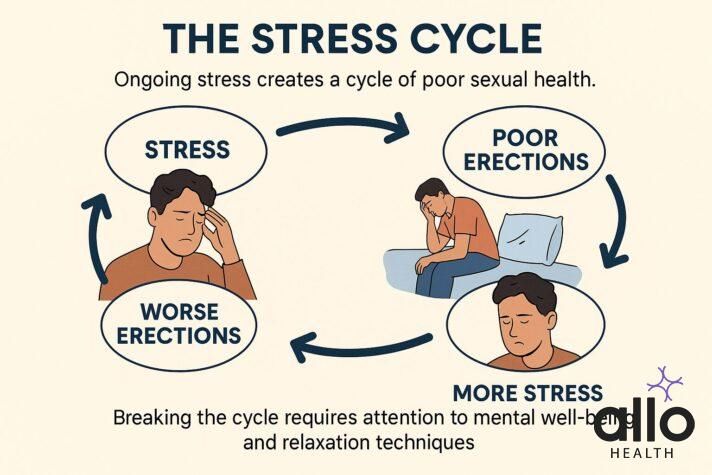
Mental health struggles like stress and anxiety can interfere with your ability to get or maintain an erection. When we are stressed, our body goes into “fight-or-flight” mode, which raises stress hormones like adrenaline and cortisol. These changes can reduce blood flow to the genitals and lower sexual desire. Studies [1] show that erectile dysfunction is common in people with stress and anxiety.
Alcohol
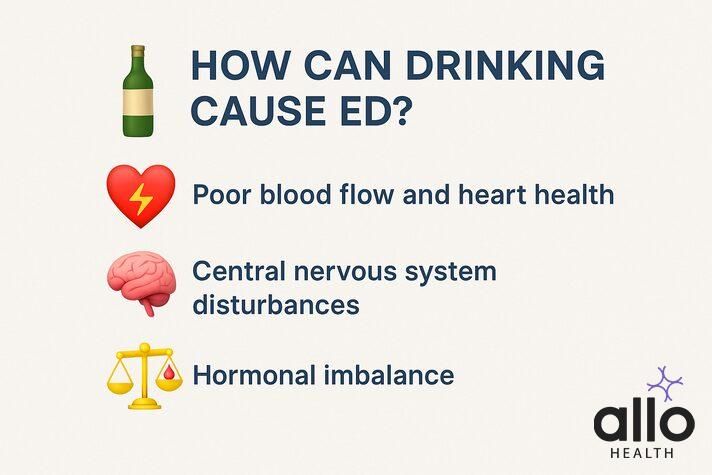
Alcohol slows down signals from your brain, lowers testosterone, and restricts blood flow to the penis, all of which can make it harder to get or keep an erection — mechanisms similar to those seen in arteriogenic erectile dysfunction. One major study [2] involving 216,461 men found that those who consumed higher amounts of alcohol had higher rates of erectile dysfunction. Another study [3] on men with alcohol dependence showed that the severity of ED was directly proportional to their dependence on alcohol. 77% of the men with severe alcohol dependence had sexual dysfunction across all areas, including pleasure, desire, and performance.
Sleep
ED is also caused by poor sleep. Not getting proper sleep can disturb hormonal levels, affect cardiovascular and overall health. Poor sleep can cause ED [4] and may even affect the effectiveness of standard ED treatments.
Smoking
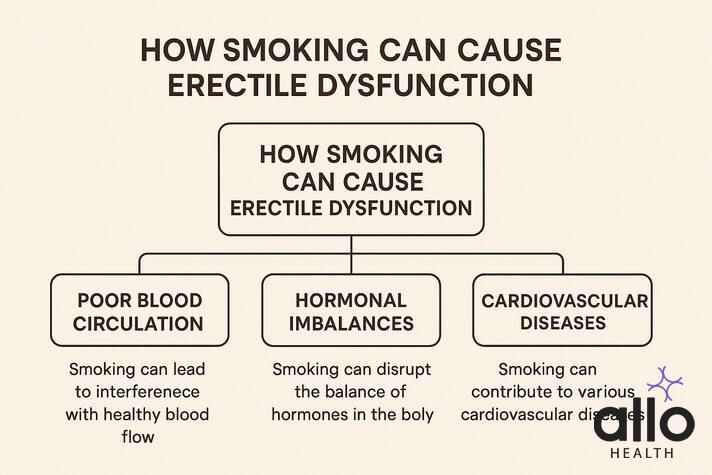
There is a direct link between smoking and erectile dysfunction. Smoking damages blood vessels, causes poor blood circulation, hormonal imbalances, and cardiovascular diseases, all of which play a role in causing erectile dysfunction. Research shows that smokers are 1.5 to 2 [5] times more likely to experience ED compared to non-smokers. One 2005 study [6] published in the American Journal of Epidemiology found that men who smoked were significantly more likely to report erectile problems than those who never smoked. This link was especially strong in younger men.
Medications
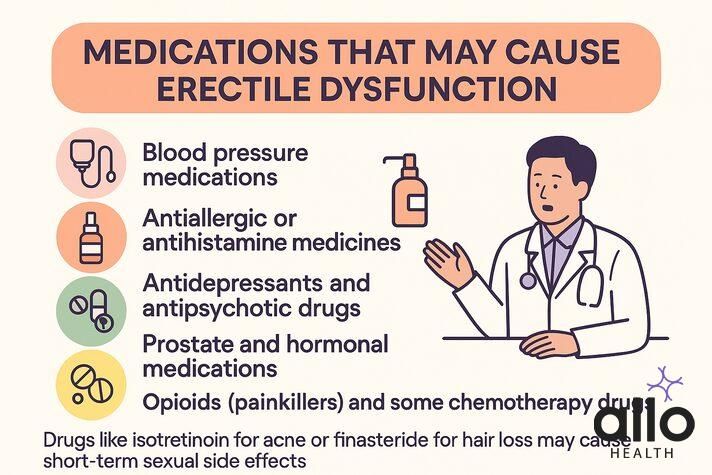
Some medications can affect erections and cause ED, and most men don’t even realize it. From blood pressure pills and anti-allergy medications to antidepressants and prostate drugs, many common medications can quietly interfere with your sexual activity. They may reduce blood flow, alter hormone levels, or disrupt brain-to-penis signaling. The most likely drugs to cause erectile dysfunction are:
- Blood pressure medications
- Antiallergic or antihistamine medicines
- Antidepressants and antipsychotic drugs
- Prostate and hormonal medications
- Opioids (painkillers) and some chemotherapy drugs
- Drugs like isotretinoin [7] for acne or finasteride [8] for hair loss may cause short-term sexual side effects.
Metabolic and Health Conditions
Some underlying metabolic and health conditions, if not treated, may also cause temporary erectile dysfunction. ED caused by these conditions can be reversed when these disorders are treated. These disorders may include:
Diabetes
High blood sugar over time can damage blood vessels, nerves, and hormone levels, all of which are crucial for a healthy erection. But diabetes-related erectile dysfunction is treatable, and in many cases, even reversible.

High blood pressure
The relationship between high BP and erectile dysfunction comes from poor blood circulation. When high blood pressure damages your blood vessels, it affects your entire heart health (cardiovascular system), including the mechanisms required for healthy erections. All of these causes are often reversible if addressed on time.
Situational Erectile Dysfunction
Sometimes, erection problems may happen because of some situations. This type of situational ED only occurs in some settings or places and is temporary. This type of erectile dysfunction may be psychological and can be caused by:
- Low Self-Esteem
- Relationship Issues
- Performance anxiety
- Guilt about sex
- A previous negative sexual relationship
How Long Does Temporary Erectile Dysfunction Last?
Let us be straight: there is no single answer for this question. This depends on the cause of erectile dysfunction and may vary from person to person.
Stress- or anxiety-related ED
Often improves within days, weeks, or months once the emotional stress or anxiety is managed. People with ongoing stress or anxiety disorders may take longer.

Sleep-related ED
This type of ED can get better once the healthy sleep cycle is restored.
Alcohol- or drug-related ED
Can improve within a few weeks or months after stopping alcohol or drugs, depending on how much was consumed. In fact, one study [9] found that nearly 88.5% of men with alcohol-related ED saw improvement within just 3 months of quitting.
Medication-related ED
Often improves after stopping or switching to alternative medications, but only under the supervision of a healthcare professional — particularly if those medications were prescribed for conditions like atherosclerosis and erectile dysfunction.
Health condition-related ED
It may take weeks to months to improve, especially if lifestyle changes or medical treatment are needed. This means that recovery time varies, and treating the root cause is important.
Treatment Options for Temporary Erectile Dysfunction
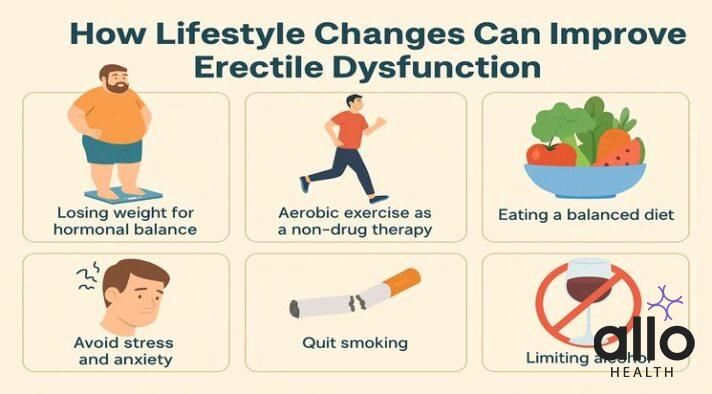
Many men successfully cure temporary impotence naturally through lifestyle changes and home remedies.
Lifestyle Changes
Regular Exercise and Physical Activity
Physical activity is one of the most effective treatments for erectile dysfunction. Cardiovascular exercise (walking, swimming, cycling) improves blood flow throughout your body. Weight training and exercises for erectile dysfunction can also strengthen your pelvic floor muscles that help control erections.
Healthy diet
What you eat directly affects your ability to maintain healthy erections. Eat foods that support your vascular system: leafy greens, berries, fatty fish, and nuts.
Quit Smoking and Alcohol
Avoiding substance abuse can also play an important role in improving erections over time.
Stress Management
Chronic stress affects hormone levels and blood pressure. Try meditation, yoga, or counseling.
Medication adjustment
If ED is due to a drug side effect, a doctor may suggest alternatives.
Medical Treatments for Erectile Dysfunction
When natural methods aren't enough to cure impotence, medical erectile dysfunction treatments offer highly effective solutions.
Oral Medicines (PDE5 Inhibitors)
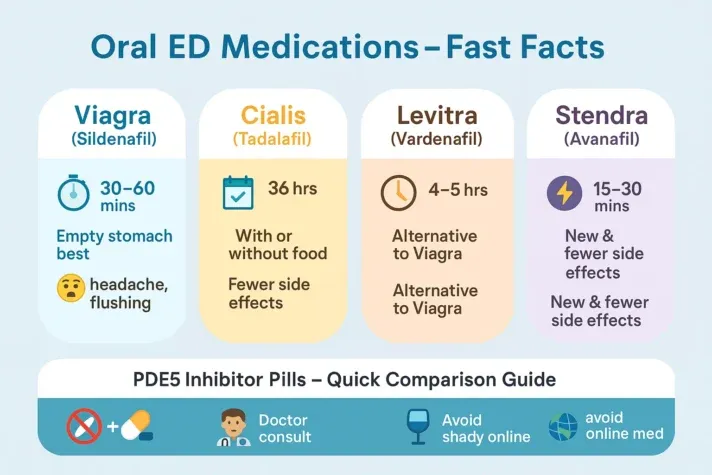
These prescription drugs are the most commonly prescribed erectile dysfunction Viagra/Sildenafil, Cialis (Tadalafil), Levitra (Vardenafil) for impotence, and Stendra (Avanafil) are some of the most commonly prescribed medications for ED.
Vacuum erectile devices and pumps
Vaccum pump or vacuum constriction device is a tool that helps to create a firm erection. These devices are helpful in those cases of ED when pills aren’t effective, safe, or well-tolerated, especially after prostate surgery. How Vacuum Erectile Devices Work:
- Plastic cylinder fits over the penis
- A hand- or battery-powered pump creates a vacuum.
- Draws blood into the penis, creating an erection
- ED rings (constriction bands) are placed at the base to maintain an erection.
Penile injection Therapy
Penile injections for ED involve delivering medications directly into the penis. The medicines that can be delivered through ED injections are
- Papaverine
- Phentolamine
- Alprostadil (Prostaglandin E1)
- Trimix: This injection is a combination of the above three medications.
Penile implants
A penile implant is a medical prosthetic device (artificial replacement for a missing body part) surgically placed in the body to treat erectile dysfunction (ED) when other treatments have failed. It is also called a penile prosthesis surgical procedure.
Advanced Erectile Dysfunction Treatments
Shockwave Therapy
This newer approach of shockwave therapy for erectile dysfunction uses low-intensity pulses to restore blood flow — often compared in effectiveness to oral options like Levitra for erectile dysfunction.
- Low-intensity sound waves applied to the penis
- May help grow new blood vessels
- Usually requires multiple sessions
- Still being studied in clinical trials
- Works best for men with mild vascular disease
Platelet-Rich Plasma (PRP) Therapy
- Uses concentrated platelets from your blood
- Injected into the penis to potentially repair tissue
- It may help with blood vessels and nervous system healing.
- Very new erectile dysfunction treatment, limited research available
Stem Cell Therapy
- Uses stem cells to regenerate damaged tissue potentially
- Still experimental and not widely available
- Being studied in clinical trials
- It may help men with neurological disease or severe vascular disease.
Temporary ED is Reversible
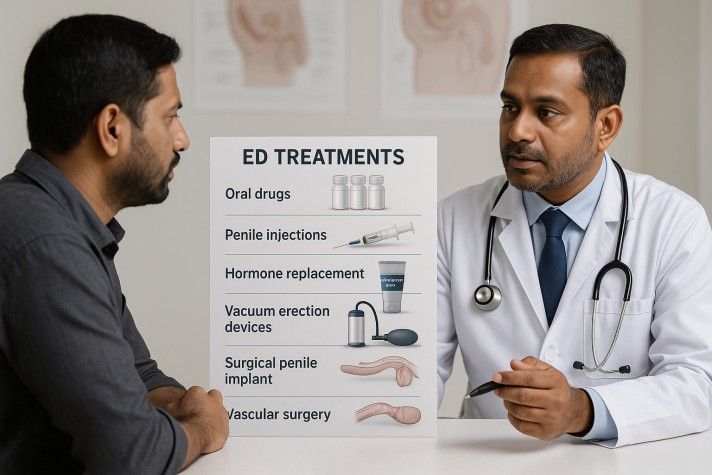
Temporary erectile dysfunction is common and usually reversible, but how long does temporary erectile dysfunction last can vary from person to person. It can be caused by stress, anxiety, fatigue, alcohol or drug use, medications, health conditions, or situational factors. The good news is that most cases of temporary ED can be managed with lifestyle changes like regular exercise, a healthy diet, quitting smoking or alcohol, and stress management. Medical treatments such as PDE5 inhibitors, vacuum devices, penile injections, or advanced therapies like shockwave therapy, PRP, and stem cell therapy are effective when natural methods aren’t enough.
Temporary erectile dysfunction is common and often reversible. The duration depends on the underlying cause, and addressing lifestyle factors, stress, or medications early can help restore normal erectile function. Always consult a healthcare professional to identify the root cause and get appropriate guidance.

Disclaimer
The following blog article provides general information and insights on various topics. However, it is important to note that the information presented is not intended as professional advice in any specific field or area. The content of this blog is for general educational and informational purposes only. The content should not be interpreted as endorsement, recommendation, or guarantee of any product, service, or information mentioned. Readers are solely responsible for the decisions and actions they take based on the information provided in this blog. It is essential to exercise individual judgment, critical thinking, and personal responsibility when applying or implementing any information or suggestions discussed in the blog.
Most Asked Questions
How long can temporary ED last?
Temporary erectile dysfunction can last from a few days to several weeks or months, depending on the cause. Stress-related or fatigue-related ED often improves quickly, while health or medication-related ED may take longer.
Can you temporarily get ED?
Yes, erectile dysfunction can be temporary. Factors such as stress, anxiety, lack of sleep, alcohol use, medications, or situational issues can cause short-term erection problems that resolve once the cause is addressed.
Can erectile dysfunction be fixed?
In many cases, erectile dysfunction is treatable and even reversible. Lifestyle changes, managing stress, treating underlying health conditions, or using medical treatments can help restore normal erectile function.
What causes short-term ED?
Short-term ED can be caused by stress, performance anxiety, fatigue, alcohol or drug use, poor sleep, smoking, certain medications, or temporary health issues.
When should you see a doctor for temporary ED?
You should see a doctor if temporary ED lasts longer than a few weeks, occurs frequently, or is accompanied by other symptoms like low libido, pain, or chronic health problems.
Sources
- 1.
Erectile dysfunction in patients with anxiety disorders: a systematic review
- 2.
A Meta-Analysis of Erectile Dysfunction and Alcohol Consumption
- 3.
Alcohol-associated sexual dysfunction: How much is the damage?
- 4.
Sleep, Sleep Disorders, and Sexual Dysfunction
- 5.
Can lifestyle modification affect men’s erectile function?
- 6.
Association between Smoking and Erectile Dysfunction: A Population-based Study
- 7.
Isotretinoin (Roaccutane): rare reports of erectile dysfunction and decreased libido
- 8.
Finasteride: reminder of the risk psychiatric side effects and of sexual side effects (which may persist after discontinuation of treatment)
- 9.
The Impact of Abstinence From Alcohol on Erectile Dysfunction: A Prospective Follow up in Patients With Alcohol Use Disorder