Frequent Urination and Erectile Dysfunction: Link Between and Impact on Sexual Health
Written by Dr. Deepali Anand

Dr. Deepali is a medical writer and healthcare professional with a background in clinical surgery and patient care. Having transitioned from active clinical practice to medical communications, she specializes in bridging the gap between complex clinical data and patient education. Dr. Deepali is dedicated to creating evidence-based content that is grounded in scientific rigor and empathy, ensuring that sensitive topics like sexual wellness and mental health are accessible and empowering for every reader.
•
July 30, 2026
Our experts continually monitor the health and wellness space, and we update our articles when new information becomes available.
Quick Read
Frequent urination and erectile dysfunction often occur together because they're linked by common health issues, not because one directly causes the other. Conditions like prostate enlargement, diabetes, overactive bladder, and poor blood flow affect the same nerves, blood vessels, and muscles that control both urination and erections. The good news is that treating the root cause, whether it's managing blood sugar, addressing prostate issues, or strengthening pelvic floor muscles, often improves both urinary and sexual function. If you're experiencing both symptoms, see a doctor for proper testing, as early treatment can restore your quality of life and prevent more serious complications.
Frequent urination and erectile dysfunction often happen together, and it’s natural to wonder if they’re connected. In most cases, they’re connected through the same underlying health issues that affect blood flow, nerves, and the pelvic region. Conditions like prostate enlargement, diabetes, hormonal imbalance, or overactive bladder can all disrupt these systems, leading to both urinary and sexual problems.
This article explains why these two conditions are linked, the common causes behind them, and how treating one can often improve the other.
What Is the Connection Between Frequent Urination and Erectile Dysfunction?
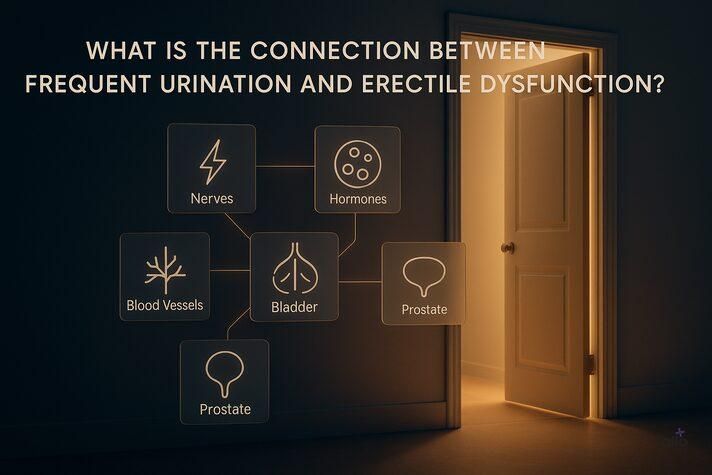
Frequent urination and erectile dysfunction are closely linked, especially as men get older. These two issues often occur together because they share common underlying causes and risk factors that affect the lower urinary tract and pelvic region.
In simple terms, the same nerves, blood vessels, and muscles that control your bladder also play a role in erections — a shared system that deteriorates with age and erectile dysfunction. When these systems are affected by health conditions like diabetes, prostate problems, hormonal changes, or poor blood flow, both urinary and sexual symptoms can appear.

Research[1] shows that men with erectile dysfunction are more likely to experience frequent urination or symptoms of an overactive bladder (also known as lower urinary tract symptoms, or LUTS). This overlap suggests that treating one condition often helps improve the other as well.
According to Allo Health, nearly 1 in 2 men experience erectile dysfunction, which is based on our internal clinical data of more than 2.5 lakh patients who have visited our clinics — a significant portion presenting with vascular causes like arteriogenic erectile dysfunction.

Allo asks
Have you ever experienced both frequent urination and erection issues around the same time?
Common Causes of Both Frequent Urination and Erectile Dysfunction
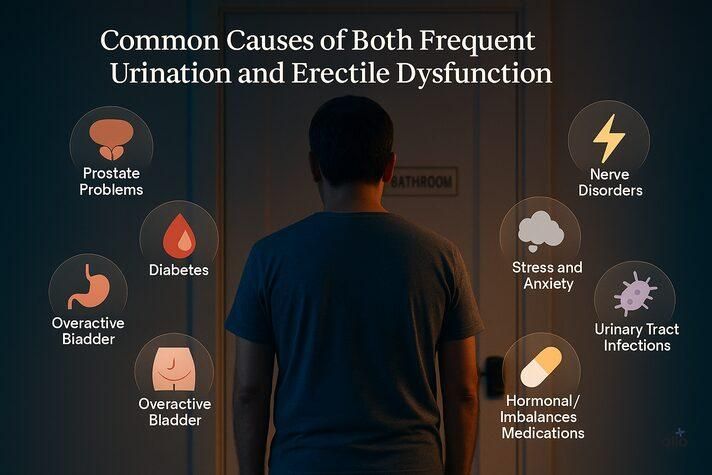
Let’s take a closer look at why frequent urination and erectile dysfunction often occur together and how one problem can influence the other.

1. Prostate Problems (Benign Prostatic Hyperplasia or Prostatitis)
- An enlarged prostate or an inflamed prostate gland can press on the urethra (the passage for urine) and irritate nearby nerves. This pressure can lead to frequent urination, discomfort, and sexual problems, including erectile dysfunction.
- When the prostate affects blood flow and nerve function in the pelvis, erections can become weaker or harder to maintain.
- In some cases, treatments for prostate gland enlargement or infection may also temporarily worsen erectile function.
2. Diabetes
- High blood sugar levels damage the small nerves and blood vessels that control both the bladder and the penis. Over time, this can lead to frequent urination (from an overactive bladder) and erectile dysfunction due to reduced blood flow and nerve sensitivity.
- Men with diabetes are three times more likely to experience ED than those without it. Proper diabetes management can improve both urinary and sexual health[2].
3. Overactive Bladder and Erectile Dysfunction
- An overactive bladder (OAB) causes a sudden, strong urge to urinate(urinary urgency), sometimes even leading to leakage. Research[3] shows that men with OAB are twice as likely to experience erectile dysfunction compared to those without it.
- A 2010 study[4] found that people with OAB often reported a negative impact on their sex life, especially those with “wet” OAB, where urine leakage occurs.
- OAB affects pelvic nerves, blood vessels, and muscles, and can lower confidence, increase embarrassment, and reduce overall sexual satisfaction.
4. Nerve Disorders and Spinal Issues
- Conditions that affect the nervous system, such as multiple sclerosis (MS), Parkinson’s disease, or spinal injuries, can interrupt the nerve signals that control both bladder function and erections[5].
- When these nerve pathways are disrupted, it becomes difficult to manage urination and achieve or maintain an erection.
5. Psychological Stress and Anxiety
- Mental health plays a big role in both conditions. Stress, anxiety, and depression can tighten pelvic muscles, disrupt hormones, and make symptoms worse.
- The emotional strain of dealing with urinary problems or sexual dysfunction can also lower confidence, creating a cycle of performance anxiety and psychogenic erectile dysfunction.
6. Medications and Hormonal Imbalances
- Certain blood pressure medicines, antidepressants, or hormonal changes (like low testosterone) can affect both urinary and sexual function.
- Some drugs used to treat prostate or bladder problems may also have side effects that reduce libido or make it harder to get an erection.
7. Urinary Tract Infections
- UTIs or sexually transmitted infections (STIs) can cause burning, irritation, and the urge to urinate frequently.
- While UTIs don’t directly cause ED, the inflammation, discomfort, and anxiety they bring can lower sexual desire or performance temporarily.
8. Pelvic Floor Dysfunction
- The pelvic floor muscles support both the bladder and the penis. When these muscles become weak or overactive, it can lead to poor bladder control and erectile problems.
- Strengthening these muscles through pelvic floor (Kegel) exercises often improves both conditions.
Many men ignore urinary symptoms thinking they’re just part of ageing. But frequent urination can sometimes be the first sign of metabolic or vascular changes that also affect erections.
Options for Treating Both Frequent Urination and Erectile Dysfunction
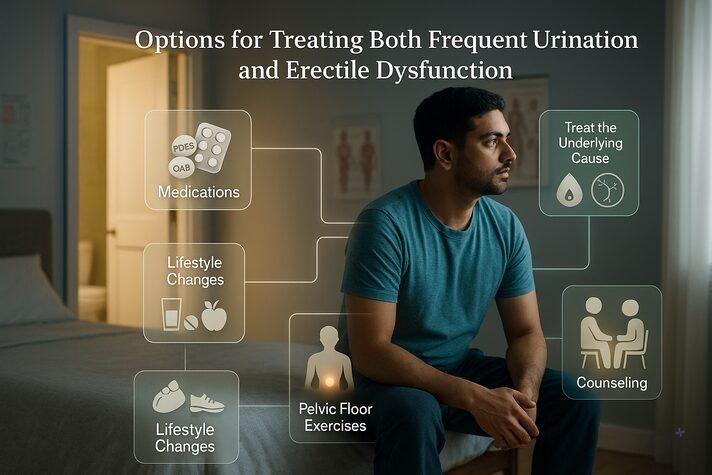
The right treatment depends on the underlying cause, and in most cases, improving one condition can also help the other. Here are the main options doctors may recommend:
1. Treat the Underlying Cause
The first step is always to identify and manage what’s triggering the symptoms. Addressing the root problem often restores balance across urinary and sexual systems.
2. Medications
Doctors may prescribe medicines that target both bladder and erectile health:
- Alpha-blockers for prostate enlargement (BPH) to ease urine flow.
- Antibiotics for urinary or prostate infections.
- Oral ED medications like PDE5 inhibitors (Viagra, Cialis) to improve blood flow and erection quality.
- Overactive bladder (OAB) medicines such as oxybutynin (Ditropan) or tolterodine (Detrol) to calm bladder spasms.
- Nerve stimulation therapies, including peripheral tibial nerve stimulation (PTNS) or sacral nerve stimulation, to help regulate bladder control and pelvic function.
- Emerging treatments like EMsella (a non-invasive device that strengthens the pelvic floor) are showing promise for improving both urinary and sexual function.
3. Lifestyle Changes
Simple lifestyle modifications can make a noticeable difference — particularly those that improve cardiovascular health and reduce atherosclerosis and erectile dysfunction risk:
- Limit caffeine and alcohol, as they can irritate the bladder.
- Maintain a healthy weight to reduce pressure on pelvic organs.
- Prevent constipation, since it can worsen bladder control and pelvic floor strain.
- Avoid bladder irritants like artificial sweeteners, acidic foods, and carbonated drinks.
- Stay hydrated, but try to avoid drinking fluids two hours before bedtime to reduce nighttime urination.
- Practice bladder training, gradually increasing the time between bathroom visits to improve control and reduce urgency.
4. Pelvic Floor (Kegel) Exercises
Strengthening pelvic floor muscles through Kegel exercises can improve urine control, enhance blood flow, and support stronger erections. Many men notice improvement within a few weeks of regular practice.
5. Counseling or Sex Therapy
Working with a sex therapist can help you rebuild confidence, reduce stress, and restore a healthy sexual relationship.
What You Should Do If You Suspect a Link Between Frequent Urination and Erectile Dysfunction
If you’re noticing urinary symptoms along with erectile dysfunction, it’s important not to ignore them. Here’s what you should do:
See a Doctor Early
A doctor can help determine the root cause of your symptoms. You may need:
- Blood tests to check for diabetes, hormones, or kidney function.
- A prostate exam to identify enlargement or inflammation.
- Urine samples or an ultrasound examination to rule out infections or structural issues.
Early diagnosis ensures that any serious underlying conditions are treated promptly.
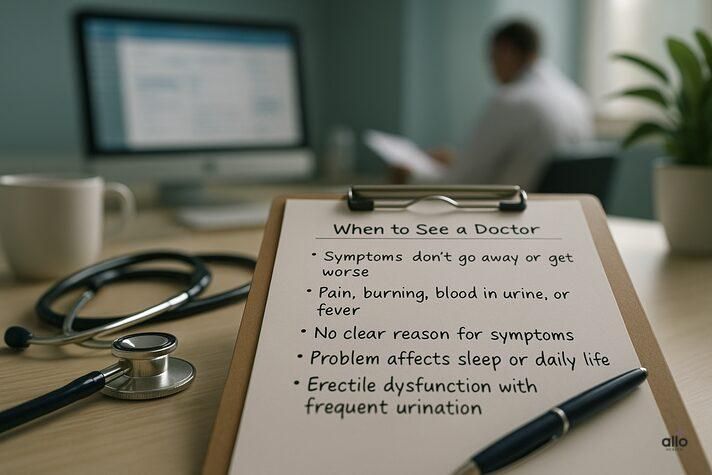
When to See a Doctor
You should seek medical help if:
- Your urinary symptoms or sexual symptoms don’t go away or keep getting worse.
- You notice pain, burning, blood in urine, fever, or unexplained weight loss.
- There’s no clear reason for the symptoms (for example, not linked to more fluid intake).
- The problem is disrupting your sleep, relationships, or daily life.
- You have erectile dysfunction along with lower urinary tract symptoms (LUTS) like frequent or urgent urination.
Bottom Line: Can Treating Frequent Urination Improve Erectile Dysfunction?
Yes, treating frequent urination can often improve erectile dysfunction — though medications used in the process, like trazodone and erectile dysfunction drugs, carry their own considerations. Frequent urination and erectile dysfunction often go hand in hand because they share common causes that affect the prostate, nerves, and blood flow.
When these underlying conditions are properly managed, urinary control and erectile function often improve together. The good news is that with the right care and early intervention, most men can regain control, confidence, and a better quality of life.

Disclaimer
The following blog article provides general information and insights on various topics. However, it is important to note that the information presented is not intended as professional advice in any specific field or area. The content of this blog is for general educational and informational purposes only. The content should not be interpreted as endorsement, recommendation, or guarantee of any product, service, or information mentioned. Readers are solely responsible for the decisions and actions they take based on the information provided in this blog. It is essential to exercise individual judgment, critical thinking, and personal responsibility when applying or implementing any information or suggestions discussed in the blog.
Most Asked Questions
What causes a man to urinate frequently?
Frequent urination in men can be caused by prostate enlargement (BPH), diabetes, urinary tract infections, or an overactive bladder. In some cases, it may also be linked to nerve or hormonal issues that affect bladder control. If the problem persists, a doctor can identify the root cause through simple tests and recommend the right treatment.
When should I worry about peeing a lot?
You should see a doctor if you’re urinating frequently without drinking more fluids, or if it’s disrupting your sleep, causing pain, or accompanied by blood, fever, or fatigue. These symptoms could signal underlying conditions like diabetes or prostate problems that need medical attention.
Can frequent urination cause erectile dysfunction?
Frequent urination doesn’t directly cause erectile dysfunction, but both can result from the same underlying issues, such as prostate disorders, diabetes, nerve damage, or poor blood flow. Treating these causes can often help improve both bladder control and sexual performance.
Can overactive bladder lead to erectile dysfunction?
Yes, research shows that men with overactive bladder (OAB) are more likely to experience erectile dysfunction. OAB affects the pelvic nerves and muscles involved in both urination and erections. Managing OAB with lifestyle changes, medication, or pelvic floor therapy can help reduce urinary urgency and improve sexual function.
Can treating frequent urination improve erections?
Yes, addressing the root cause of frequent urination, whether it’s prostate enlargement, diabetes, or nerve dysfunction often improves erectile health as well. When blood flow, hormones, and pelvic function are restored, both urinary and sexual symptoms tend to get better.
Sources
- 1.
Lower urinary tract symptoms and erectile dysfunction☆
- 2.
Erectile dysfunction and diabetes: A melting pot of circumstances and treatments
- 3.
Overactive bladder negatively affects erectile function and promotes premature ejaculation: findings from large representative population-level study
- 4.
Sexual Dysfunction in Patients with Overactive Bladder Syndrome Treated with Botulinum Toxin
- 5.
Neurogenic Bladder