Can Women Experience Erectile Dysfunction? Exploring the Concept
Written by Dr. Deepali Anand

Dr. Deepali is a medical writer and healthcare professional with a background in clinical surgery and patient care. Having transitioned from active clinical practice to medical communications, she specializes in bridging the gap between complex clinical data and patient education. Dr. Deepali is dedicated to creating evidence-based content that is grounded in scientific rigor and empathy, ensuring that sensitive topics like sexual wellness and mental health are accessible and empowering for every reader.
•
July 30, 2026
Our experts continually monitor the health and wellness space, and we update our articles when new information becomes available.
Quick Read
While "female erectile dysfunction" isn't an official medical term, what you're likely thinking of is very real - it's called Female Sexual Dysfunction (FSD), which affects about 12% of women aged 45-64. FSD encompasses persistent problems with sexual desire, arousal, lubrication, orgasm, or pain during sex that cause distress. Unlike male erectile dysfunction which is primarily a blood flow issue, female sexual dysfunction is more complex, involving a mix of hormonal changes (like menopause), physical health issues (e.g., diabetes, heart disease), psychological factors (e.g., stress, depression), and relationship dynamics. The good news is that FSD is highly treatable through various approaches including hormone therapy, FDA-approved medications (e.g., Flibanserin, Bremelanotide), lifestyle changes, pelvic floor therapy, and counseling. The key is tracking your symptoms, maintaining open communication with your partner, and seeking help from a healthcare provider who can create a personalized treatment plan for your specific needs.
While there’s technically no medical condition called female erectile dysfunction, many women experience what doctors call Female Sexual Dysfunction (FSD)- a persistent difficulty with arousal, lubrication, orgasm, or pain during sex.
In this article, we’ll break down the science in simple terms, explain the symptoms and causes, and explore the medical and lifestyle solutions that can help women reclaim a healthy, satisfying sex life.
Women Erectile Dysfunction: Is it Real?
There is no official medical condition called "female erectile dysfunction." Erectile dysfunction is a term used to describe men who have trouble getting or maintaining an erection.
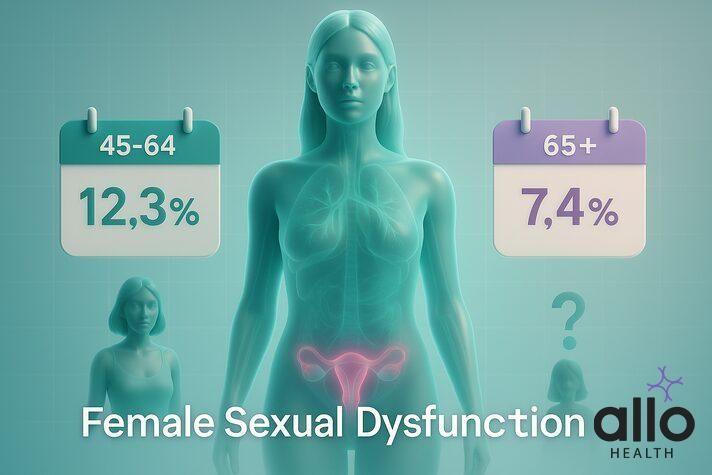
In women, the closest equivalent is something known as Female Sexual Dysfunction (FSD) — distinct from but related to arteriogenic erectile dysfunction in men, where blood supply to sexual tissue is compromised. Research shows that Female Sexual Desire/Arousal Disorder (FSIAD) is quite common.

It affects around 12.3% of women between 45 and 64 years and about 7.4% of women over 65. Younger women can also experience it, but it often goes unrecognized.[1]
In simple terms, sexual dysfunction in women means any sexual problems that prevent them from enjoying or desiring sexual activity — though its mechanisms differ from male vascular causes like arteriogenic erectile dysfunction. This could be a lack of interest, difficulty becoming aroused, or pain during sex. Let’s look deeper.

Allo asks
Which of these challenges do you think affects women’s sexual health the most?
What Is Female Erectile Dysfunction?
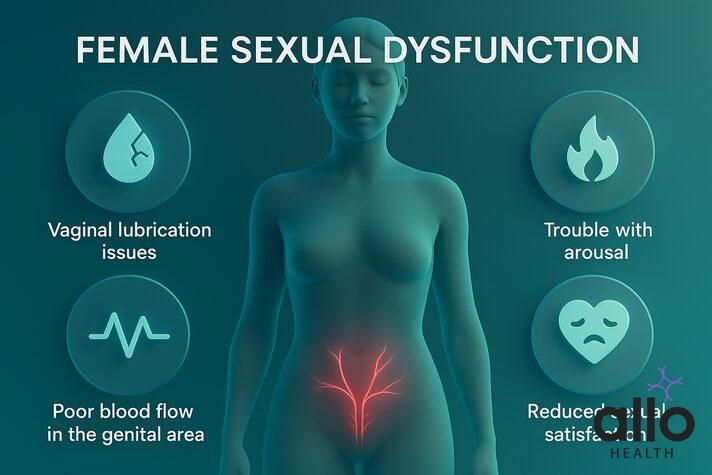
Female sexual dysfunction is a persistent problem with sexual desire, arousal, orgasm, or pain during sexual activity. These issues can prevent women from fully enjoying sexual activity. It often involves:
- Trouble with arousal(sexual arousal disorder)
- Poor blood flow in the genital area.
- Vaginal lubrication issues. (vaginal dryness)
- Reduced sexual satisfaction and sexual response.
Types of Female Sexual Dysfunction
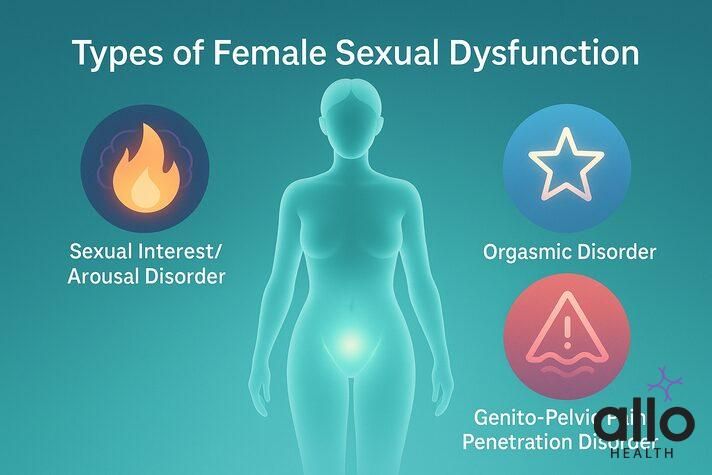
Studies [2] generally categorize it into three main types:

1. Sexual Interest/Arousal Disorder (FSAID)
This refers to a lack of sexual interest, arousal, or pleasure when sexually stimulated. It can show up in different ways:
A) Genital Arousal Disorder
The mind feels aroused, but the body doesn’t respond with physical signs like increased vaginal lubrication or clitoral swelling.
B) Subjective Arousal Disorder
The body responds physically, but the mind doesn’t feel aroused or emotionally connected.
C) Combined Arousal Disorder
Both mental and physical arousal are affected.
2. Female Orgasmic Disorder
Some women may have trouble reaching orgasm. They may have delayed orgasm or cannot orgasm even when adequately aroused and stimulated.
3. Genito-Pelvic Pain/Penetration Disorder
This includes pain-related(sexual pain disorder) conditions during sex:
- Dyspareunia: Persistent or recurring pain in the vagina during or after intercourse.
- Vaginismus: Involuntary spasms of vaginal muscles that make penetration sex painful or impossible.
- Vulvodynia: Chronic vulvar pain with no clear cause.
Symptoms of Female Erectile Dysfunction
Female sexual dysfunction is common. However, each woman's experience is different. For some, symptoms may be mild; for others, they may overlap. Common symptoms include:
- Little to no sexual desire or fantasies.
- Difficulty becoming aroused even with adequate stimulation.
- Lack of natural lubrication after arousal.
- Reduced genital sensitivity or swelling.
- Trouble reaching orgasm.
- Discomfort or pain during sex.
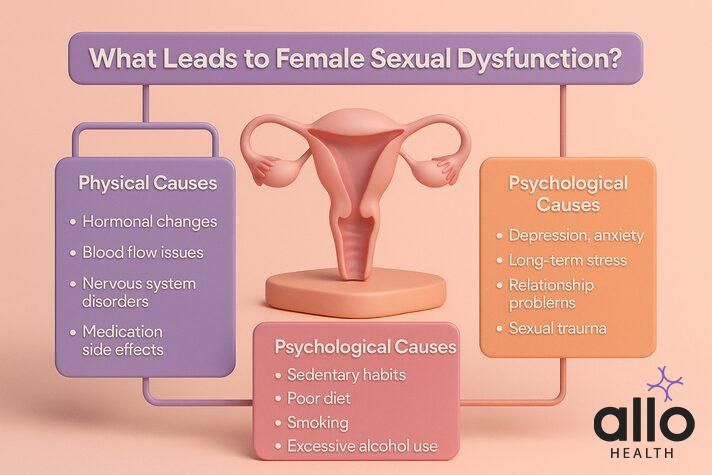
What Leads to Female Erectile Dysfunction?
Female sexual dysfunction is complicated — and shares some cardiovascular risk factors with male conditions like atherosclerosis and erectile dysfunction. It usually involves physical, psychological, and lifestyle factors.
Physical Causes
- Hormonal changes like menopause, after childbirth (postpartum), and endocrine disorders like thyroid issues are widespread in women. This leads to an imbalance of estrogen levels in the body.
- Blood flow issues(vascular disorders) like diabetes, atherosclerosis, and heart disease.
- Conditions affecting the nerves, like multiple sclerosis, spinal cord injury, can also affect sexual function.
- Side effects of medications antidepressant and blood pressure medications, can also contribute to sexual dysfunction.
Psychological Causes
- Depression, anxiety, and long-term stress.
- Relationship conflicts.
- Sexual trauma.
- Societal stigma or shame around sexuality.
Lifestyle Factors
- Sedentary lifestyle and poor diet.
- Smoking.
- Excessive alcohol use.
Think of female sexual arousal like blood flow and hormones working together. When that balance is disrupted, whether by stress, menopause, or health issues, it can affect desire, lubrication, and pleasure
Female Erectile Dysfunction vs Male Erectile Dysfunction
Men
Women
Involves blood flow to the penis, leading to an erection
Involves blood flow to the clitoris and vaginal tissues, leading to lubrication and arousal
Causes are often vascular (blood vessel issues) or psychological
Causes are usually more complex, involving hormones, emotions, physical health, and relationship factors
In simple terms, erectile dysfunction in men is mainly a blood flow problem, while in women it’s a more complex mix of physical, hormonal, emotional, and relational factors.
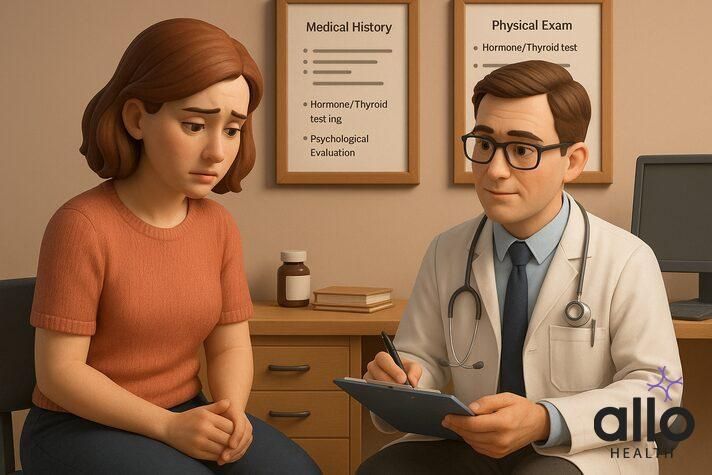
How Doctors Diagnose Female Sexual Dysfunction
A medical visit may include:
- A detailed sexual and medical history.
- Review of medications and health risks (e.g., diabetes, heart disease).
- Physical exam and hormone/thyroid testing.
- Psychological evaluation to identify stress, trauma, or mental health factors.
How Doctors Categorize Symptoms of Female Sexual Dysfunction
- Symptoms persist for 6 months or more.
- Symptoms cause distress or affect relationships.
- Overlap with other sexual dysfunctions is carefully ruled out.
- Diagnosis always depends on thorough examination and open conversation.
What You Can Do If Suspecting Female Sexual Dysfunction
1. Symptom Tracking
Keep notes about your sexual concerns - when they occur, how often, and what situations trigger them.
2. Sexual History
Track changes in your sexual relationships, frequency of sex, or shifts in desire. Note any past trauma or ongoing relationship issues.
3. Medical History
List any health conditions you have and medications you’re taking (especially new ones).
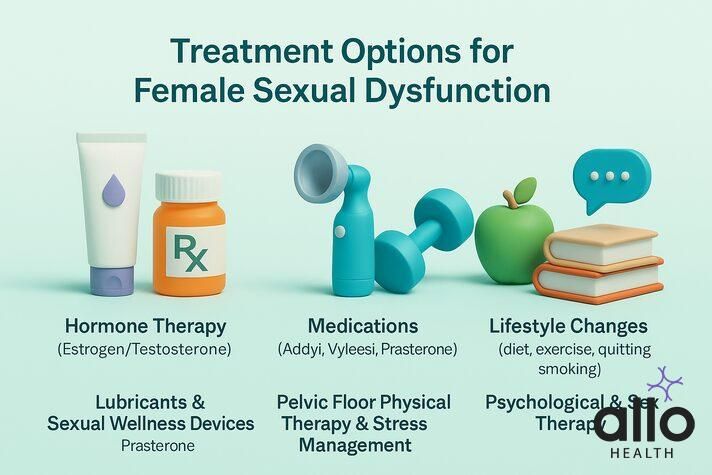
Treatment Options for Female Sexual Dysfunction
Treatment of FSD is personalized and often works best as a combination.
1. Medical Treatments
a) Hormone Therapy
- Estrogen (topical vaginal estrogen or systemic) for vaginal dryness and pain.
- Testosterone therapy (in select cases) to help with low libido.
b) Medications
- Flibanserin (Addyi): FDA-approved for low sexual desire.
- Bremelanotide (Vyleesi): FDA-approved[3] injectable used before sexual activity.
- Prasterone (Intrarosa): Vaginal insert for dryness and pain.
- Adjusting antidepressants or other medications that may cause dysfunction.
c) Lubricants, Moisturizers & Devices
- Over-the-counter lubricants and moisturizers for dryness.
- Clitoral pumps, vibrators, and other devices to boost arousal and orgasm.
2. Non-Medical Treatments
a) Lifestyle Changes
- Healthy diet, regular exercise.
- Quit smoking and limit alcohol.
- Stress management (yoga, meditation).
b) Pelvic Floor Physical Therapy
- Especially useful for vaginismus and pain disorders.
- Helps relax and strengthen pelvic muscles.
c) Psychological & Sex Therapy
- Sex therapy by a qualified sex therapist, couples counseling, and CBT[4].
- Addresses emotional, psychological, and relationship challenges.
- Improves communication and reduces performance anxiety.
Prevention & Self-Care Tips for Female Sexual Dysfunction
- Take care of heart and hormone health.
- Manage stress with therapy, yoga, or meditation.
- Get regular check-ups for health risks.
- Keep communication open with your partner.
Bottom Line
There's no medical condition called female erectile dysfunction; the correct term is female sexual dysfunction — and nutrients like lycopene for erectile dysfunction show benefits across sexual health in both sexes. It includes problems with desire, arousal, orgasm, or pain during sex.
The most important steps are to care for your overall health, pay attention to changes in your sexual response, and talk openly with a healthcare professional. Remember, sexual dysfunction is common, treatable, and understanding your own body and needs is key to finding the right solution.

Disclaimer
The following blog article provides general information and insights on various topics. However, it is important to note that the information presented is not intended as professional advice in any specific field or area. The content of this blog is for general educational and informational purposes only. The content should not be interpreted as endorsement, recommendation, or guarantee of any product, service, or information mentioned. Readers are solely responsible for the decisions and actions they take based on the information provided in this blog. It is essential to exercise individual judgment, critical thinking, and personal responsibility when applying or implementing any information or suggestions discussed in the blog.
Most Asked Questions
How to treat female erectile dysfunction?
There’s no one-size-fits-all treatment; it depends on the cause. Doctors may recommend hormone therapy, FDA-approved medications (like Addyi or Vyleesi), lubricants, or pelvic floor therapy. Lifestyle changes such as exercise, stress management, and open communication with your partner also play a big role. The best approach is usually a combination tailored to your needs.
What should a wife do if her husband has erectile dysfunction?
If your partner is struggling with ED, approach it with empathy and open communication rather than blame. Encourage him to see a doctor, since ED is often treatable and may point to other health issues. Supporting each other emotionally and exploring solutions together, from medical treatments to lifestyle changes, can make a big difference.
How to tell if a female is erect?
For women, sexual arousal isn’t always as obvious as in men. Physical signs can include increased blood flow and sensitivity in the genital area, swelling of the clitoris or vaginal tissues, and natural lubrication. But remember, every woman’s body responds differently — mental and emotional arousal are just as important.
What is female impotency called?
The medical term is Female Sexual Dysfunction (FSD). It covers persistent problems with desire, arousal, orgasm, or pain during sex. Doctors usually call conditions like Female Sexual Interest/Arousal Disorder (FSIAD) or Orgasmic Disorder. Sometimes people informally say "female erectile dysfunction."
Can female sexual dysfunction be cured?
Yes, in many cases it can be successfully managed or treated. Some women see improvement with medical therapies, others with counseling, pelvic therapy, or lifestyle changes. The key is identifying the underlying cause and seeking professional help — because sexual dysfunction is common, treatable, and nothing to be ashamed of.