Best Ayurvedic Medicine for Erectile Dysfunction? What Works, Risks & When to Get Help
Written by Dr. Pranitha Bangera

Dr. Pranitha Bangera is a gold-medalist healthcare professional with an elite foundation in clinical training and patient care. A researcher at heart, she specializes in creating high-impact, research-driven medical content that empowers readers through accessible patient education. Dr. Bangera focuses on the intersection of digital health and clinical communication, specifically within the fields of sexual health and mental well-being. Her work is dedicated to making complex medical innovations understandable and trustworthy for a global audience.
•
July 30, 2026
Our experts continually monitor the health and wellness space, and we update our articles when new information becomes available.
Quick Read
Ayurvedic treatment for erectile dysfunction offers natural ways to manage ED through herbs like Ashwagandha, Shatavari, and Safed Musli, along with Vajikarana therapies, yoga, and lifestyle changes. These approaches help improve blood flow, reduce stress, balance hormones, and boost stamina. However, Ayurveda is not a guaranteed cure but a supportive method to manage symptoms. Scientific evidence is still limited, and some remedies may have risks like contamination or herb-drug interactions. Therefore, it’s essential to consult your healthcare provider before starting any Ayurvedic treatment. When used cautiously, Ayurveda can be a helpful part of your overall sexual health care.
While modern medicine for erectile dysfunction often focuses on fast-acting pills, many men today are exploring Ayurvedic treatment for erectile dysfunction as a more natural and long-term approach. Ayurveda, a 3,000-year-old system of medicine from India, views erectile dysfunction not just as a sexual disorder, but as a reflection of overall health, balance, and lifestyle.
Instead of targeting symptoms alone, Ayurvedic medicine looks at blood flow, the nervous system, sex hormones, mental stress, and daily habits that influence sexual health. From specialized therapies like Vajikarana to powerful herbs such as Ashwagandha, Shatavari, and Mucuna, Ayurveda offers a holistic toolkit for treating ED. That said, Ayurveda is not a miracle cure.
In this guide, we’ll walk through Ayurveda for erectile dysfunction, ayurvedic herbs and how they work, risks associated with using ayurvedic treatment for erectile dysfunction, and how to use it safely.

Allo asks
Have you ever tried Ayurvedic remedies for ED?
Ayurveda for Erectile Dysfunction
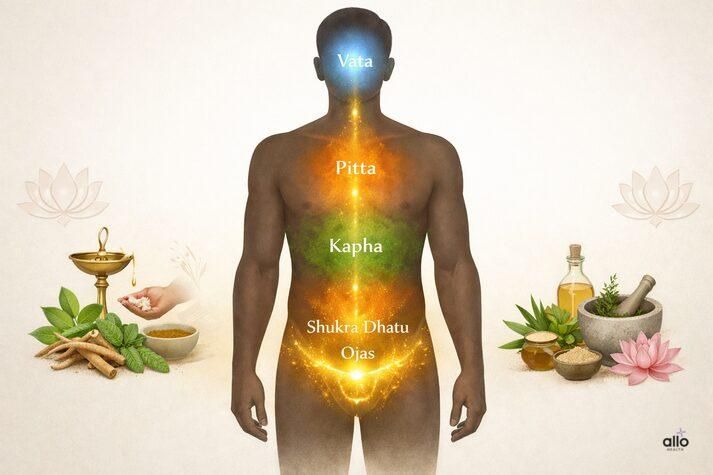
In Ayurveda, erectile dysfunction is looked at as a sign that something in the body is out of balance. Ayurveda believes the body works on three basic energies, called doshas: Vata, Pitta, and Kapha. Each of these controls different functions in the body, including sexual health:
- Vata Dosha:
This controls nerve signals and blood circulation — ED आयुर्वेदिक इलाज में इन्हीं दोषों को संतुलित करने पर ज़ोर दिया जाता है। When disturbed, it can lead to poor blood flow, difficulty maintaining erections, and performance anxiety.

- Pitta Dosha
This governs hormones and metabolism. Imbalance may cause fatigue, irritability, or hormonal issues that reduce sexual desire and performance.
- Kapha Dosha
This supports strength and stamina — आयुर्वेदिक वियाग्रा भी इसी शक्ति और स्टैमिना वृद्धि के दावे करती है। When weakened, it may result in low energy, reduced libido, and poor endurance during sex. Instead of focusing only on erections, ayurvedic treatment for erectile dysfunction aims to restore balance in these doshas and support the body as a whole.
Shukra dhatu
Ayurveda also talks about something called Shukra dhatu, which refers to the body’s reproductive tissue. Shukra dhatu is linked to semen quality, sperm count, sexual stamina, and overall reproductive vitality. If this tissue becomes depleted, due to stress, illness, poor lifestyle, or aging, sexual performance can suffer, even if there is no major disease present.[1] When Shukra dhatu becomes depleted, due to chronic stress, illness, poor diet, lack of sleep, excessive sexual strain, or aging, sexual performance may decline even in the absence of a clear medical disease. Ayurveda considers strengthening and nourishing Shukra dhatu essential for long-term improvement in erectile function.
Ojas: The Energy Behind Strength and Endurance
Closely linked to Shukra dhatu is Ojas, often described as the body’s vital essence or reserve energy. Ojas represents immunity and endurance. When Ojas is strong, a person feels energetic, resilient, calm, and physically capable.[1] Low Ojas may present as:

- Chronic fatigue
- Low libido
- Poor recovery after sex
- Mental exhaustion
- Reduced confidence.
Vajikarana Therapy (Virility Therapy)
At the heart of Ayurvedic treatment for erectile dysfunction is Vajikarana, a specialized branch focused on male potency, vitality, and reproductive strength.[1]
What Vajikarana Typically Includes
- Personalized herbal preparations
- Oil massages targeting the pelvic region
- Stress reduction practices
- Dietary changes and lifestyle changes
Treatment is customized based on body constitution and underlying health issues rather than using a one-size-fits-all formula.
Vrishya Chikitsa: Ayurvedic Aphrodisiac Therapy
Vrishya Chikitsa is the Ayurvedic aphrodisiac approach aimed at improving sexual strength, desire, stamina, and reproductive health. It overlaps with Vajikarana therapy but places greater emphasis on nourishing Shukra dhatu and building Ojas.
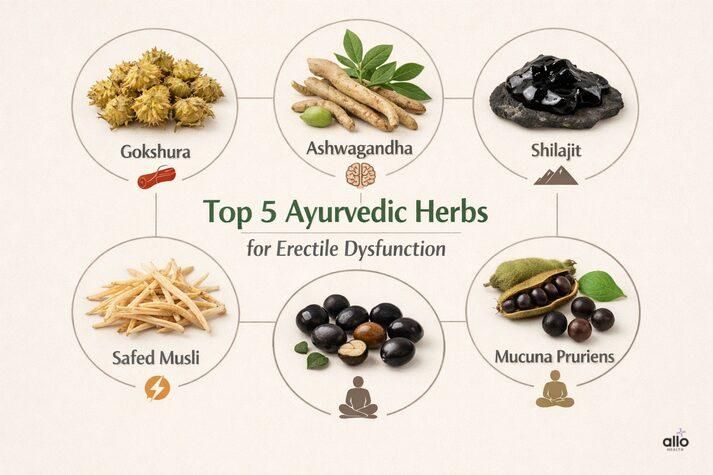
Top 5 Ayurvedic Herbs for Erectile Dysfunction
It’s important to know that not every herbal remedy has the same level of proof. A few are backed by solid studies, while others are based mainly on tradition or early research.
1. Gokshura (Tribulus terrestris)
Gokshura is one of the most important and widely searched Ayurvedic herbs for erectile dysfunction in India, second only to Ashwagandha. Modern clinical studies show that Gokshura primarily works by improving blood flow to the penis, supporting healthy blood vessels, and enhancing nitric oxide activity. In Ayurvedic practice, Gokshura is often included in Vajikarana formulations to support sexual vitality and long-term reproductive health.[2]
2) Ashwagandha (Indian Ginseng)
Ashwagandha is one of the most popular Ayurvedic herbs for male health in India. Among its various forms, Ashwagandha KSM-66 is considered a premium, full-spectrum root extract and widely used in clinical research. Despite its widespread use, Ashwagandha has shown limited direct benefit for erectile dysfunction when studied on its own. Research in men with psychogenic erectile dysfunction did not find meaningful improvements in erection scores with Ashwagandha alone. Its real strength lies in reducing stress, improving sleep, and offering indirect hormonal support, which can be helpful when anxiety or fatigue contributes to ED.[2]
3) Shilajit
Shilajit supports energy production, testosterone balance, and nervous system activation. Studies show improved stamina, libido, and erectile quality with consistent use.[2]
4) Safed Musli
Often marketed aggressively, Safed Musli does show promise for improving sperm count, strength, and libido, though human evidence is moderate. It’s best used as part of a broader Ayurvedic treatment plan.[3]
5) Mucuna Pruriens (Kauncha Beej Churna)
Mucuna supports the brain chemical responsible for pleasure called dopamine, and may help with stress-related or neurogenic erectile dysfunction by supporting the nervous system.[4]
Other Commonly Used Herbs
- Asparagus racemosus (Shatavari) for stamina and reproductive support[5]
- Tribulus herb blends in polyherbal formulations
- Panax ginseng and Maca root (often added in modern formulations)
Dosage and Cost of Ayurvedic Herbs Used for Erectile Dysfunction
The table below provides a quick reference for the cost and dose of commonly used Ayurvedic herbs for erectile dysfunction:
| Herb | Typical Dosage | Approximate Cost (INR) |
|---|---|---|
| Tribulus terrestris (Gokshura) | 400–750 mg daily | ₹600 – ₹1,500 |
| Shilajit | 250–500 mg daily | ₹800 – ₹2,000 |
| Safed Musli | 500–1,000 mg daily | ₹700 – ₹2,000 |
| Mucuna pruriens (Kauncha Beej) | 300–600 mg extract or 3–5 g powder | ₹500 – ₹1,500 |
| Ashwagandha | 300–600 mg standardized extract | ₹400 – ₹1,200 |
Note: Ayurvedic herbs should never replace proper medical evaluation or treatment for erectile dysfunction.
How Ayurvedic Remedies for ED Actually Work
Ayurvedic remedies don’t work like instant-action medicines. Instead of triggering a quick response, they support the body gradually and from multiple angles. Over time, ayurvedic medicines for erectile dysfunction may help by:
- Improving blood flow and overall blood circulation
- Supporting the health and flexibility of blood vessels
- Calming the nervous system and reducing performance-related stress
- Supporting testosterone levels without shutting down the body’s own hormone production
Because these changes happen slowly and work at the root level, results are not immediate. Most men notice improvement over weeks rather than minutes, especially when herbs are combined with lifestyle and stress-management practices.
Role of Yoga in Ayurveda for ED
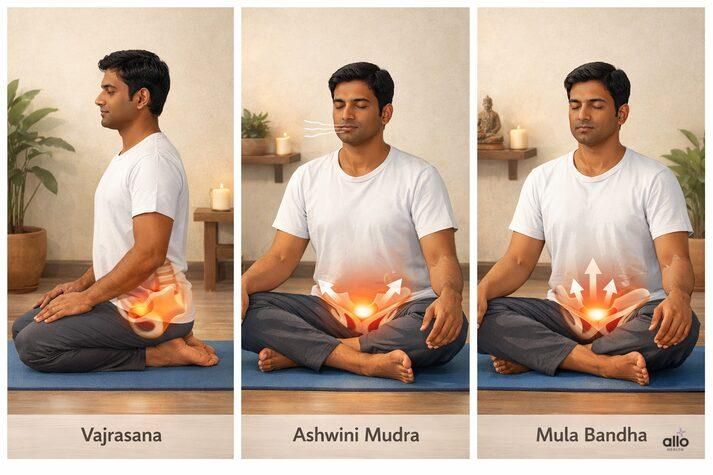
In Ayurveda, yoga is considered an important supportive therapy for erectile dysfunction, especially when stress, anxiety, or lifestyle-related factors are involved. Specific yoga practices such as Vajrasana, Ashwini Mudra, and Mula Bandha are commonly recommended in Ayurvedic care. [6]
Studies from India have shown that men experienced improvements in semen quality and sexual function when yoga was combined with Ayurvedic cleansing therapies like Virechana.
Yoga is beneficial for men living in modern urban environments, where long sitting hours, high stress levels, and limited physical activity are common contributors to erectile problems — कामेच्छा बढ़ाने के आयुर्वेदिक उपाय भी इसी जीवनशैली सुधार पर आधारित हैं। Regular practice supports better circulation in the pelvic region, improves posture and muscle tone, and helps counter the negative effects of a sedentary lifestyle.
Safety, Risks Of Using Ayurveda for ED
Ayurvedic medicines for erectile dysfunction have been used for centuries and are often perceived as gentle or risk-free because they are “natural.” However, natural does not automatically mean safe. Like any medical treatment, Ayurvedic remedies come with potential risks, especially when used without proper guidance or quality control:
1. Heavy Metal Contamination
One of the most serious safety concerns with some Ayurvedic products is heavy metal contamination. Certain formulations, particularly those that are poorly regulated or imported without proper oversight, have been found to contain metals such as lead, mercury, or arsenic.[7] These metals can accumulate in the body over time and may lead to:
- Nerve damage
- Kidney or liver injury
- Digestive problems
- Long-term toxicity
This is why sourcing medicines from reputable manufacturers and avoiding unverified online supplements is critical.
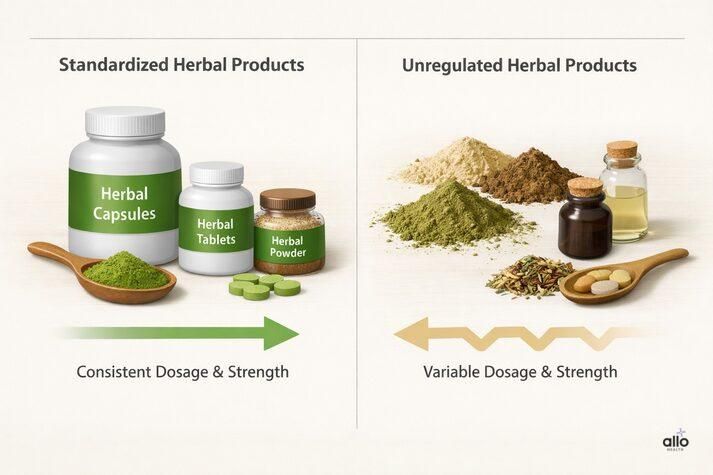
2. Lack of Standardisation and Quality Control
Unlike modern pharmaceuticals, many herbal preparations are not made under uniform manufacturing standards.[8] This lack of standardisation means:
- The strength of the herb may vary from batch to batch
- The actual dose of active compounds may be unclear
- Contamination risks may go unnoticed
As a result, one person may experience no effect, while another may develop side effects from the same product. This unpredictability makes self-medication risky and reinforces the need for medical supervision when using Ayurveda for erectile dysfunction.
3. Limited Scientific Evidence
While Ayurveda has a long history of traditional use, modern scientific research on many herbs is still evolving. Some remedies have encouraging clinical data, while others rely mainly on anecdotal experience or small studies. More large-scale, long-term studies on Indian men are still needed to clearly establish effectiveness, ideal dosing, and long-term safety for many Ayurvedic treatments.
4. Herb–Drug Interactions
Self-medicating with Ayurvedic herbs can be particularly risky for men who are already taking prescription medications.[9] Certain herbs may interact with medicines used for:
- Diabetes
- High blood pressure
- Anxiety or sleep disorders
- Heart disease
These interactions can either reduce the effectiveness of prescribed drugs or increase the risk of side effects such as low blood sugar, low blood pressure, excessive drowsiness, or heart rhythm issues.
5. Long-Term Concerns
Although many Ayurvedic herbs appear safe for short-term use, their long-term effects are not always well understood. Some case reports have linked prolonged or inappropriate use of certain herbal remedies to:
- Liver problems
- Cardiovascular disease complications
- Allergic reactions
- Hormonal imbalances
These risks are uncommon but important to consider, especially when herbs are taken in high doses or for extended periods.
Who Should Be Extra Cautious?
Men with the following conditions should never self-medicate with Ayurvedic treatement for erectile dysfunction:
- Vascular disease or cardiovascular disease
- Diabetes or metabolic disorders
- Liver or kidney disease
- Those taking ED medications (phosphodiesterase type 5/ (PDE-5) inhibitors)
In India, Ayurvedic medicines and therapies are regulated under the Ministry of AYUSH, which oversees standards for Ayurveda, Yoga, Unani, Siddha, and Homoeopathy. However, regulation does not mean all products are equal. Quality can still vary between manufacturers, which is why patients are advised to choose certified products and consult a qualified healthcare professional before starting any Ayurvedic treatment for erectile dysfunction.
Why Doctor Consultation Matters
A proper doctor consultation helps:
- Identify the real cause of erectile dysfunction
- Check for drug–herb interactions
- Ensure safe dosing
- Rule out serious underlying health issues
Ayurvedic treatment can be a helpful complementary approach, but it should always be used responsibly and with professional guidance.
\In our clinical experience, out of more than 1,200 Indian men across our clinics in Delhi, Mumbai, and Bangalore, around 23% experienced herb–drug interactions. Most of these men were being treated for diabetes, hypertension, or anxiety and were also taking over-the-counter Ayurvedic supplements without medical advice. Once their treatment plans were reviewed and adjusted, most showed improvement within 2 to 3 months.
Ayurvedic Dietary Guidelines for Erectile Health
Ayurveda places strong emphasis on Pathya, or dietary discipline. Many Indian users also refer to this as “parhez”, meaning foods that support healing and those that may worsen imbalance.
| Sattvic Foods (Recommended) | Tamasic Foods (Limit or Avoid) |
|---|---|
| Warm milk (in moderation) | Excessive chilies and spicy foods |
| Cow ghee | Excess caffeine (strong tea, coffee) |
| Almonds and soaked nuts | Alcohol |
| Fresh fruits and vegetables | Processed and packaged foods |
| Whole grains and pulses | Fried and oily foods |
| Mildly cooked home meals | Late-night heavy meals |
Sattvic foods are believed to promote calmness, energy, and tissue nourishment, while excessive tamasic foods may increase stress, inflammation, and fatigue, all of which can negatively affect sexual health.
Ayurvedic treatment for erectile dysfunction works best when it’s used to support the body as a whole.
Final Words
Ayurvedic treatment for erectile dysfunction can be a meaningful option when used thoughtfully, patiently, and under guidance — a complete erectile dysfunction treatment guide helps you understand all available options. Herbs like Tribulus terrestris and shilajit show real promise, especially when combined with lifestyle changes and stress reduction.
But Ayurveda should complement, not replace, modern medical care. Erectile dysfunction is often an early warning sign of vascular disease or cardiovascular issues, and ignoring that signal can be risky.

Disclaimer
The following blog article discusses alternative medicine practices and their potential effects or benefits. However, it is important to note that the information provided is for general educational purposes only and should not be considered as medical advice or a substitute for professional guidance from a qualified healthcare professional. Before considering any alternative medicine practices or treatments, it is recommended to consult with a healthcare professional. Alternative medicine encompasses a wide range of practices that may not have undergone rigorous scientific evaluation or received widespread acceptance within the medical community. The effectiveness, safety, and appropriateness of alternative medicine practices can vary significantly depending on the individual, their specific medical conditions, and other factors. It is important to approach alternative medicine practices with caution and skepticism. Some practices may carry potential risks or interact with existing medical treatments. A healthcare professional can provide guidance based on your medical history, evaluate the available evidence, and offer informed advice regarding the potential benefits and risks of alternative medicine practices. Individuals with specific medical conditions, allergies, or taking medications should exercise particular caution when considering alternative medicine practices. Some practices may have contraindications or adverse effects, and it is essential to discuss these potential concerns with a healthcare professional before pursuing any alternative treatments.
Most Asked Questions
What is the best Ayurvedic treatment for erectile dysfunction?
The best Ayurvedic treatment for erectile dysfunction often includes a combination of Vajikarana therapy, lifestyle changes, and powerful herbs like Ashwagandha, Shatavari, and Safed Musli. These therapies work holistically to improve blood flow, reduce stress, and balance hormones—core factors behind better sexual performance.
Which Ayurvedic medicine is best for erectile dysfunction and premature ejaculation in India?
Top-rated Ayurvedic medicine for erectile dysfunction and premature ejaculation in India includes formulations containing Ashwagandha, Mucuna Pruriens, and Safed Musli. These herbs are commonly used in combination and are available in capsule, powder, or tonic form from trusted Ayurvedic brands.
Which herb is most effective for erectile dysfunction in Ayurveda?
Ashwagandha is considered one of the most effective herbs for treating ED in Ayurveda. It enhances testosterone levels, improves erection quality, and reduces performance anxiety. It’s often combined with other herbs like Shatavari or Mucuna for greater effect in Ayurveda for erectile dysfunction.
How to maintain erection for 30 minutes with Ayurvedic medicine?
To maintain an erection for a longer duration using Ayurvedic methods, men often turn to Ayurvedic remedies for erectile dysfunction such as Vajikarana therapy, pelvic-strengthening yoga, and herbs like Safed Musli and Ashwagandha. These support stamina, reduce stress, and improve blood circulation—all of which help sustain erections naturally.
Can Ayurveda cure erectile dysfunction permanently?
Ayurveda aims to treat the root causes of ED through long-term lifestyle and herbal interventions. While it may not guarantee a “permanent” cure for all men, a well-planned Ayurvedic treatment for erectile dysfunction can lead to lasting improvement when combined with diet, exercise, and stress reduction.
How long does it take for Ayurvedic herbs like Ashwagandha to show results?
Most studies show noticeable improvements within 6–8 weeks of consistent use. But timelines can differ depending on your body type, lifestyle, and overall health.
Sources
- 1.
Vajikarana: Treatment of sexual dysfunctions based on Indian concepts
- 2.
Effect of standardized root extract of ashwagandha (Withania somnifera) on well‐being and sexual performance in adult males: A randomized controlled trial
- 3.
Safed Musli: Herbal Viagra for Male Impotenc
- 4.
Mucuna pruriens improves male fertility by its action on the hypothalamus-pituitary-gonadal axis
- 5.
Plant profile, phytochemistry and pharmacology of Asparagus racemosus (Shatavari): A review
- 6.
Integrative Yoga and Ayurvedic Approach to Oligoasthenozoospermia: A Holistic Case Study on Fertility Enhancement
- 7.
Lead Poisoning Associated with Ayurvedic Medications --- Five States, 2000--2003
- 8.
Challenges and Opportunities in Standardization of Ayurvedic Drugs
- 9.
Adverse drug reaction and concepts of drug safety in Ayurveda: An overview