Anorgasmia: Its Causes, Symptoms, and Solutions
Written by Sanchita Mishra

Sanchita, a distinguished writer with a Bachelor's degree in Agriculture from Centurion University of Technology and Management, has carved a niche for herself in the realm of sexual health writing. Her proficiency in both English and Hindi adds depth and versatility to her work. Sanchita's journey in writing began early; she was an integral part of editorial teams in various school and college magazines. Her college years were enriched by her active involvement in the literature club, where she honed her skills further. Sanchita is also passionate about fiction writing and painting, showcasing her artistic versatility.
•
July 30, 2026
Our experts continually monitor the health and wellness space, and we update our articles when new information becomes available.
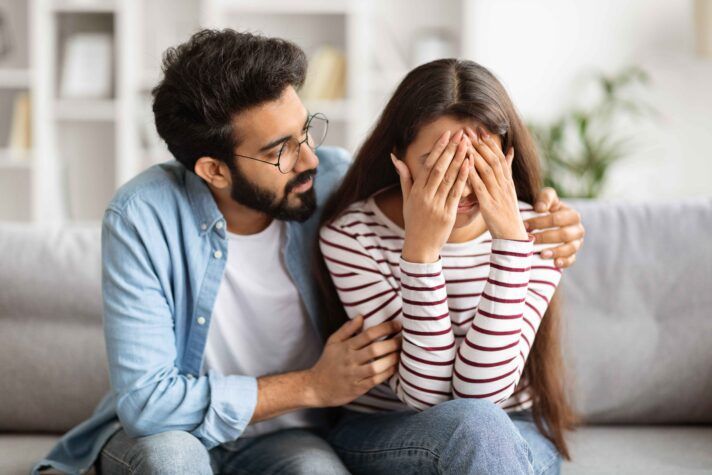
When we think of sex, we think of orgasms. But what happens if one doesn’t get orgasms? While the goal of sex is not just to reach climax but also to enjoy the process of sex- if the lack of orgasms becomes the reason for any physical or emotional distress- it can become a problem. This condition is known as anorgasmia, the medical term for the inability to reach orgasm, even when you're sexually aroused. Many people go through this- but don’t worry- help is there. One should first know the condition to get the right treatment. In this post, we’ll dive into what anorgasmia is all about—what causes it, how it affects intimate relationships, and most importantly, what you can do about it. Whether it’s something you've been going through or just a topic you’re curious about, we’ve got you covered.
What is Anorgasmia?
Anorgasmia is the medical term for the inability to get an orgasm during any sexual activity despite arousal and ample stimulation. It is a type of sexual dysfunction seen in both men and women, although more common in women. Anorgasmia refers to a persistent and ongoing inability to orgasm not if it is a one or two time occurrence.
Types of Anorgasmia
- Primary Anorgasmia: This is when someone has never ever experienced an orgasm during sex ever since they started being sexually active.
- Secondary Anorgasmia: In this type, the person has experienced orgasms in the past- but they no longer get any orgasms. It can develop later in life and is mostly due to physical or emotional changes or trauma.
- Situational Anorgasmia: This is when a person can get an orgasm in some situations but not in others. For example, a woman might get an orgasm during solo but struggles to do so with a partner. This seems like some problem with emotional connection or type of sexual activity.
Causes of Anorgasmia
Anorgasmia can happen due to many reasons- physical, psychological, and emotional factors. Some most common causes:
- Physical Causes:
- Hormonal Imbalances: Fluctuations in hormones can affect your sexual function. For instance, low testosterone levels in men or low estrogen levels in women can make it harder to reach orgasm.
- Chronic Health Conditions: Diabetes, high blood pressure, heart disease, and neurological disorders may all interfere with sexual function and make orgasm difficult or impossible.
- Medications: Side effects of some medications, like antidepressants, anti-anxiety drugs, and blood pressure medications might inhibit orgasm.
- Nerve Damage: Any damage to the pelvic nerves due to surgery or injury can also contribute to anorgasmia.
- Psychological and Emotional Causes:
- Stress and Anxiety: Psychological stress might take a toll on your sexual pleasure. Performance anxiety, body image concerns, or overthinking about how your partner feels may hinder your ability to orgasm.
- Depression: Depression may change your libido and sexual function, thus no interest in sex or problem with orgasm.
- Trauma and Abuse: People with some kind of past experiences of sexual abuse or trauma may have a hard time to get an orgasm.
- Relationship Issues: If you feel disconnected from your partner, or if you don’t talk or have any intimacy in the relationship- it might be hard for you to climax during sex.
Symptoms of Anorgasmia
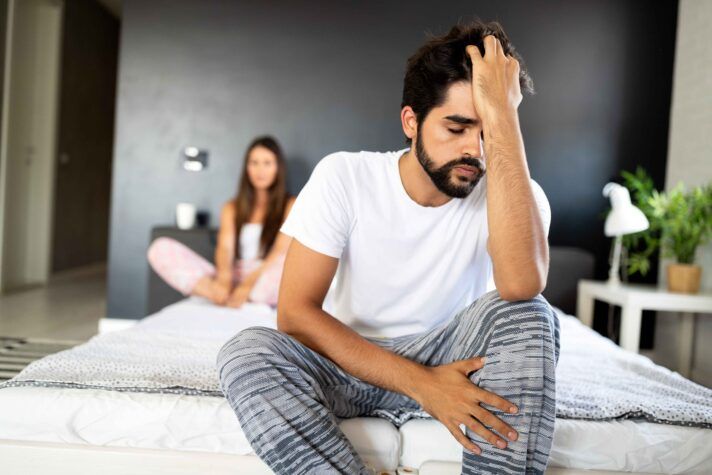
- No Sexual Pleasure: Some people with anorgasmia don't enjoy sex as much as they used to or it feels unsatisfying.
- Inability to Get Orgasm with a Partner: This is the case of situational anorgasmia, where a person is able to get an orgasm alone but it’s hard to get it with a partner.
- Lose Their Sexual Desire With Time: People with anorgasmia may lose their interest in sex altogether, as it makes them feel frustrated or unfulfilling.
How Anorgasmia Affects Intimate Relationships
Anorgasmia can profoundly affect both partners in a relationship. It can make them feel frustrated, inadequate, and emotionally distressed. If one partner in an intimate relationship feels embarrassed or ashamed to talk about not being able to orgasm can make the other feel frustrated too. For many couples, it can build an emotional and physical distance or even cause relationship issues like less sexual satisfaction, intimacy problems, or infidelity. Both partners need to talk and understand the issue to find the right treatment together.

How is Anorgasmia Diagnosed?
If you or your partner are having problems getting orgasms, try to consult a sex expert- it’s the first step. They will rule out any underlying medical conditions you might have. Diagnosis covers a physical exam, medical history review, and possibly some tests to find out hormone levels or nerve function. Doctors might also conduct a psychological evaluation to find out if any emotional or psychological factors could be causing this condition. Note: If your low libido continues and keeps affecting your quality of life or relationships, it's important to consult a sexual health professional. You can now consult a sexual health doctor at any one of 20 Allo Sexual Health Clinics for a full diagnosis at just Rs. 499 or through an online consultation at just Rs. 199.
Treatments and Solutions for Anorgasmia
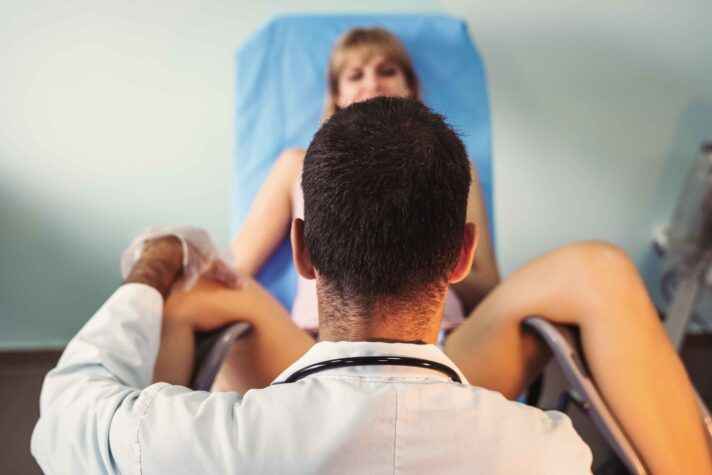
- Medical Treatments:
- Medications: Doctors may prescribe medications like hormone therapy or antidepressants to help you with your sexual function. There are also medications to improve blood flow to the genital area, which may help with orgasm.
- Physical Therapy: For those who have some nerve damage or pelvic issues, physical therapy can be quite helpful.
- Psychological and Counseling Support:
- Sex Therapy: A trained sex therapist can help you with emotional, psychological, and relationship issues that might be causing your anorgasmia. Therapy also helps people to work through their trauma or past sexual abuse.
- Cognitive Behavioral Therapy (CBT): CBT is helpful for those who have anxiety or depression which is the reason for their sexual dysfunction.
- Lifestyle Changes:
- Manage Your Stress: Try to practice some relaxation techniques like yoga or meditation, which can help reduce anxiety and stress (it might be blocking your orgasm).
- Improving Relationship Communication: Talk it out with your partner about all your sexual needs and desires. This will keep your partner up to date about your problem and they might help you with your treatments.
- Regularly Exercise: Exercise on a daily basis (improves circulation, hormone levels, and overall well-being) as it can help with your sexual function.
- Self-Care:
- Explore Your Body: Masturbation or exploring your body on your own can help you find what feels good and what stimulates orgasm. This can be quite helpful if you have situational anorgasmia.
- Use Lubricants: If vaginal dryness is a problem for you, start using a lubricant to get better pleasure and make sexual activity more comfortable.
A 2023 study explored all the treatments for orgasmic dysfunction in premenopausal women and found that psychological therapies, particularly those involving trauma-focused therapy showed promising results. Over the years, Allo Health has helped more than 75,000 patients with sexual health concerns. Our personalised treatment plan gives a high success rate in improving sexual function and treating STIs in our patients. Book an online consultation with one of Allo’s leading experts.
Key Takeaway
- Anorgasmia can be a challenging condition but with medical treatment, therapy, or lifestyle changes, this issue can be treated. Open communication, empathy, and professional guidance are key to overcoming anorgasmia and restoring intimacy in your relationships.
- A review by the International Journal of Impotence Research talked about how emerging technologies are used as therapeutic interventions for sexual dysfunction like anorgasmia. Devices like these may help people with anorgasmia by stimulating their genital area and improving sexual response.
- The complications of anorgasmia are emotional distress, constant frustration or inadequacy, and low self-esteem. It can strain relationships as partners could feel rejected.
- If you suspect you may have anorgasmia, don't hesitate to reach out to a healthcare provider. With the right support, you can find a solution that works for you.

Disclaimer
The following blog article provides general information and insights on various topics. However, it is important to note that the information presented is not intended as professional advice in any specific field or area. The content of this blog is for general educational and informational purposes only. The content should not be interpreted as endorsement, recommendation, or guarantee of any product, service, or information mentioned. Readers are solely responsible for the decisions and actions they take based on the information provided in this blog. It is essential to exercise individual judgment, critical thinking, and personal responsibility when applying or implementing any information or suggestions discussed in the blog.
Most Asked Questions
What is Anorgasmia?
Anorgasmia is when one has trouble reaching orgasm, even though they’re enough sexually aroused. It's seen in more people than you might think and in both men and women. For some people, it’s a temporary concern but for others, it can be a long-term challenge.
What causes Anorgasmia?
There are many reasons why someone might have anorgasmia. It could be due to physical issues like hormonal imbalances, medications (like antidepressants), or health conditions such as diabetes or nerve damage. Long term stress, anxiety, depression, or relationship problems can make it even worse. Some trauma or past sexual experiences can make it difficult to reach orgasm, too.
Is it possible to have a fulfilling sex life if you have anorgasmia?
Yes. While orgasms are the highlight of sex, they’re not the only way to have fulfilling sex. Work on your intimacy, emotional connection, and physical pleasure- they can be satisfying, even without orgasm. Try other sexual expressions like touching, kissing, or oral sex as it can make you and your partner feel connected and satisfied.
Can therapy really help with anorgasmia?
Yes, therapy can be quite effective, if your cause is emotional or psychological factors. Sex therapy will work on the issues related to body image, past trauma, or relationship dynamics that may be making it worse. Cognitive behavioural therapy (CBT) manages anxiety or stress that might be interfering with your ability to enjoy sex.
Can anorgasmia be fixed?
Yes. Anorgasmia can be treated but the treatment depends on their underlying cause. If it’s due to medication, switching meds or treating the physical health problem may help. If it’s something emotional or psychological, therapy (such as cognitive behavioral therapy or sex therapy) can make it better. Talk with your partner and try to figure out what feels good in the relationship.
When should I see a doctor or therapist?
If anorgasmia is ruining your relationship or causing you emotional distress, it’s a good idea to talk to a doctor or therapist. They will help you figure out whether there’s a physical cause behind the issue, and a sex therapist can give guidance on how to improve your sexual experiences.