Preconception Health
Written by Aditi Mallick

Aditi, a dynamic individual with a background in Chemistry, initially embarked on her professional journey as an Associate Content Developer at Byju's. Transitioning from an academic content reviewer to a creative force in the content creation team, she demonstrated prowess in crafting SEO-driven academic content, impactful presentations, and video reviews. Seeking new challenges, Aditi redirected her career towards professional content and copywriting, joining MyCaptain. Along this transformative path, she mastered design skills using software like Photoshop and Illustrator, creating visually striking posts for various brands and websites. Today, Aditi stands as a seasoned Medical writer, seamlessly transitioning from her roots as an academic writer. Join her on this exciting journey as she shares insights and expertise in content creation and medical writing.
•
July 30, 2026
Our experts continually monitor the health and wellness space, and we update our articles when new information becomes available.
Preconception Health: A Comprehensive Guide
- Preconception health refers to the health of individuals during their reproductive years, focusing on improving health before becoming pregnant. This concept emphasizes the importance of both partners' well-being in optimizing the chances of a healthy pregnancy and baby.
- Preparing for pregnancy involves more than just stopping contraception; it encompasses a holistic approach to health that can significantly impact the health outcomes for both mother and child.
Understanding Preconception Health
- Preconception health is a proactive approach that involves assessing and optimizing various health aspects before conception.
- It includes managing medical conditions, adopting healthy lifestyle habits, ensuring proper nutrition, and addressing any potential risks that could affect pregnancy and fetal development.
- The goal is to create a healthy environment for conception and pregnancy, ultimately leading to better outcomes for both parents and their future children.
Why Preconception Health Matters
- Reducing Risks: Proper preconception care can reduce the risk of complications during pregnancy, such as preterm birth, low birth weight, and congenital anomalies. By addressing health issues before pregnancy, couples can mitigate potential risks and improve the chances of a healthy pregnancy.
- Managing Chronic Conditions: Chronic conditions like diabetes, hypertension, and thyroid disorders can significantly impact pregnancy outcomes. Managing these conditions before conception helps ensure they are under control, reducing the risk of complications for both the mother and baby.
- Improving Fertility:
Key Components of Preconception Health
- Medical Assessment
A thorough medical assessment is crucial for identifying and addressing any health issues before conception. This includes:
- Medical History: Reviewing the medical history of both partners helps identify any chronic conditions, genetic disorders, or previous pregnancy complications that may need attention.
- Medications: Assessing current medications to ensure they are safe for pregnancy is essential. Some medications may need to be adjusted or discontinued before conception.
- Vaccinations: Ensuring vaccinations are up-to-date protects against infections that could harm the mother or baby during pregnancy.
- Nutritional Health
Nutrition plays a vital role in preconception health. Key considerations include:
- Folic Acid: Taking a daily supplement of 400-800 micrograms of folic acid before and during early pregnancy helps prevent neural tube defects in the developing fetus.
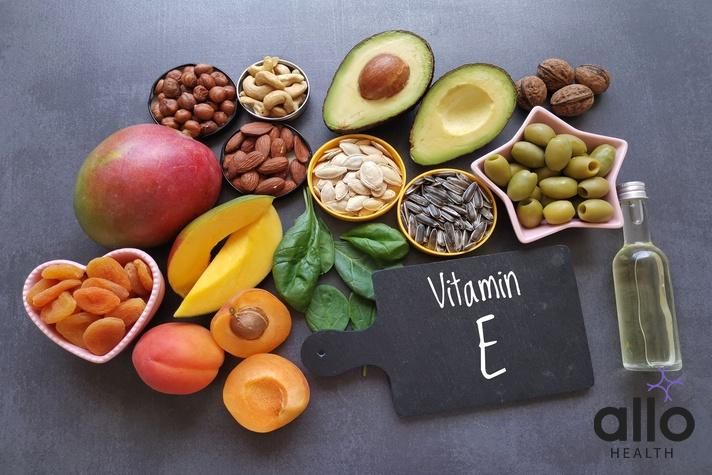
- Balanced Diet:
- Lifestyle Factors
Healthy lifestyle choices are fundamental to preconception health. Important factors include:

- Exercise: Regular physical activity promotes overall health and can improve fertility. Aim for at least 150 minutes of moderate-intensity exercise per week.
- Smoking Cessation: Quitting smoking improves fertility and reduces the risk of complications during pregnancy. It also promotes a healthier environment for the baby.
- Alcohol and Substance Use: Reducing or eliminating alcohol and avoiding recreational drug use is crucial for a healthy pregnancy. These substances can harm fetal development and increase the risk of birth defects.
- Mental Health
Mental health is an integral part of preconception care. Addressing mental health issues can improve overall well-being and pregnancy outcomes. Consider:
- Stress Management: Practicing stress-reducing techniques such as mindfulness, yoga, and meditation can enhance emotional well-being.
- Counseling: Seeking counseling or therapy for mental health conditions like depression or anxiety can provide support and improve preconception health.
- Support Systems: Building a strong support system of family, friends, and healthcare providers can offer emotional and practical support during the preconception period.
Special Considerations
- Age and Preconception Health
Age is a significant factor in preconception health, particularly for women. Fertility declines with age, and the risk of complications increases. Women over 35 may face higher risks of miscarriage, chromosomal abnormalities, and complications during pregnancy. Men’s fertility also declines with age, although less dramatically. Preconception care is especially important for older couples to optimize health and address potential risks.
- Chronic Conditions
Managing chronic conditions before conception is critical. Conditions such as diabetes, hypertension, thyroid disorders, and autoimmune diseases require careful monitoring and management. Working closely with healthcare providers to stabilize these conditions can improve pregnancy outcomes.

- Genetic Counseling
Genetic counseling can be beneficial for couples with a family history of genetic disorders or those from certain ethnic backgrounds at higher risk for specific conditions. Genetic counselors can provide information about potential risks and discuss options for genetic testing.
Creating a Preconception Health Plan
A preconception health plan involves a comprehensive approach to optimize health before pregnancy. Steps to create a plan include:
- Schedule a Preconception Checkup: Visit a healthcare provider to discuss your plans for pregnancy and undergo a thorough medical assessment.
- Review Medications: Ensure that all medications are safe for pregnancy and make any necessary adjustments.
- Adopt a Healthy Lifestyle: Focus on balanced nutrition, regular exercise, and avoiding harmful substances like tobacco and alcohol.
- Manage Chronic Conditions: Work with healthcare providers to control chronic conditions and ensure they are well-managed before conception.
- Address Mental Health: Seek support for mental health conditions and practice stress-reducing techniques.
- Take Prenatal Vitamins: Start taking prenatal vitamins, including folic acid, to support fetal development.
- Genetic Counseling: Consider genetic counseling if there are concerns about genetic risks.
Preconception health is a vital aspect of reproductive health that can significantly impact pregnancy and fetal outcomes. By optimizing health before conception, couples can reduce risks, improve fertility, and create a healthy environment for their future children. Comprehensive preconception care involves medical assessment, nutritional health, lifestyle modifications, and mental health support. Investing in preconception health is an investment in the future well-being of both parents and their children.

Disclaimer
The following blog article provides general information and insights on various topics. However, it is important to note that the information presented is not intended as professional advice in any specific field or area. The content of this blog is for general educational and informational purposes only. The content should not be interpreted as endorsement, recommendation, or guarantee of any product, service, or information mentioned. Readers are solely responsible for the decisions and actions they take based on the information provided in this blog. It is essential to exercise individual judgment, critical thinking, and personal responsibility when applying or implementing any information or suggestions discussed in the blog.
Most Asked Questions
What is preconception health and why is it important?
Preconception health refers to the health status and well-being of individuals before they conceive a child. It is crucial because a healthy preconception period increases the chances of a healthy pregnancy and baby. Proper nutrition, managing chronic conditions, and avoiding harmful substances can all contribute to better outcomes for both mother and child.
What steps can I take to improve my preconception health?
To improve preconception health, consider the following steps: Maintain a balanced diet rich in essential nutrients. Take a daily prenatal vitamin with folic acid. Manage chronic health conditions, such as diabetes or hypertension, under the guidance of a healthcare provider. Avoid smoking, alcohol, and illicit drugs. Achieve and maintain a healthy weight. Ensure vaccinations are up to date. Manage stress through relaxation techniques and adequate sleep.
How long before trying to conceive should I start focusing on preconception health?
It's recommended to start focusing on preconception health at least three months before trying to conceive. This timeframe allows for necessary lifestyle adjustments and medical interventions to take effect, helping to optimize health for conception and pregnancy.
Can men contribute to preconception health?
Yes, men's preconception health is also important. Men should adopt a healthy lifestyle, including a balanced diet, regular exercise, and avoiding harmful substances. Managing stress and chronic health conditions, ensuring up-to-date vaccinations, and avoiding exposure to toxins can also contribute to healthier sperm and better pregnancy outcomes.
Should I consult a healthcare provider about preconception health?
Consulting a healthcare provider is highly recommended for preconception health. They can provide personalized advice, conduct necessary screenings, and address any health concerns. A healthcare provider can also offer guidance on medications, supplements, and lifestyle changes to ensure the best possible preparation for a healthy pregnancy.