Overview of Gynecological Health
Written by Aditi Mallick

Aditi, a dynamic individual with a background in Chemistry, initially embarked on her professional journey as an Associate Content Developer at Byju's. Transitioning from an academic content reviewer to a creative force in the content creation team, she demonstrated prowess in crafting SEO-driven academic content, impactful presentations, and video reviews. Seeking new challenges, Aditi redirected her career towards professional content and copywriting, joining MyCaptain. Along this transformative path, she mastered design skills using software like Photoshop and Illustrator, creating visually striking posts for various brands and websites. Today, Aditi stands as a seasoned Medical writer, seamlessly transitioning from her roots as an academic writer. Join her on this exciting journey as she shares insights and expertise in content creation and medical writing.
•
July 30, 2026
Our experts continually monitor the health and wellness space, and we update our articles when new information becomes available.

Overview of Gynecological Health
Gynecological health is an essential aspect of overall well-being for individuals with female reproductive systems. It encompasses a range of conditions, preventive care, and treatments related to the reproductive organs, including the uterus, ovaries, fallopian tubes, cervix, and vagina. Understanding gynecological health is crucial for maintaining a high quality of life and preventing potential health issues. This article provides an overview of key aspects of gynecological health, common conditions, preventive measures, and when to seek medical advice.
Anatomy of the Female Reproductive System
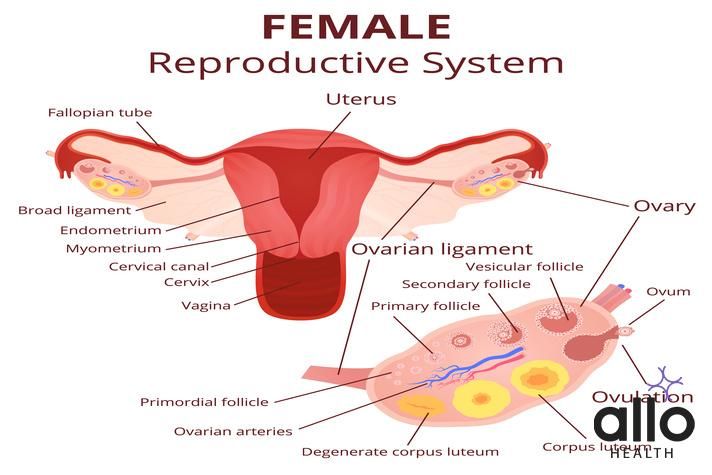
- Uterus: A hollow, pear-shaped organ where a fertilized egg implants and grows during pregnancy.
- Ovaries: Small, almond-shaped organs that produce eggs (ova) and hormones like estrogen and progesterone.
- Fallopian Tubes: Tubes that carry eggs from the ovaries to the uterus. Fertilization of the egg by sperm typically occurs here.
- Cervix: The lower part of the uterus that opens into the vagina. It plays a crucial role during childbirth and menstruation.
- Vagina: A muscular canal that connects the cervix to the outside of the body. It serves as the birth canal and the passageway for menstrual flow.
Common Gynecological Conditions
Several gynecological conditions can affect individuals, ranging from infections to cancers. Some of the most common conditions include:

- Menstrual Disorders: These include dysmenorrhea (painful periods), amenorrhea (absence of periods), and menorrhagia (heavy menstrual bleeding). Hormonal imbalances, uterine fibroids, and polycystic ovary syndrome (PCOS) are common causes.
- Infections: Gynecological infections such as bacterial vaginosis, yeast infections, and sexually transmitted infections (STIs) like chlamydia and gonorrhea can cause significant discomfort and complications if left untreated.
- Endometriosis: This condition occurs when tissue similar to the lining of the uterus grows outside the uterus, causing pain and potentially affecting fertility.
- Uterine Fibroids: These non-cancerous growths in the uterus can lead to heavy menstrual bleeding, pelvic pain, and reproductive issues.
- Ovarian Cysts: Fluid-filled sacs on the ovaries that can cause pain and, in some cases, complications if they rupture or twist.
- Pelvic Inflammatory Disease (PID): An infection of the reproductive organs that can result in chronic pain and infertility if not treated promptly.
- Gynecologic Cancers: These include cervical, ovarian, uterine, vaginal, and vulvar cancers. Early detection through regular screenings is critical for effective treatment.
Preventive Measures
Preventive care is a cornerstone of gynecological health. Regular check-ups and screenings can help detect issues early and maintain reproductive health. Key preventive measures include:
- Routine Gynecological Exams: Annual visits to a gynecologist are essential for early detection of potential problems. These exams often include pelvic exams, Pap smears, and breast exams.
- Vaccinations: Vaccines like the Human Papillomavirus (HPV) vaccine can prevent infections that cause cervical and other gynecologic cancers.
- Safe Sexual Practices:

Importance of Regular Screenings
Regular screenings are vital for early detection and treatment of gynecological issues. Some essential screenings include:
- Pap Smear: A test that involves collecting cells from the cervix to detect cervical cancer or precancerous conditions. It is typically recommended every three years for women aged 21 to 65.
- HPV Testing: Often done in conjunction with a Pap smear, HPV testing checks for the presence of high-risk HPV strains that can cause cervical cancer.
- Mammograms: An X-ray of the breast used to detect breast cancer. Women aged 40 and older are generally recommended to have a mammogram every one to two years.
- Bone Density Tests: These tests help detect osteoporosis, a condition that weakens bones and is more common in postmenopausal women.
When to Seek Medical Advice

It is important to seek medical advice if you experience any unusual symptoms or changes in your reproductive health. Some signs that warrant a visit to the gynecologist include:
- Abnormal Bleeding: Any bleeding between periods, after sex, or after menopause should be evaluated.
- Pelvic Pain: Persistent or severe pelvic pain could indicate a gynecological condition that needs treatment.
- Changes in Menstrual Cycle: Significant changes in the length, flow, or regularity of your menstrual cycle should be discussed with a healthcare provider.
- Unusual Discharge: Changes in color, consistency, or odor of vaginal discharge could indicate an infection.
- Painful Intercourse: Experiencing pain during sex can be a sign of various gynecological issues and should be addressed.
- Lumps or Growths: Any unusual lumps, growths, or sores in the genital area should be checked by a healthcare provider.
Gynecological health is a vital component of overall well-being for individuals with female reproductive systems. Understanding the anatomy, recognizing common conditions, and adhering to preventive measures can help maintain reproductive health and prevent serious issues. Regular screenings and prompt medical attention for any unusual symptoms are essential for early detection and effective treatment of gynecological conditions. Prioritizing gynecological health not only enhances quality of life but also ensures long-term health and wellness.


Disclaimer
The following blog article provides general information and insights on various topics. However, it is important to note that the information presented is not intended as professional advice in any specific field or area. The content of this blog is for general educational and informational purposes only. The content should not be interpreted as endorsement, recommendation, or guarantee of any product, service, or information mentioned. Readers are solely responsible for the decisions and actions they take based on the information provided in this blog. It is essential to exercise individual judgment, critical thinking, and personal responsibility when applying or implementing any information or suggestions discussed in the blog.
Most Asked Questions
What is gynecological health?
Gynecological health refers to the well-being of the female reproductive system, which includes the uterus, ovaries, fallopian tubes, and vagina. It encompasses a range of issues from menstrual cycles and fertility to sexual health and menopause. Regular gynecological check-ups are essential for early detection and treatment of potential health problems.
How often should I see a gynecologist?
It is generally recommended to see a gynecologist annually for a routine check-up. However, the frequency may vary based on individual health needs, age, and risk factors. Women should also see their gynecologist if they experience symptoms such as unusual discharge, pain, irregular periods, or any other concerns related to their reproductive health.
What are common gynecological conditions?
Common gynecological conditions include menstrual disorders (like heavy or irregular periods), endometriosis, polycystic ovary syndrome (PCOS), fibroids, sexually transmitted infections (STIs), and pelvic inflammatory disease (PID). Early diagnosis and treatment are crucial for managing these conditions effectively.
What is a Pap smear and why is it important?
A Pap smear is a screening test used to detect precancerous or cancerous cells in the cervix. It is a crucial part of a woman’s routine gynecological exam. Early detection of abnormal cells can lead to timely treatment, preventing the development of cervical cancer. Women should start getting Pap smears at the age of 21 and continue as recommended by their healthcare provider.
How can I maintain good gynecological health?
Maintaining good gynecological health involves regular check-ups, practicing safe sex, maintaining a balanced diet, and staying physically active. It is also important to manage stress and avoid smoking. Paying attention to your body and seeking medical advice when any unusual symptoms arise can help ensure long-term reproductive health.