Energine Benefit-Risk: Benefits, Side Effects, and Safety Guide
Written by Dr. Deepali Anand

Dr. Deepali is a medical writer and healthcare professional with a background in clinical surgery and patient care. Having transitioned from active clinical practice to medical communications, she specializes in bridging the gap between complex clinical data and patient education. Dr. Deepali is dedicated to creating evidence-based content that is grounded in scientific rigor and empathy, ensuring that sensitive topics like sexual wellness and mental health are accessible and empowering for every reader.
•
February 27, 2026
Our experts continually monitor the health and wellness space, and we update our articles when new information becomes available.
Quick Read
Energine offers supportive benefits through L-Arginine, Zinc, and Vitamin D3, mainly aimed at improving circulation and correcting mild nutritional gaps. Most people tolerate it well, with mild digestive discomfort being the most common side effect. Serious risks are rare but possible in individuals with heart, kidney, or chronic health conditions. It works gradually and should not replace a proper medical evaluation. For best results and safety, it should be used under medical guidance as part of a broader health plan.
When people search for Energine benefit-risk, they usually want clarity about safety. It is natural to ask what benefits to expect and whether there are any side effects before starting a supplement.
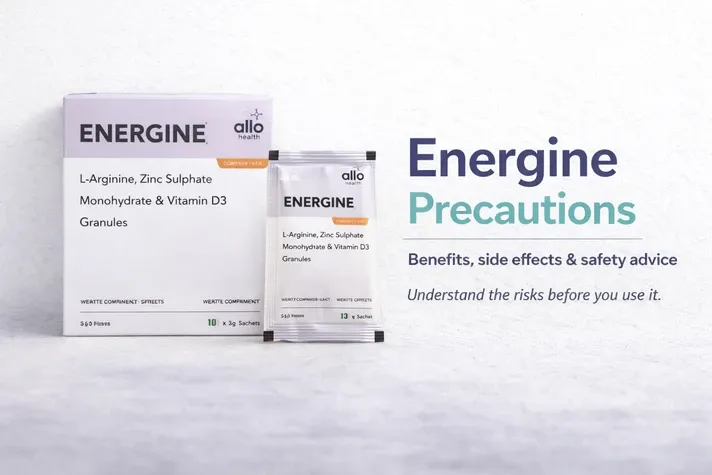
Energine Sachets contain L-Arginine 500 mg, Zinc Sulphate 10 mg, and Vitamin D3 200 IU. While these are nutritional ingredients, they still act on the body. Understanding both the benefits and the risks helps set realistic expectations and ensures safe use.
This article explains the expected benefits, possible side effects, rare risks, and when medical advice is necessary.
Expected Benefits of Energine
Energine is designed as supportive supplementation. It is not a prescription medicine and should not be treated as a quick solution for complex medical conditions.
1. Support for Healthy Blood Flow
L-Arginine plays a role in nitric oxide production, which helps relax blood vessels and supports circulation[1]. Healthy blood flow is one component of sexual function. In individuals with mild nutritional gaps, this may offer supportive benefits over time.

2. Nutritional Support
Zinc and Vitamin D3 are essential nutrients. Zinc supports immune and reproductive health, while Vitamin D3 supports bone health, immune function, and hormonal balance[2]. If a person has low intake or borderline deficiency, supplementation may help restore balance.
3. Gradual Improvement in Vitality
When nutritional gaps are corrected, some individuals may notice better overall well-being and stamina[3]. But, improvements are gradual and vary from person to person.
It is important to understand that results depend on overall health, lifestyle, sleep, stress levels, and whether there was an actual deficiency to begin with.
Common Side Effects of Energine
Energine is generally well-tolerated when taken as advised. However, mild side effects can occur, especially in sensitive individuals.

Possible common side effects include:
- Mild stomach discomfort
- Nausea
- Bloating
- Loose stools
- Headache
These effects are usually temporary and may improve when the supplement is taken after food. If symptoms persist, stopping the supplement and consulting a doctor is advisable.
Rare but Serious Risks of Energine
Serious complications are uncommon but should be acknowledged.
1. Allergic Reactions
Though rare, allergic reactions can occur. Warning signs include:
- Rash
- Swelling of the face or lips
- Difficulty breathing
These symptoms require immediate medical attention.
2. Underlying Cardiovascular Conditions
L-Arginine influences blood vessel relaxation. People with unstable heart conditions, recent cardiac events, or significantly low blood pressure should consult a physician before using it.
3. Excess Nutrient Intake
If someone is already taking multiple supplements containing zinc or Vitamin D, there is a risk of unintended excessive intake. Long-term over-supplementation can create its own health problems.
Safety Red Flags While Using Energine
Medical advice should be sought if:
- Sexual dysfunction appears suddenly or worsens rapidly
- There is chest pain during activity
- Severe dizziness or fainting occurs
- Symptoms do not improve despite consistent use
- There are existing chronic conditions such as diabetes, hypertension, kidney disease, or liver disease
Supplements should never delay proper diagnosis or treatment of underlying medical conditions.
Who Should Be Cautious with Energine
Energine should be used carefully in individuals with:
- Chronic kidney disease
- Liver disorders
- Recurrent kidney stones
- Cardiovascular disease
- Ongoing use of blood pressure medication
It is always advisable to inform a doctor about all supplements being taken.
Balanced Perspective
For most healthy adults using Energine under medical guidance, the benefit-risk balance is generally favorable. Benefits are usually mild and supportive rather than dramatic. Side effects, if they occur, are typically mild and temporary. Serious risks are rare when used responsibly.
The key is appropriate use and realistic expectations. Energine works best as part of a broader health approach that includes proper sleep, nutrition, physical activity, and management of medical conditions.
Conclusion
Energine Sachets offer supportive benefits through L-Arginine, Zinc, and Vitamin D3. Most individuals tolerate it well, with mild digestive symptoms being the most common side effects. Serious risks are uncommon but possible in people with certain medical conditions.
Using Energine under medical advice and not ignoring persistent symptoms ensures safer and more effective use.

Disclaimer
The following blog article provides general information and insights on various topics. However, it is important to note that the information presented is not intended as professional advice in any specific field or area. The content of this blog is for general educational and informational purposes only. The content should not be interpreted as endorsement, recommendation, or guarantee of any product, service, or information mentioned. Readers are solely responsible for the decisions and actions they take based on the information provided in this blog. It is essential to exercise individual judgment, critical thinking, and personal responsibility when applying or implementing any information or suggestions discussed in the blog.
Most Asked Questions
Is Energine safe to take daily?
Energine is generally safe when taken as advised by a doctor. It contains nutritional ingredients in moderate doses. However, it should not be used excessively or combined with multiple similar supplements without medical guidance.
What are the most common side effects of Energine?
The most common side effects are mild digestive issues such as nausea, bloating, stomach discomfort, or loose stools. These are usually temporary and may improve when taken after food.
Can Energine cause serious problems?
Serious problems are rare. However, people with heart disease, kidney disease, or very low blood pressure should consult a doctor before taking it. Allergic reactions are uncommon but require immediate medical attention if they occur.
How do I know if I should stop taking Energine?
You should stop and consult a doctor if you experience persistent stomach issues, severe dizziness, rash, swelling, breathing difficulty, or worsening health symptoms. Supplements should not replace proper medical evaluation.
Does Energine work for everyone?
No supplement works the same way for everyone. Energine provides supportive nutritional benefits, and results depend on overall health, lifestyle, and whether there was an underlying deficiency. It is not a guaranteed treatment for erectile dysfunction.
Sources
- 1.
L-Arginine and Nitric Oxide in Vascular Regulation—Experimental Findings in the Context of Blood Donation
- 2.
Vitamin D and Bone Health; Potential Mechanisms
- 3.
The Role of Nutrition and Nutritional Supplements in the Prevention and Treatment of Malnutrition in Chronic Obstructive Pulmonary Disease: Current Approaches in Nutrition Therapy
Why Should You Trust Us?
Why Should You Trust Us?
This article was written by Dr. Deepali Anand, who has more than 1 years of experience in the healthcare industry.
Allo has the expertise of over 50+ doctors who have treated more than 1.5 lakh patients both online and offline across 30+ clinics.
Our mission is to provide reliable, accurate, and practical health information to help you make informed decisions.
For This Article
- We reviewed multiple top-ranking articles and pharmacy listings related to Energine and similar L-Arginine supplements to ensure this benefit-risk guide is complete, balanced, and up to date.
- We analyzed published clinical research on L-Arginine, Zinc, and Vitamin D3, especially studies examining circulation support, nutritional deficiencies, and safety profiles.
- We cross-checked dosage ranges and safety data against established medical references and supplement safety guidelines to present medically responsible information.
- We studied common patient concerns across search trends, online health communities, and discussion forums to understand real fears around side effects and safety.
- We structured this article to clearly separate expected benefits, common side effects, and rare risks, avoiding exaggerated claims and maintaining medical transparency.
- We intentionally included safety red flags and situations that require proper medical evaluation, because responsible health content should prioritize patient safety over marketing.
- This content is written in a clinically grounded yet approachable tone to help readers make informed decisions, not impulsive ones.